Understanding International Commercial Terms (Incoterms) When Importing from China
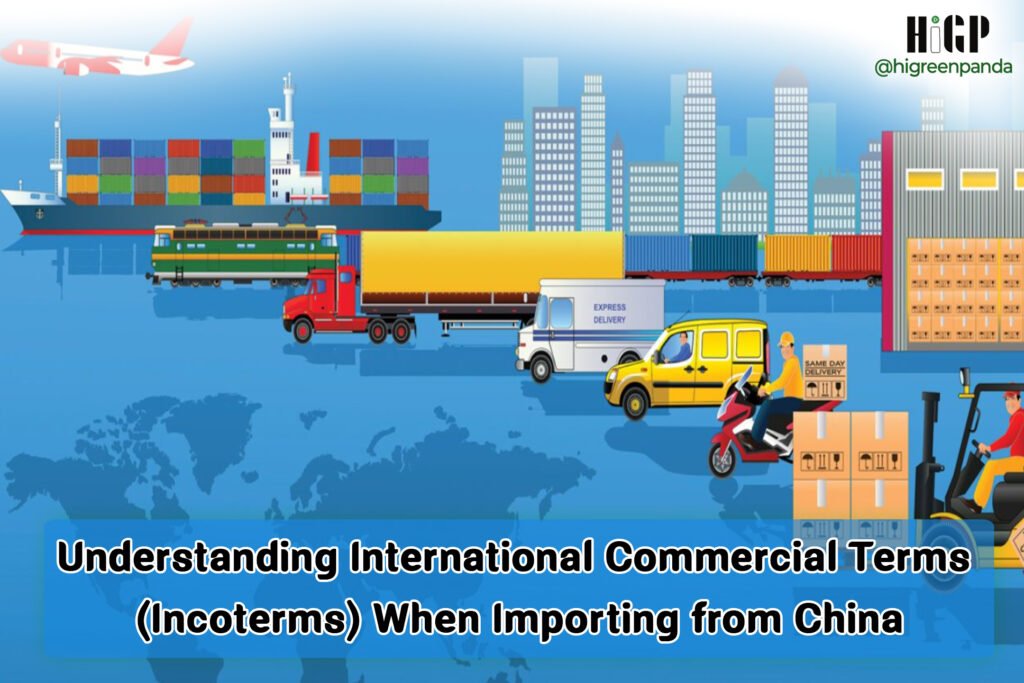
When importing from China, understanding International Commercial Terms (Incoterms) is crucial to ensure smooth commercial operations and avoid potential disputes. These terms define the responsibilities of the seller and buyer regarding shipping costs, insurance, risks, and customs clearance. Choosing the appropriate Incoterm can significantly impact the total cost and the degree of control over the supply chain. What are Incoterms?Incoterms (International Commercial Terms) are a set of internationally recognized rules issued by the International Chamber of Commerce (ICC). These rules are used to interpret the most common commercial terms in international sales contracts. Incoterms primarily define:Who pays for each part of the shipment: (e.g., transportation, insurance, customs duties).When the responsibility for risks transfers: from seller to buyer.Where goods are delivered: the point of delivery.Incoterms are regularly reviewed and updated, with the latest version being Incoterms 2020, although previous versions (such as Incoterms 2010) are still used in some contracts. Key Incoterms When Importing from ChinaThere are 11 Incoterms in the 2020 edition, but some are more common when importing from China: EXW (Ex Works)Responsibility: Minimum responsibility for the seller. The seller makes the goods available at their factory or warehouse.Risks and Costs: All risks and costs transfer to the buyer once the goods are made available at the seller’s premises. This means the buyer is responsible for loading the goods, inland transport in China, export customs clearance, international shipping, import customs clearance, and inland transport in the destination country.Advantages and Disadvantages: Provides the buyer with maximum control and the lowest purchase cost for the product itself, but requires significant expertise in managing shipping and logistics in China. FOB (Free On Board)Responsibility: The seller is responsible for delivering the goods on board the vessel nominated by the buyer at the agreed port of shipment.Risks and Costs: Risks and costs transfer from the seller to the buyer once the goods are loaded on board the vessel. The seller is responsible for export customs clearance and transport to the port and loading. The buyer is responsible for international shipping, insurance, import customs clearance, and inland transport in the destination country.Advantages and Disadvantages: FOB is a popular choice for sea freight, offering a good balance of responsibilities for both seller and buyer. It gives the buyer more control over choosing the international shipping company. CIF (Cost, Insurance and Freight)Responsibility: The seller is responsible for the cost of the goods, freight to the port of destination, and marine insurance.Risks and Costs: Risks transfer from the seller to the buyer once the goods are loaded on board the vessel at the port of shipment (same point as FOB). However, the seller pays the costs of freight and insurance to the port of destination. The buyer is responsible for unloading the goods, import customs clearance, and inland transport in the destination country.Advantages and Disadvantages: CIF is preferred for buyers who want the seller to arrange shipping and insurance. However, it should be noted that risks transfer early, and the insurance provided by the seller may not be sufficient. DDP (Delivered Duty Paid)Responsibility: Maximum responsibility for the seller. The seller delivers the goods to the buyer’s premises in the destination country, paying all costs and duties, including import duties and taxes.Risks and Costs: Risks and costs transfer to the buyer only when the goods are ready for unloading at the buyer’s premises.Advantages and Disadvantages: DDP is the most convenient option for the buyer, as they bear almost no responsibility until the goods arrive. However, the total cost may be higher, and the seller may not always have the best prices for shipping and customs clearance services in the destination country. Tips for Choosing the Right IncotermAssess your experience: If you are a new importer or lack experience in international logistics, DDP might be a good option to mitigate risks.Cost control: If you want full control over shipping and insurance costs, EXW or FOB might be better.Type of goods: Some goods require special care or additional insurance, which may affect the choice of Incoterm.Relationship with supplier: Reliable suppliers may be more flexible with Incoterms.Consult an expert: Consult a logistics expert or a shipping company to help you choose the most suitable Incoterm for your circumstances. HIGREENPANDA provides its clients with full support in understanding and applying International Commercial Terms (Incoterms) when importing from China:Consultations: The company offers specialized consultations to help clients choose the most suitable Incoterm for their needs, considering the type of goods, budget, and experience level.Clarification: HIGREENPANDA clarifies the responsibilities and costs associated with each Incoterm, ensuring a clear understanding for clients.Coordination: Assists in coordinating with suppliers and shipping companies to ensure the agreed Incoterm is correctly applied.Dispute Resolution: In case of any disputes related to Incoterms, HIGREENPANDA provides support to help resolve them. Through its expertise in international trade, HIGREENPANDA ensures that its clients are equipped with the necessary knowledge to make informed decisions regarding Incoterms, contributing to smooth and cost-effective import operations.