
Short Story: From Copy Workshop to Innovative Brand
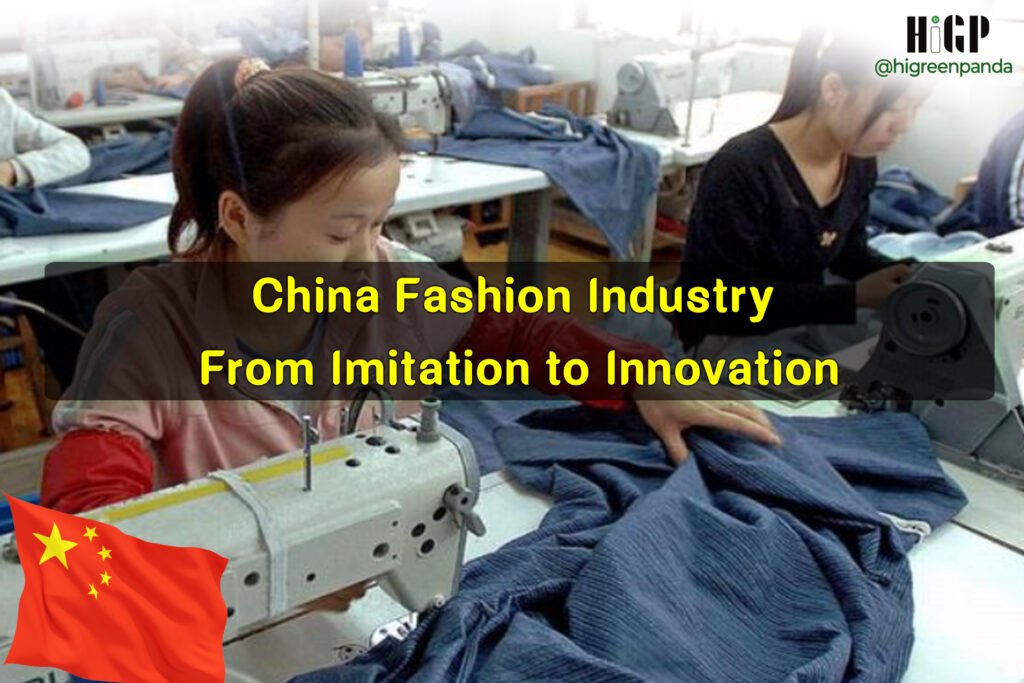
The company started by sewing patterns similar to global brands. Price pressure made margins erode. The team decided to test a small line with original design, using live streaming to tell the story of local materials and town craftsmen. They connected with their audience in weekly interactive sessions, collecting feedback on sizes, quality, and packaging. Within one season, engagement doubled, demand shifted to the new line, and a local platform agreed to collaborate for a limited release. Identity became the talk of the town, and the question became: How do we maintain speed without losing quality? Five Actionable Lessons1) Identity First: Local story and consistent imagery build real preference. Show fabric sources, introduce design team, and make measurable quality promises.2) Speed and Pace: Shorter development cycles with weekly demand readings. Adopt flexible production with small batches and test shapes before scaling.3) Transparency: Material tracking and environmental responsibility build trust. Document supplier certifications and recyclable packaging options.4) Smart Channels: Blend live streaming with official store and augmented reality experience. Set regular streaming schedule and collaborate with fashion-specialized content creators.5) Inventory Management: Data-based forecasts and quick pullout of slow sellers. Monitor weekly sales rates and apply immediate adjustments in colors and sizes. Quick Executive Tips
China’s Pharmaceutical Industry – Rapid Growth and Global Standards

Over the past decade, China has implemented a series of regulatory reforms that have reshaped the pharmaceutical landscape. These reforms have transformed China’s pharmaceutical ecosystem, enhanced R&D efficiency through streamlined development cycles, and increased capital flows to biopharmaceutical innovation and growing penetration of globally developed treatments. Growth in Drug Innovation in China:In 2024, 93 innovative drugs were approved for the first time in China, the highest number in a decade. Of these, 42% were developed locally. Over the past decade, China’s share of globally first-approved innovative drugs has steadily increased, surpassing Japan and Europe in 2021 to become the second-largest region for first approvals. Investment and Industry Growth:Over the past decade, China’s biopharmaceutical sector has attracted more than 418.4 billion Chinese yuan in primary market financing. Investment peaked in 2021 with 103.4 billion Chinese yuan raised across 811 financing events, with the majority directed toward small molecule drugs (34%), cell therapies (21%), and therapeutic vaccines (12%). Globalization of Chinese Companies:Responding to intense local competition and constrained financing since 2021, Chinese pharmaceutical companies have accelerated globalization strategies to maintain growth. Between 2015 and 2024, the number of outbound licensing deals increased significantly, with 94 deals completed in 2024 alone, bringing the total potential value of cumulative deals to $51.9 billion USD.
China’s Medical Devices and Health Technology Industry: Strict Standards and Golden Opportunities

China’s National Medical Products Administration (NMPA) issued a new strategy on July 3, 2025, to advance high-quality medical devices, including 10 regulatory measures aimed at accelerating the development of innovative medical technologies. Key Objectives of the Strategy Supporting the development of advanced medical devices domestically and globallyThe policy prioritizes technologies with high clinical value and international leadership potential, including: Regulatory Improvements at Every Stage Innovation and ClassificationSpecific classification guidelines have been developed for medical robots, with the formation of joint expert consensus on naming conventions. Standards SystemAccelerating standards development for technologies such as: Approval and Registration Process Communication and Consultation Mechanisms Implications for Foreign and Domestic Companies For Foreign Companies: Increasing Compliance Expectations:
Role of Chinese Ports in Facilitating Global Trade
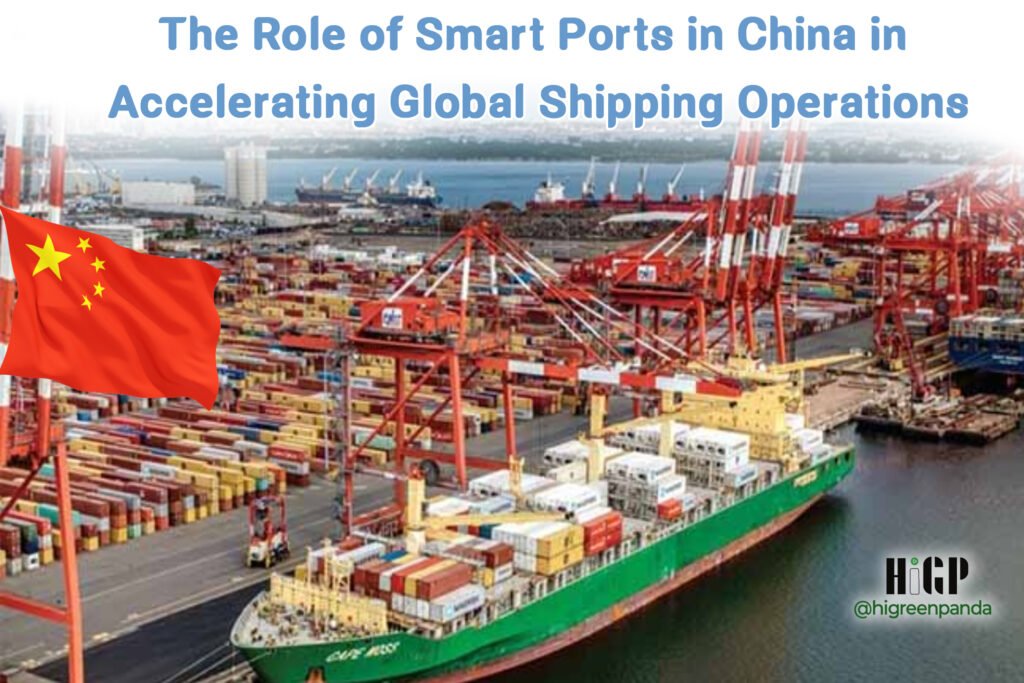
China has achieved steady progress in trade facilitation and international customs cooperation during the 14th Five-Year Plan period (2021-2025). Progress in Trade Facilitation Trade facilitation is crucial in promoting high-standard openness, improving the business environment, and protecting the multilateral trading system. The General Administration of Customs (GAC) has led annual initiatives to improve cross-border trade efficiency, introducing 108 reform measures aimed at creating a more convenient, safe, and predictable business environment. Significant Digital Achievements Data shows that China has added or expanded 40 entry ports since the beginning of the 14th Five-Year Plan period, raising the total number to 311 nationwide. Approval has also been recently granted for importing 271 types of agricultural and food products from 81 countries and regions. Global Trade Partnerships These efforts supported steady growth in foreign trade. In 2024, China’s total goods trade reached 43.8 trillion yuan ($6.16 trillion USD), maintaining its position as the world’s largest trading nation for the eighth consecutive year. China ranks among the top three trading partners for 157 countries and regions worldwide. In 2024, China’s trade with Belt and Road Initiative participating countries reached 22 trillion yuan, constituting more than 50% of total imports and exports. Expanding Customs Cooperation Facing a complex international economic and trade situation, China has opened its door wider to the world and taken multiple measures to promote international customs cooperation. China has recently built 85 customs cooperation mechanisms with Belt and Road Initiative participating countries since the beginning of the 14th Five-Year Plan period, raising the total number to 138. Customs inspection and quarantine platforms have been established with African countries and Central and Eastern European countries, helping facilitate the entry of high-quality products like African citrus fruits, coffee beans, and wild aquatic products, as well as honey, wine, and cosmetic products from Central and Eastern European countries into the Chinese market. Strengthening Intellectual Property Rights Protection Chinese customs authorities have intensified their efforts to protect intellectual property rights and maintained a high-pressure stance against IPR infringement during the 14th Five-Year Plan period. Customs authorities have adopted a series of targeted operations to suppress IPR infringement, resulting in the seizure of nearly 400 million pieces of suspected infringing goods during the period.
The Role of Smart Ports in China in Accelerating Global Shipping Operations
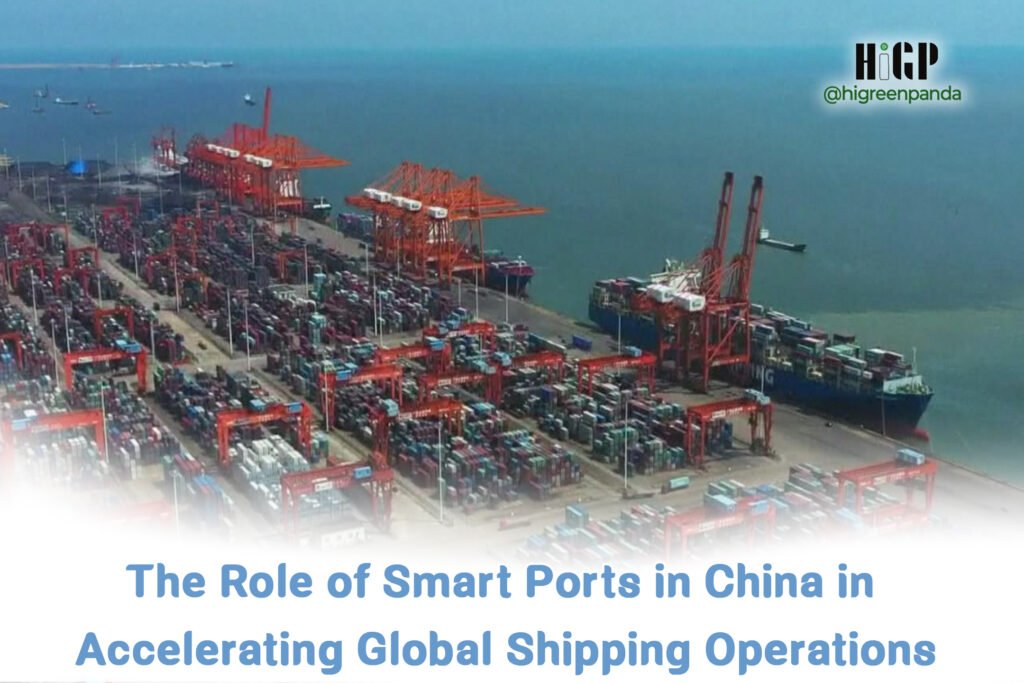
In 2024, Chinese ports achieved a historic milestone by processing 17.6 billion tons of cargo and 330 million twenty-foot equivalent units (TEU) of containers. These figures solidified China’s position as the world’s leading port nation, ranking first globally in both total cargo handling and container operations. Transition to Advanced Automation China now hosts the world’s largest concentration of fully automated and unmanned container terminals. Ningbo-Zhoushan Port, one of the world’s busiest ports, serves as a prime example of digitalization advancement. Its systems have evolved beyond basic networks to achieve full integration, combining environmental sensing technologies, advanced network systems, and 3D modeling to create a highly automated operational environment. From container cranes to terminal vehicle dispatch, automation handles most of the heavy lifting. However, not every process is fully automated, as some tasks require human supervision or collaboration with machines, ensuring operational flexibility, rapid response to unexpected situations, and enhanced efficiency. Building Connected Transportation Networks The success of Chinese ports is also linked to their integration within the broader national transportation framework. Multi-modal transportation systems have been established, including: Digital scheduling and dispatch platforms enable seamless transitions between transportation modes, significantly improving turnover rates for massive cargo volumes. Green Ports for a Sustainable Future The rapid expansion of Chinese ports has not come at the expense of the environment. Green port initiatives are at the heart of infrastructure planning, focusing on: These measures aim to reduce carbon emissions and protect coastal ecosystems while maintaining operational growth.
Role of Virtual Trade Fairs in Promoting Trade with China
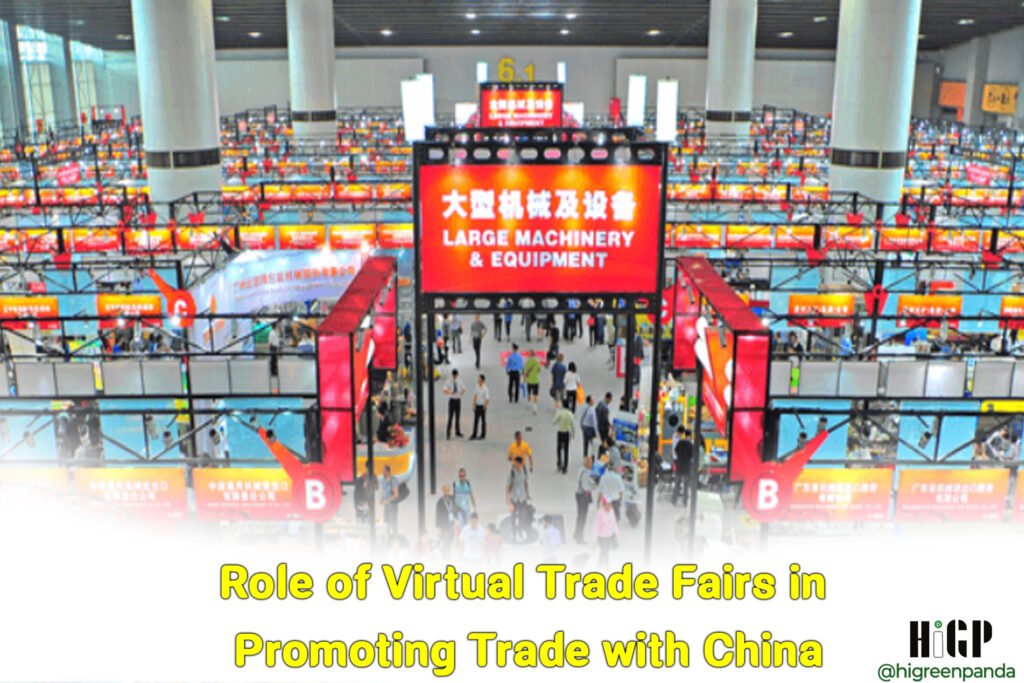
China is home to some of the world’s largest trade fairs, attracting millions of buyers, suppliers, and industry professionals. These events provide excellent opportunities for product sourcing, networking, and gaining industry insights. Top 5 Trade Fairs in China for 2025: Benefits of Attending Chinese Trade Fairs: Evolution Toward Virtual Fairs: With technological advancement and the impact of COVID-19, the trade fair sector has witnessed a major shift toward virtual and hybrid platforms:
The Role of Logistics and Supply Chain Management in Chinese Global Trade
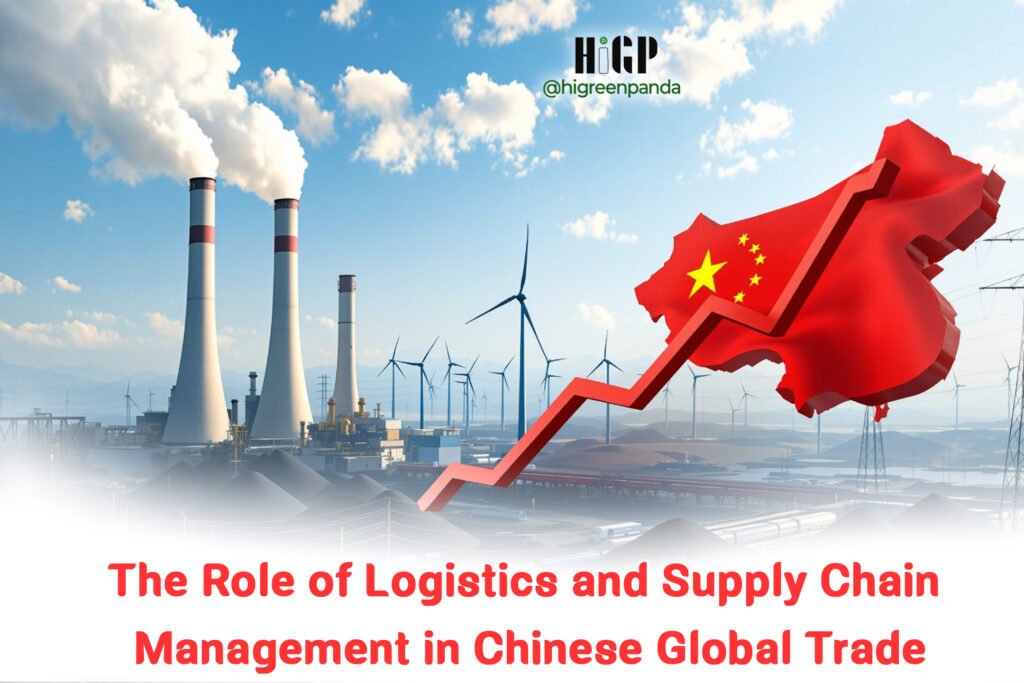
China is a global manufacturing and trade hub, and its economic success cannot be separated from the efficiency of its logistics system and advanced supply chains. Logistics forms the backbone of global trade, and China plays a pivotal role in developing and improving these operations. This article aims to explore the vital role of logistics and supply chain management in enhancing Chinese global trade. Overview of Chinese Logistics InfrastructureChina has invested heavily in developing its logistics infrastructure, making it one of the most advanced in the world. This infrastructure includes:Seaports: China is home to the world’s largest and busiest ports, such as Shanghai, Ningbo-Zhoushan, and Shenzhen, which serve as major gateways for international trade [1].Railway Network: China possesses an extensive railway network, including a high-speed freight train network connecting major Chinese cities with Europe and Asia, enhancing overland trade [2].Airports: China has modern air cargo airports that facilitate the transport of high-value and time-sensitive goods [3].Highway Network: China is covered by a vast highway network that facilitates domestic transportation of goods [4].Logistics Zones and Warehouses: Modern logistics centers and smart warehouses contribute to improving the efficiency of storage and distribution [5]. The Role of Logistics in Chinese Global Trade Supply Chain Management in ChinaSupply Chain Management (SCM) is a complex process that involves planning, implementing, and controlling the flow of goods and services from the point of origin to the point of consumption. In China, SCM focuses on:Vertical and Horizontal Integration: Chinese companies strive to integrate all stages of the supply chain, from suppliers to manufacturers and distributors [11].Flexibility and Adaptability: Companies focus on building flexible supply chains that can adapt to changes in demand and global conditions [12].Digitization and Automation: Digital technologies and automation are used to improve the efficiency of inventory tracking, order management, and optimization of shipping routes [13].Sustainability: Companies are paying increasing attention to sustainability in supply chains, by reducing their carbon footprint and improving environmental practices [14]. Challenges in Chinese Logistics and Supply ChainDespite progress, some challenges exist:Customs Complexities: Customs procedures can be complex and require a precise understanding of regulations [15].Cost Fluctuations: Shipping and logistics costs can be affected by fluctuations in fuel prices and global economic conditions [16].Delays: Delays may occur due to port congestion, weather conditions, or customs inspections [17].Language and Cultural Barrier: Effective communication with Chinese logistics partners can be a challenge [18]. HIGREENPANDA’s Role in Logistics and Supply ChainHIGREENPANDA offers its clients integrated logistics and supply chain management solutions to ensure smooth import and export operations to and from China:Shipping Planning: Assists in choosing the best shipping methods (sea, air, land) based on goods type, cost, and time.Customs Clearance: Provides support in all customs clearance procedures to ensure compliance with regulations and avoid delays.Shipment Tracking: Offers real-time shipment tracking services, enabling clients to monitor their goods from the factory to the final destination.Warehouse Management: Provides solutions for storing goods in secure and efficient warehouses in China.Cargo Insurance: Assists in arranging shipment insurance to protect goods from any risks during transit.Logistics Problem Solving: Provides support in resolving any logistics issues that may arise, such as delays or damage. Through its expertise and extensive network with shipping companies and customs, HIGREENPANDA enables its clients to manage their logistics and supply chains efficiently, reducing costs and improving delivery speed.
Role of Artificial Intelligence in Improving Chinese Manufacturing Efficiency
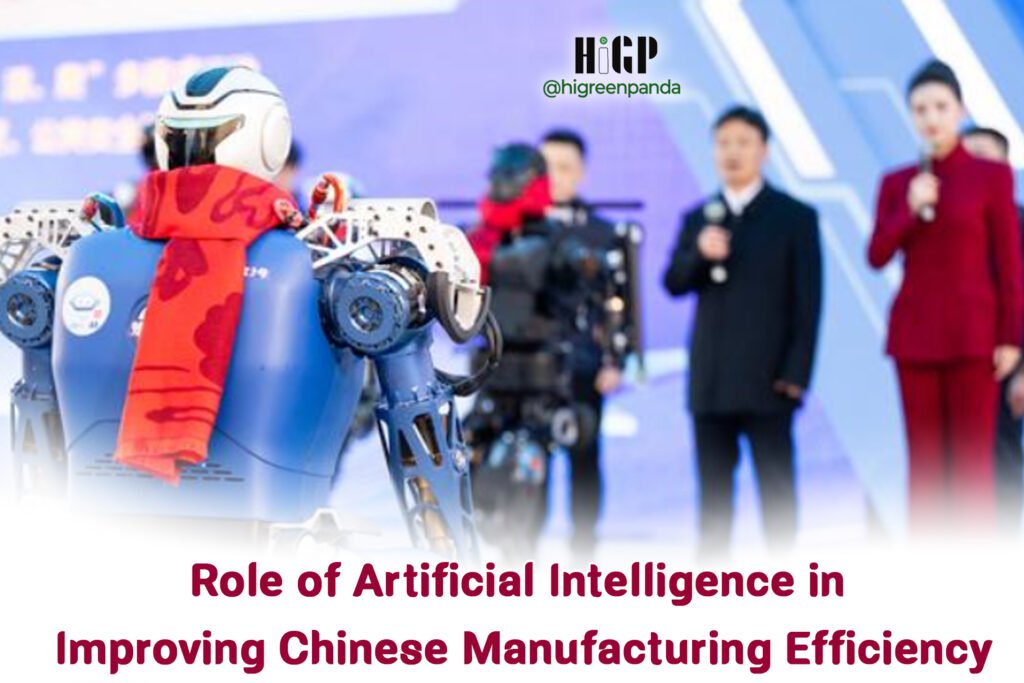
The Smart Manufacturing Revolution in China China is witnessing a real revolution in the manufacturing sector driven by advances in automation and artificial intelligence. The image of production lines crowded with workers no longer exists, replaced by smart and advanced factories. Stunning Statistics: Lenovo Success Story:At Lenovo’s factory in Hefei, engineers developed a smart algorithm to process more than 8,000 orders daily, most of them small custom orders. The results were amazing: Revolutionary Applications: Economic Numbers:China’s core AI industry reached 578.7 billion yuan (about $80 billion USD) in 2023, supported by a thriving ecosystem comprising 4,482 companies.
Business Model Canvas for Financial Technology in Chinese Trade

Customer Segments: SMB suppliers, e-commerce platforms, importers/exportersValue Proposition: Instant settlements, data-based supply chain financing, automated complianceChannels: API integration with platforms and banks, mobile apps, payment gatewaysCustomer Relationships: Real-time support, dashboards, service level agreements (SLA)Revenue: Transaction fees, subscriptions, financing discountsKey Resources: Transaction data, risk assessment models, regulatory licensesKey Activities: Payment processing, credit assessment, anti-money launderingKey Partnerships: Banks, major platforms, digital identity providersCost Structure: Cloud infrastructure, cybersecurity, compliance, customer acquisition Concise Risk Matrix Use Case Excerpt
Comprehensive Guide to Air and Land Shipping from China: Cost and Time Comparison
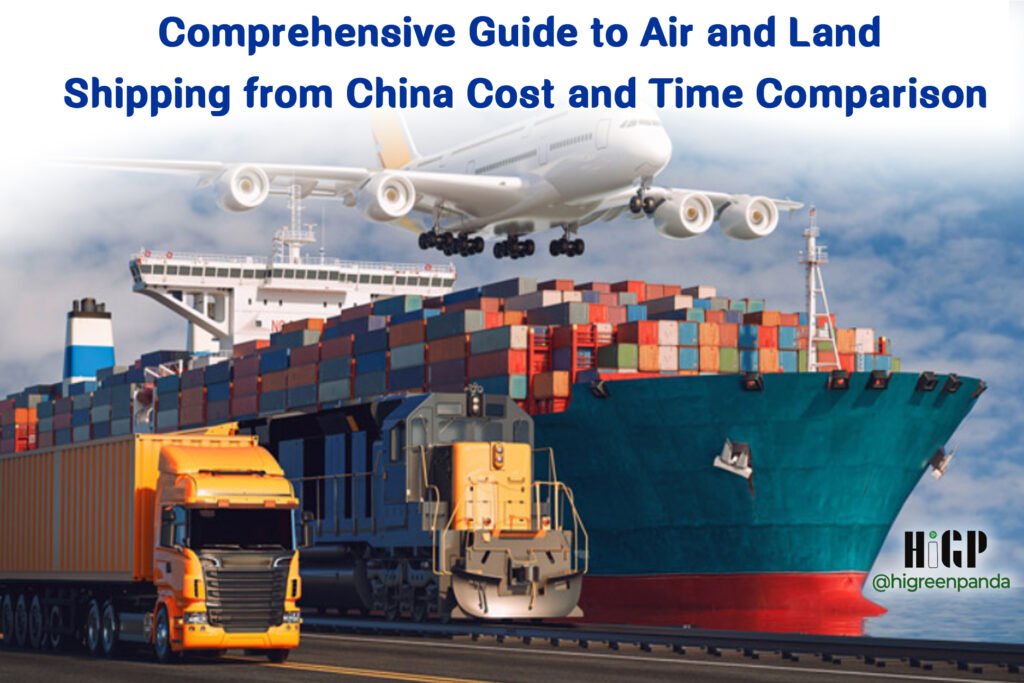
With global trade fluctuations and increasing logistics complexity, understanding shipping prices from China has become essential. Prices are not fixed – they depend on transportation method, destination, type of goods, and customs regulations. Factors Affecting Shipping Prices from China Sea Shipping: Land Shipping: Low-demand seasons: Comprehensive Comparison Between Shipping Methods Air Shipping from China Advantages: Disadvantages: Best for use with: Sea Shipping from China Advantages: Disadvantages: Best for use with: Land Shipping from China Main land shipping routes: Advantages: Comprehensive Cost and Time Comparison Table Transportation Method Cost (per ton) Delivery Time Best for Use Air Shipping $3,000-8,000 3-7 days High-value products, emergencies Sea Shipping $500-1,500 15-45 days Bulky goods, regular trade Railways $1,200-2,500 12-20 days Europe, Central Asia Trucks $800-2,000 5-15 days Neighboring countries, high flexibility Cost-Saving Strategies Customs Procedures and Documentation Essential documents required: Customs clearance tips: Modern Technologies in Shipping Risks and Insurance Main risks: Types of insurance: Tips for Beginners Future Trends Understanding shipping prices from China is vital for importers aiming to balance cost and delivery speed. Through early planning, cargo consolidation, and working with professional shipping companies, businesses can reduce costs and avoid unexpected delays.