
Investment Guide in China’s Developing Regions: Opportunities Beyond Major Cities
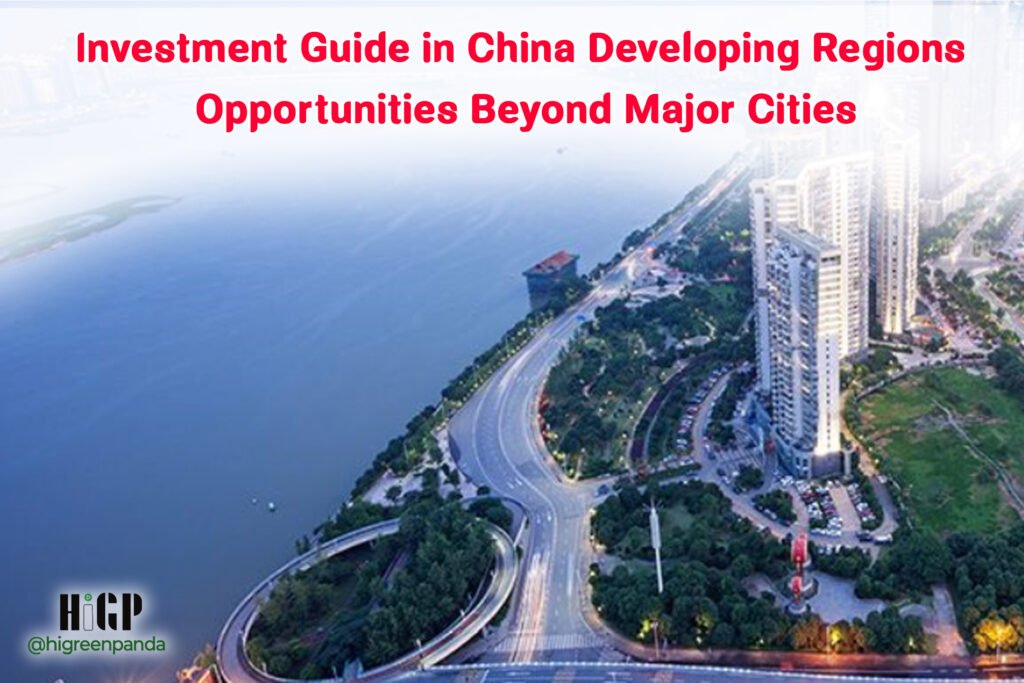
According to the latest data from the Carnegie Endowment for International Peace, China shows significant variation in investment patterns between cities of different levels, creating diverse investment opportunities beyond major urban centers. Investment Distribution Across City Tiers Data from a sample of 40 Chinese cities shows that investment intensity – known as the investment-to-GDP ratio – was notably higher in third and fourth-tier cities, averaging 58% in 2024, a figure far exceeding the national average of 40%. This indicates that massive fixed investment remains the dominant economic driver in these cities. These massive investments are considered a direct response to the ongoing real estate downturn, as local governments compensate for financial revenue losses from real estate development. Opportunities for Multinational Companies The divergent paths of China’s cities of different levels carry important implications for multinational companies:
From A to Z: Steps to Establish a Successful Factory in China
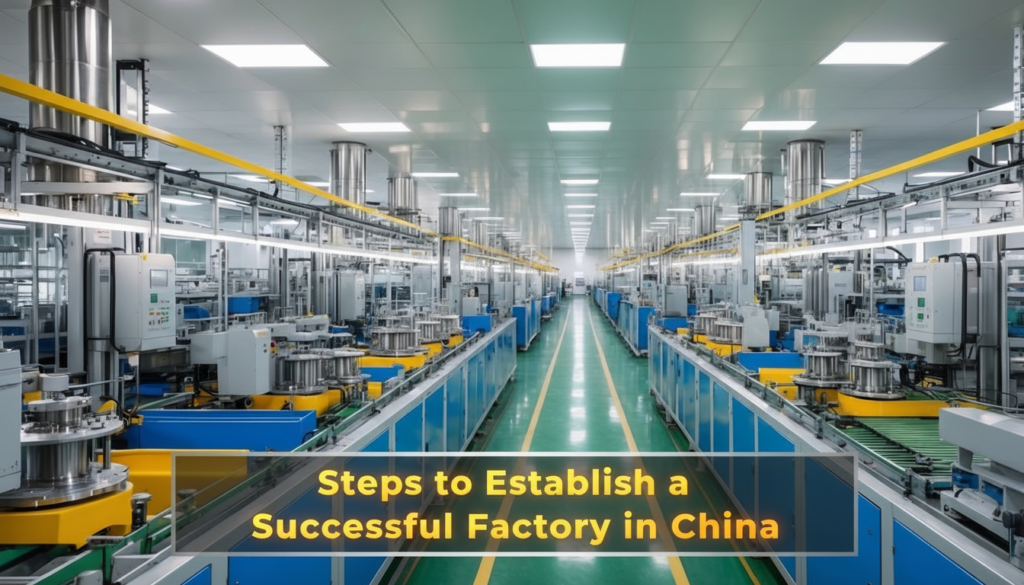
Establishing a factory in China represents a promising investment opportunity for many entrepreneurs and traders, given China’s strong industrial infrastructure, integrated supply chains, and skilled workforce. However, this process requires meticulous planning and a deep understanding of legal and administrative procedures [1]. Essential Steps to Establish a Factory in China HiGreen Panda Marketing understands the challenges foreign investors may face when establishing a factory in China. Therefore, the company offers specialized services to assist its clients at every step of this process, from initial consultations, through company and factory establishment, to finding reliable products and suppliers, and managing the import process comprehensively. Thanks to its extensive experience and network of relationships in China, HiGreen Panda ensures its clients establish successful and efficient factories, enabling them to maximize industrial opportunities in China.
Intellectual Property Protection in China: Tips for Foreign Businesses and Traders
China is an attractive market for foreign companies due to its immense size and significant growth opportunities. However, concerns regarding Intellectual Property (IP) protection are often at the forefront of companies considering entering this market. Despite historical challenges, China has made significant progress in strengthening its legal and regulatory framework for IP protection. Nevertheless, it remains essential for foreign companies to take proactive steps to safeguard their assets. Importance of Registering Trademarks and PatentsRegistering intellectual property in China is a crucial first step to protect it. China’s IP system operates on a “first-to-file” principle, meaning rights are granted to whoever registers first, regardless of who was the original owner or first user of the IP outside China [1]. Legal Procedures and Dealing with InfringementsIn case of IP infringement, China provides several enforcement mechanisms:Administrative Actions: Companies can file complaints with relevant local IP administrative departments, which can issue orders to cease infringement and confiscate counterfeit products [5].Civil Actions: Companies can file lawsuits in Chinese courts to claim compensation for damages. Chinese courts have shown improvement in handling IP cases, with an increase in compensation awards [6].Criminal Actions: In cases of serious infringement, criminal proceedings can be taken against offenders, leading to harsher penalties.Customs Actions: Companies can register their IP rights with Chinese customs to prevent the import or export of counterfeit products [7]. Additional Tips for Foreign CompaniesConduct Due Diligence: Before entering into any partnership or agreement with a Chinese company, conduct thorough research to ascertain its reputation and track record in IP matters.Draft Strong Contracts: Ensure that all contracts with partners, suppliers, and employees include clear and strict clauses regarding IP protection and confidentiality.Market Monitoring: Regularly monitor the Chinese market for any potential infringements of your intellectual property.Education and Training: Educate your employees and partners about the importance of IP protection and your company’s policies in this regard.Seek Local Expertise: Working with specialized Chinese IP lawyers and agents can provide valuable expertise and help navigate the complex legal system. HIGREENPANDA’s Role in IP ProtectionHIGREENPANDA understands the importance of IP protection for its clients and offers specialized services in this area:Trademark Registration Service: Assisting companies in registering their trademarks in China to ensure the protection of their legal rights.Legal Consultations: Guiding clients on best practices for IP protection, including patents and copyrights.Collaboration with Experts: Connecting clients with reliable Chinese IP lawyers and agents to provide necessary legal support.Enforcement Assistance: Providing initial support in case of detected infringements and guiding clients towards appropriate actions. Through these services, HIGREENPANDA is committed to helping foreign companies protect their valuable intellectual assets in the Chinese market, giving them the confidence needed to grow and thrive.
Economic Outlook: Analysis of Chinese Monetary Policy Impact on Export Prices
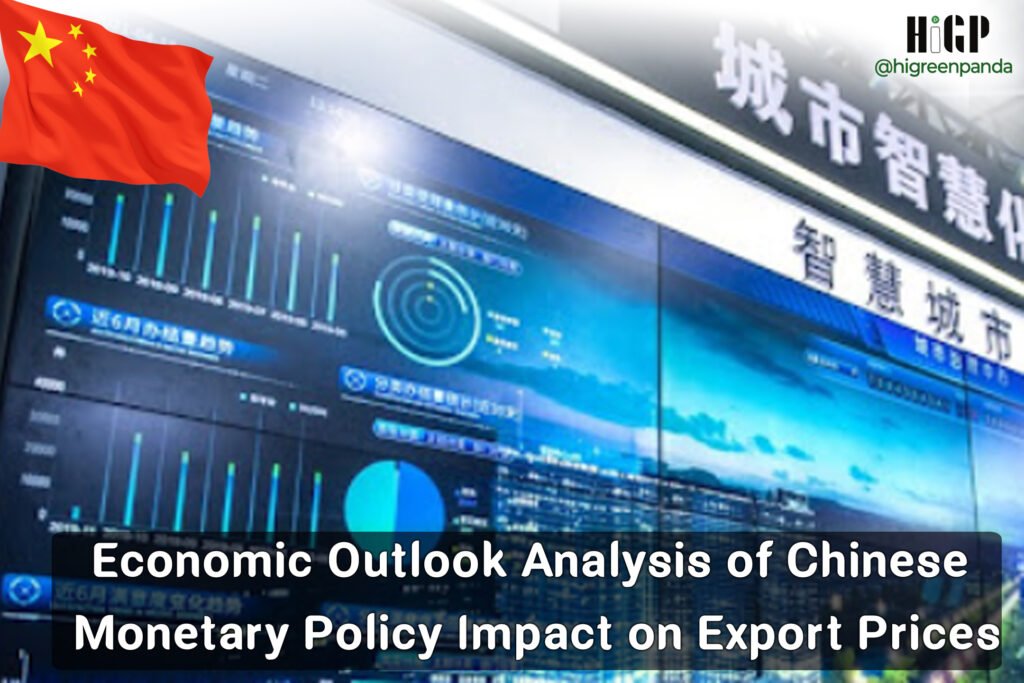
This study examines the effects of Chinese monetary policy on global commodity prices during the quarterly period from Q1 1996 to Q4 2021. Using a Bayesian structural VAR model, the study evaluates the impact of interest rate shocks and money supply (M2) shocks on these commodity prices. Key Results: Effects on Chinese Export Prices The results indicate that Chinese monetary policies play a pivotal role in shaping global commodity prices, which in turn affects:
Assessing Geopolitical Risks and Their Impact on Your Trade with China
A world organized for decades by globalization and geo-economics has rapidly become a world founded on geopolitical risks. Key Geopolitical Risks for 2025 Impact on Trade with China Mitigation Strategies: Recommendations for Companies
Qinhai and Shenzhen are China’s Silicon Valley and the birthplace of major companies.
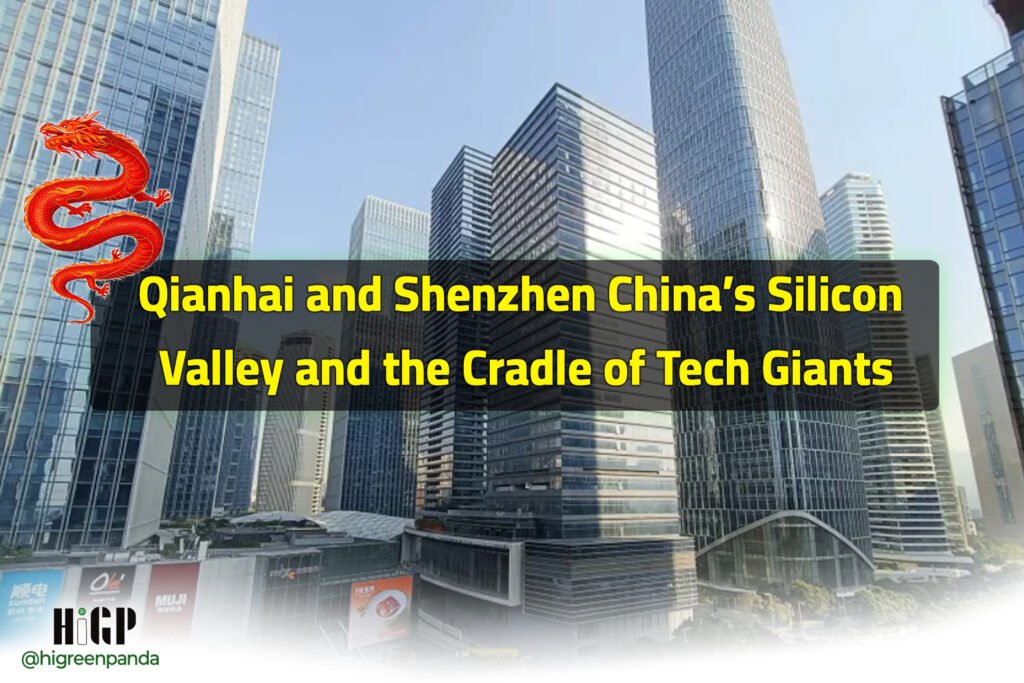
Shenzhen, Southern China – Guangdong Province in southern China, long familiar to traders from the Arab world, Asia, Africa, and Europe, holds a special economic importance. Beyond Guangzhou—home to China’s famed trade fair since 1957—the province boasts several rising industrial hubs and anchors the Greater Bay Area (GBA), which also includes Hong Kong and Macao.Qianhai and Shenzhen: China’s Silicon Valley and the Cradle of Tech Giants Among the most dynamic of these are Shenzhen and Qianhai, the closest mainland neighbors of Hong Kong and Macao. Together, they are part of an integrated cluster of 11 interconnected cities that form the Greater Bay Area, now a major engine of China’s economic modernization. In December, Hong Kong hosted for the second year a high-level conference on GBA development, bringing together over a thousand policymakers, investors, and entrepreneurs from across China and abroad. The event underscored the central role of geography in China’s economic planning—each region is tasked with cultivating distinctive strengths in manufacturing, exports, and innovation as the nation competes with global economic powers. The Nine Sister Cities Launched in 2017, China’s Greater Bay Area strategy envisions Hong Kong as a “window” and “catalyst” for its nine mainland sister cities—each offering unique advantages: Guangzhou: The provincial capital and China’s commercial hub, home to 80 universities, one million students, and over 100,000 tech-focused enterprises. Zhaoqing: Known for its cultural heritage, history, and tourism appeal. Huizhou: A port city with strengths in petrochemicals and IT manufacturing; ExxonMobil has invested nearly USD 19 billion there. Rich in resources and home to clean air, abundant forests, and vibrant agriculture. Foshan: Famous for furniture, ceramics, home appliances, martial arts, and traditional Chinese medicine. Dongguan: A global industrial hub producing around 60,000 product types across 40 sectors. It supplies 90% of electronic components for devices like smartphones, hosting 5,700 manufacturers tightly linked with Shenzhen and Hong Kong. Zhongshan: A vital transport hub and experimental industrial zone with shipbuilding, textiles, lighting, pharmaceuticals, and heavy industries. Jiangmen: Known as a hometown for overseas Chinese, attracting returning migrants. Zhuhai: Site of China’s airshows and defense exhibitions; directly linked to Hong Kong and Macao via the 55 km Hong Kong–Zhuhai–Macao Bridge, the world’s longest sea crossing, used by 27 million people in 2024 alone. Shenzhen: The “Silicon Valley of China,” birthplace of some of the nation’s most prominent tech firms. Qianhai’s Appeal Qianhai, a special district within Shenzhen, has attracted thousands of Hong Kong entrepreneurs, particularly young innovators, thanks to tax incentives and business-friendly policies. Established as the Qianhai–Shenzhen–Hong Kong Modern Service Industry Cooperation Zone, it promotes financial, trade, and logistics integration, while harmonizing legal, commercial, and intellectual property frameworks between Hong Kong and the mainland. Shenzhen: China’s Silicon Valley Shenzhen has become a global innovation hub, home to China’s most iconic technology companies: DJI: The world’s largest drone maker, pioneering aerial imaging and expanding into smart aviation systems. The drone economy is projected to reach USD 136 billion in the coming years. BYD: Founded 30 years ago, it has grown into the world’s largest electric vehicle producer, surpassing Tesla, with nearly 30 factories worldwide and an industrial city targeting USD 27.6 billion in annual output. Tencent: A tech giant serving over a billion users with apps for social media, digital payments, entertainment, and gaming—making it one of the largest content and gaming companies globally. Huawei: Established in 1987, now employing 207,000 people in 170 countries and serving 3 billion people with telecommunications and ICT solutions. Insta360: A rising star in portable action and panoramic cameras, dominating more than half the global market for personal 360° cameras, valued at over USD 276 million. Economic Powerhouse of the South The Greater Bay Area is among the wealthiest regions in southern China, with a combined GDP of USD 2 trillion in 2023, nearly one-ninth of China’s national output—double its 2013 level. Its ports handled 85+ million containers annually, making it one of the world’s most important trade and shipping hubs. Covering 56,000 km² with a population of over 86 million, the GBA is projected to rival other global bay areas such as Tokyo, San Francisco, and New York by 2035. The region’s rise is closely linked with the Belt and Road Initiative (BRI), launched 11 years ago. Enhancing the role of Shenzhen, Qianhai, and their sister cities strengthens China’s global presence under the BRI framework—while foreign partnerships developed through the initiative bring more investment, trade, and opportunities into the GBA.
Global Supply Chain Challenges and Their Impact on Chinese Trade
US-China Trade War and Its Impact on Global Supply Chains Trade tensions between the United States and China escalated again in early 2025, raising new concerns across global supply chains. From tariffs and sanctions to export restrictions and reshoring initiatives, the current phase of the trade war is reshaping how goods are produced, transported, and consumed around the world. Recent Developments: How Global Supply Chains Are Disrupted: Manufacturing Center DiversificationMultinational companies are accelerating “China +1” strategies – moving parts of their production to countries like Vietnam, India, and Mexico. Rising Costs and DelaysTariffs lead to increased costs of imported goods, which are often passed on to consumers. Logistics delays due to route changes and customs inspection processes. Reshoring TrendsSome companies are moving production closer to home to reduce risks, though this requires massive capital investments. Technology Restrictions and Innovation SlowdownExport controls on critical technologies (such as semiconductors and AI-related devices) force companies to rethink cross-border cooperation. Supply Visibility More Important Than EverCompanies with limited visibility into second and third-tier suppliers are more vulnerable to disruption risk. What Companies Can Do Now: Invest in Supply Chain Visibility ToolsPlatforms that help organizations gain instant insights into goods movement and identify bottlenecks. Strengthen Supplier Relationships and ContractsHaving diverse and thoughtful suppliers – and the right contractual leverage – can mitigate risks. Stay Informed and FlexibleMonitoring trade policies, tariffs, and geopolitical developments is essential. The US-China trade war is not just a bilateral issue – it’s a global disruption with far-reaching consequences. While challenges are significant, they also present an opportunity for companies to build more resilient, intelligent, and transparent supply chains.
Intellectual Property Protection Challenges in China: Updates and Solutions

Intellectual property protection in China remains a fundamental concern for small businesses, startups, and innovative companies in industries such as software, artificial intelligence, financial technology, clean technology, life sciences, and new manufacturing. Why Intellectual Property Protection Matters in China China has become a global innovation hub, but it’s also a high-risk environment for IP infringement due to: Trademarks protect brand names, logos, or product names. China operates on a first-to-file basis, meaning whoever applies first gets trademark rights regardless of original ownership. Steps to secure your trademark in China: Common trademark risks: China offers three types of patents: Best practices for patent registration in China: Copyright protects software code, creative works, and digital content. While copyright protection is automatic upon creation, formal registration in China strengthens enforcement capabilities and is often required for legal proceedings. How to secure copyright protection in China: Protecting confidential business information is crucial, especially in industries like technology, AI, fintech, and manufacturing. Trade secret protection strategies: How to Enforce Intellectual Property Rights in China Final Key Takeaways
Regulatory Compliance Challenges for Foreign Companies in China 2025
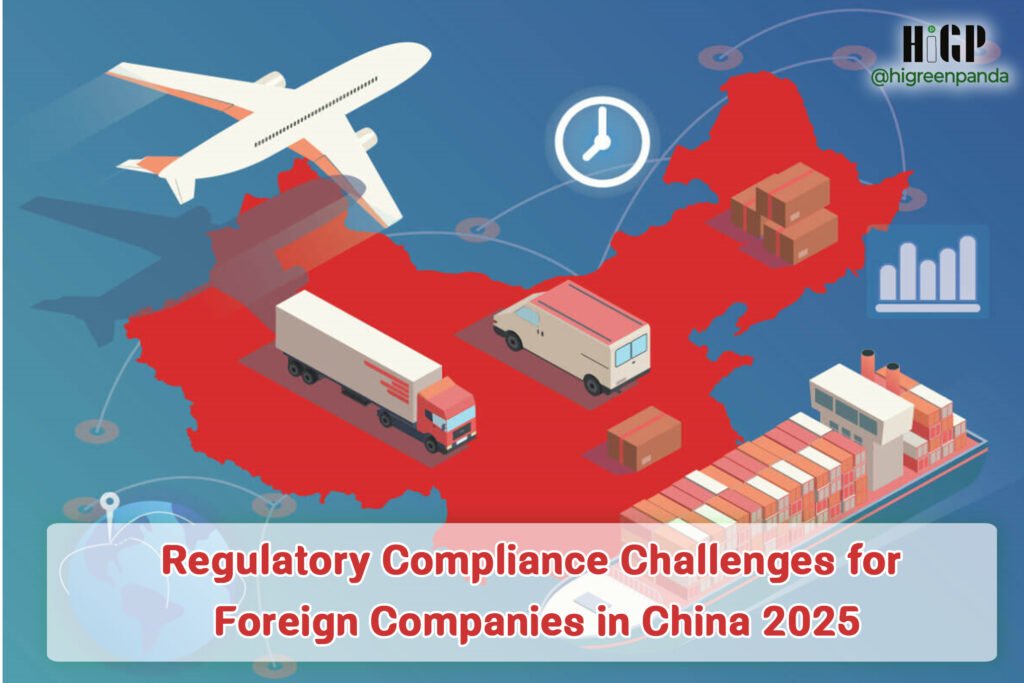
Operating companies in China’s rapidly evolving regulatory environment presents unique challenges for foreign companies. A company health check in 2025 can help companies identify risks, ensure compliance, and improve operations. Why Do Foreign Companies Investing in China Need a Health Check?Foreign companies investing in China operate within a complex and constantly evolving regulatory landscape. Navigating compliance requirements, financial risks, and operational challenges can be particularly difficult for foreign companies unfamiliar with local regulations and business practices. Factors That Make Company Health Checks Essential for Companies in 2025: Regulatory Changes: Increasing Risks in Business Management and Internal Control:
Impact of Belt and Road Initiative on Global Supply Chains: Opportunities for Importers
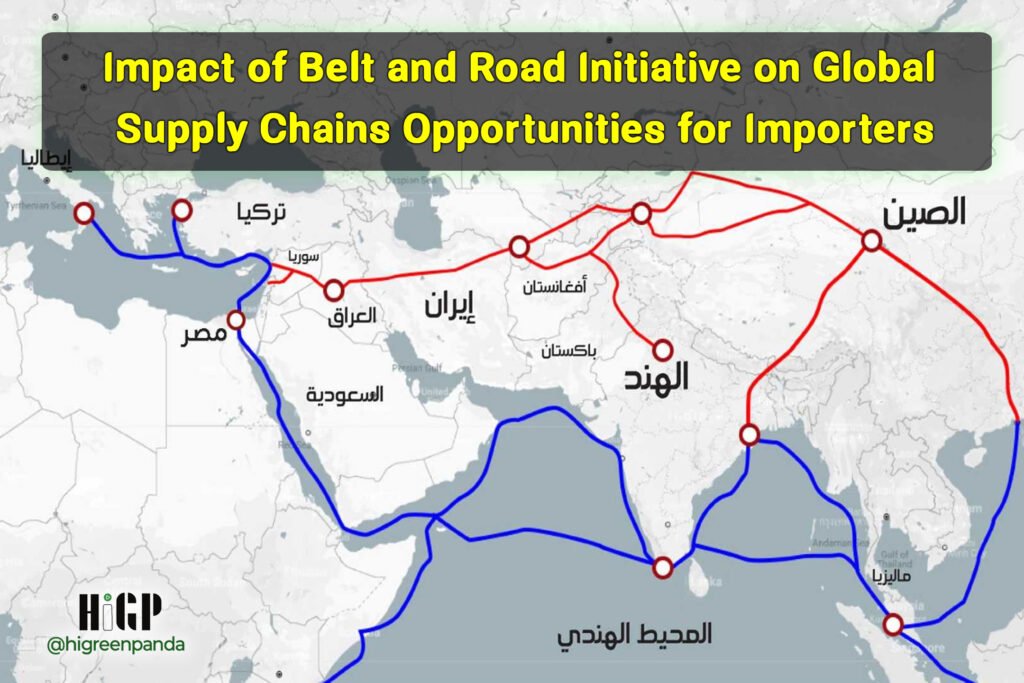
China’s Belt and Road Initiative is considered one of the most ambitious infrastructure projects in history, reshaping global supply chains since its launch in 2013. Scope and Scale So far, 147 countries – representing two-thirds of the world’s population and 40% of global GDP – have signed projects or expressed interest in participation. China has already spent approximately $1 trillion on these efforts, with expectations of reaching $8 trillion in expenditures over the initiative’s lifetime. Impact on Global Trade Research has shown that the initiative increases trade flows by up to 4.1% between participating countries, with greater effects for time-sensitive products like wood and plant products. Opportunities for Importers