
The Importance of Building Strong Relationships (Guanxi) in the Chinese Business Environment
In the Chinese business world, success is not solely dependent on product quality or competitive pricing; it heavily relies on building and nurturing strong personal relationships, known as “Guanxi.” Guanxi is a deep-rooted cultural concept in Chinese society and serves as the cornerstone of business practices in China. This article aims to explore the significance of Guanxi and how to effectively build it. What is Guanxi?Guanxi is often translated as “relationships” or “network of connections,” but its meaning is far more profound. It refers to a network of trusted, mutually beneficial personal relationships built on trust, respect, and reciprocal commitment. Guanxi extends beyond mere business connections to encompass social and personal relationships. It is akin to social capital that can be leveraged to facilitate transactions, resolve problems, and gain support within the business environment. Why is Guanxi Important in Chinese Business? How to Build Guanxi EffectivelyBuilding Guanxi requires time, effort, and patience. It is an ongoing process, not a one-time transaction: Common Mistakes to AvoidAttempting to Buy Guanxi: Guanxi cannot be bought with money. It is built on mutual trust and respect.Treating Guanxi as a Transaction: Guanxi is not merely a business deal. It is an ongoing relationship that requires nurturing.Not Understanding Nuances: There might be subtle differences in how Guanxi operates in different regions or industries.Over-reliance on Guanxi: Despite its importance, Guanxi should not be the sole factor for success. It must be supported by quality, efficiency, and professionalism. HIGREENPANDA recognizes the utmost importance of Guanxi in the Chinese business environment and provides its clients with the necessary support to build strong and sustainable relationships:Facilitating Communication: Helps bridge the cultural and linguistic gap, enabling clients to communicate effectively with Chinese partners.Identifying Reliable Partners: Assists in identifying suppliers and partners who value long-term relationship building.Providing Cultural Advice: Offers guidance on Chinese business etiquette and how to build Guanxi effectively.Coordinating Meetings: Helps coordinate meetings and events that foster personal relationship building.Problem Solving: Provides support in resolving any issues that may arise, leveraging its own network of relationships. Through its deep expertise in the Chinese market, HIGREENPANDA enables its clients to navigate the complexities of Guanxi, enhancing their chances of success and achieving sustainable growth.
Top 10 Industrial Cities in China Every Trader Should Know
China is known as the “world’s factory,” a reputation built on a vast network of specialized industrial cities, each playing a vital role in global supply chains. Understanding these cities and their industrial specializations is crucial for any trader or importer looking to leverage China’s immense manufacturing capabilities. Leading Industrial Cities and Their SpecializationsIndustries in China are distributed across various cities, each with its strengths and specializations. Here are the top 10 industrial cities traders should know: HiGreen Panda Marketing understands the importance of comprehending the industrial specializations of each Chinese city to help its clients maximize import and manufacturing opportunities. Through its specialized services, such as researching reliable products and suppliers, and comprehensively managing the import process, HiGreen Panda can accurately guide traders to the appropriate cities and factories for their needs. Whether you are looking for electronics in Shenzhen, textiles in Guangzhou, or heavy equipment in Tianjin, HiGreen Panda’s expertise ensures you access the best and most efficient sources.
Investment in China’s Green Energy Sector: From Solar Power to Battery Vehicles
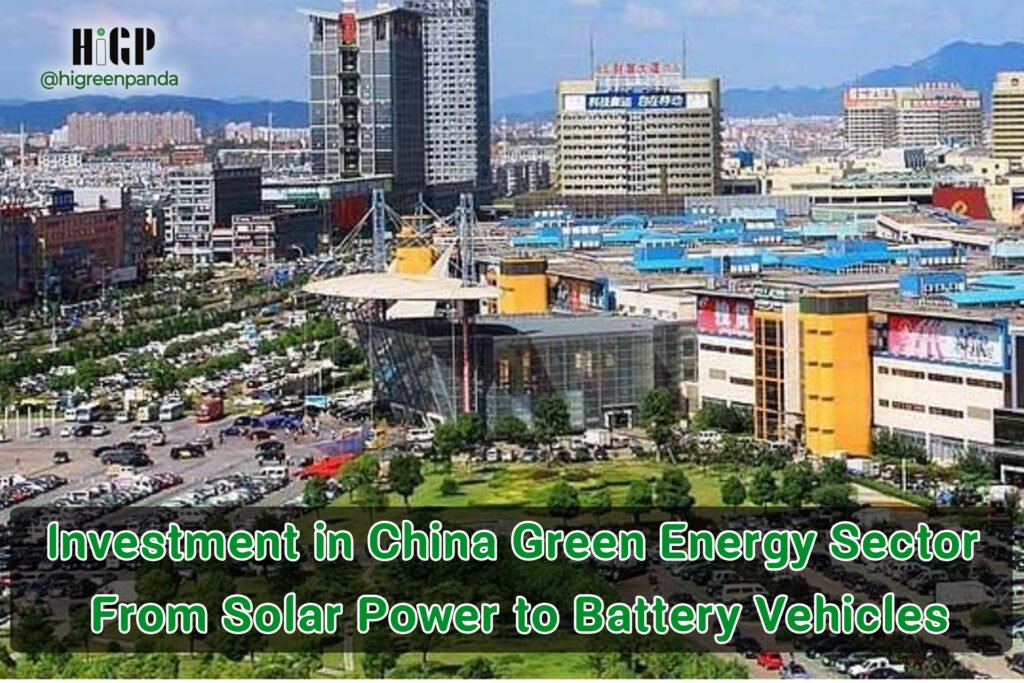
China’s transition to clean energy is witnessing a radical transformation that is reshaping energy economics worldwide. The accelerated deployment of renewable energy, grids, and storage in China, along with electrification of transport, buildings, and industry, is rapidly bringing China closer to peak fossil fuel consumption associated with energy. Accelerated Growth in Renewable Energy Impressive 2024 Statistics: Massive Investments in Clean Energy Record Investment Figures: Infrastructure Growth: Consumer Sector Transformation Comprehensive Electrification:In Buildings: In Industry: In Transport: Economic Impact of Clean Energy Contribution to GDP: Innovation Leadership: Key Investment Opportunities: Promising Sub-sectors: Impact on Global Cost Reduction: Chinese Innovations Lead: Smart Investment Strategies: Future Outlook: Radical Transformation Coming: China’s green energy sector represents a massive and growing investment opportunity, with enormous potential for long-term returns and contribution to global sustainable energy future.
Investment in China’s Logistics Services Sector
The global logistics industry in 2025 is witnessing a seismic transformation, with China at the forefront of this shift. By 2025, China is preparing to cement its position as a global leader in logistics, driven by technological innovation, infrastructure development, and strategic investments. Rise of China’s Logistics Industry China’s logistics industry has grown tremendously over the past two decades, fueled by the country’s rapid economic expansion and its role as the “world’s factory.” In 2022, the value of China’s logistics market was estimated at over $1.7 trillion, constituting nearly 30% of the global logistics market. One of the main drivers of this growth is the Chinese government’s focus on infrastructure development. The Belt and Road Initiative (BRI), launched in 2013, has been instrumental in connecting China with more than 140 countries through a network of roads, railways, ports, and pipelines. Technological Innovation: The Backbone of China’s Logistics Dominance China’s logistics industry in 2025 leverages cutting-edge technologies to streamline operations and improve efficiency. Artificial intelligence, big data, blockchain, and the Internet of Things (IoT) are being integrated into logistics systems to enhance supply chain management. Artificial Intelligence and Automation:AI-powered systems are revolutionizing warehouse management, route optimization, and demand forecasting. Companies like Alibaba and JD.com use AI to automate their warehouses, reducing human error and increasing processing speeds. Blockchain for Transparency:Blockchain technology is being adopted to enhance transparency and security in supply chains. By providing a decentralized and immutable ledger, blockchain ensures that all stakeholders have access to real-time data. IoT and Smart Logistics:IoT enables real-time tracking of goods, vehicles, and shipments. Smart sensors and connected devices provide valuable data that helps logistics companies monitor conditions such as temperature, humidity, and location. Infrastructure Development: Building the Logistics Highway China’s logistics dominance is supported by its world-class infrastructure. The country boasts some of the world’s largest and most advanced ports, airports, and railways. Ports and Shipping:China is home to seven of the world’s ten busiest ports, including Shanghai, Shenzhen, and Ningbo-Zhoushan. These ports handle millions of containers annually, facilitating the movement of goods across the globe. High-Speed Railway and Road Networks:China’s high-speed railway network, the world’s largest, is a game-changer for domestic logistics. It enables rapid movement of goods across vast distances, reducing transit times and costs. Air Cargo Centers:Air cargo is another area where China is making significant strides. The country is developing modern air cargo centers, such as Beijing Daxing International Airport, to handle the growing demand for e-commerce and time-sensitive shipments. E-commerce Boom: Fueling Logistics Growth The rise of e-commerce has been a major catalyst for China’s logistics industry. With over a billion internet users and a thriving digital economy, China is the world’s largest e-commerce market. Companies like Alibaba, JD.com, and Pinduoduo have built extensive logistics networks to support their e-commerce operations. Alibaba’s Cainiao network, for example, operates smart warehouses and delivery systems that ensure same-day or next-day delivery to millions of customers. Green Logistics: A Sustainable Future As the logistics industry grows, so does its environmental impact. Recognizing this, China is heavily investing in green logistics initiatives to reduce carbon emissions and promote sustainability. Electric Vehicles:China is the world’s largest market for electric vehicles, and this extends to the logistics sector. Companies like SF Express and JD Logistics are transitioning their fleets to electric vehicles to reduce their carbon footprint. Renewable Energy in Warehousing:Solar panels and other renewable energy sources are being integrated into warehouses and logistics centers. For example, JD.com’s smart logistics park “Asia No. 1” in Shanghai operates entirely on renewable energy. Challenges and Opportunities While China’s logistics industry is on an upward trajectory, it is not without challenges. Rising labor costs, geopolitical tensions, and the need for further regulatory reforms are some obstacles that authorities must address. However, these challenges also present opportunities for innovation and collaboration. By strengthening partnerships with global players and investing in research and development, China can overcome these obstacles and strengthen its position as a logistics leader.
Investment in China’s Education Sector: Promising Prospects
China’s education sector is vast, driven by a large number of students and growing demand for diverse educational services. It’s dynamic, witnessing continuous innovation and adaptation to address evolving educational needs and preferences. Understanding China’s Education Market China has the world’s largest state-run education system, with 293 million students and 18.8 million teachers in more than 518,500 schools as of 2022. While the country mandates nine years of compulsory education – six years primary and three years secondary – access to higher education has become very common, with more than 10 million university graduates in 2022. Impact of China’s Policies on Education Market: Tutoring Ban In July 2021, the Chinese government launched a broad campaign against the tutoring sector, banning teachers from providing profit-making classes in school curriculum subjects. This policy called “Shuang Jian” (Double Reduction) sought to limit homework and tutoring. Notable Trends in Education Sector: Business Prospects and How to Enter the Chinese Market China’s education landscape is built on solid fundamentals: a large market and sustainable demand for good education at all levels. But entering or expanding in the sector presents challenges, especially for small institutions and new entrants. High barriers include service experience requirements, technical expertise, and strong sales channels. The fundamental obstacle involves navigating a distinctive regulatory environment and adapting content and technology to local standards, language, and educational preferences.
Investment in Chinese Infrastructure – Opportunities for Foreign Companies
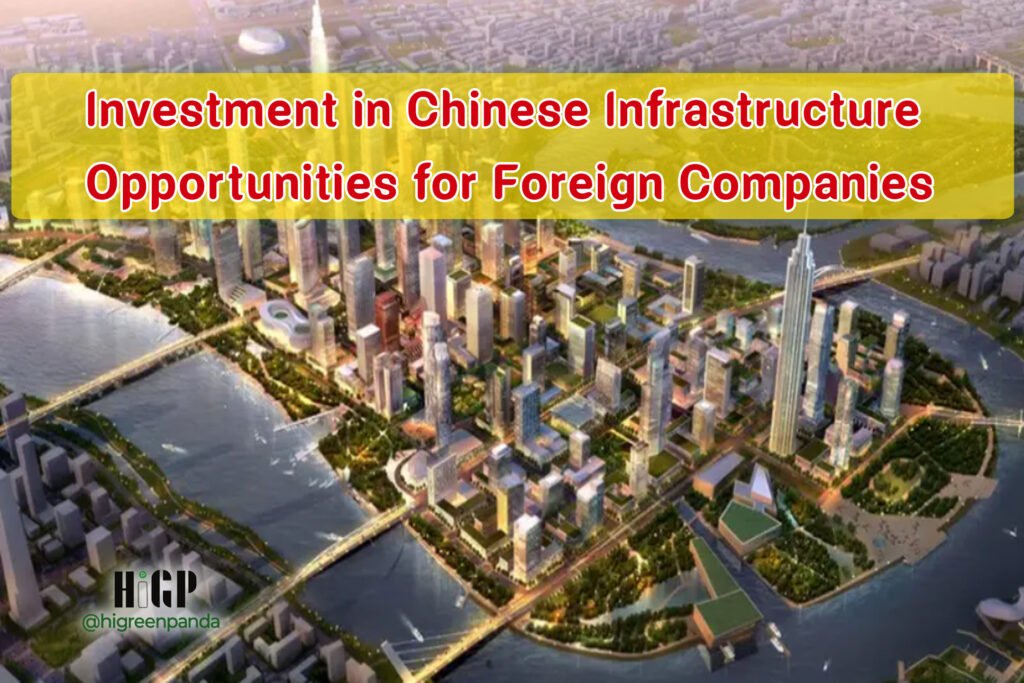
Foreign investment has always been a major contributor to economic growth and development in China. As China continues to open its doors to the global market, some sectors have become particularly attractive to foreign investors. The Five Main Sectors Attracting Foreign Investment:
Foreign Direct Investment in China
China is a major destination for Foreign Direct Investment (FDI) globally, thanks to its massive market, developed industrial environment, and government policies that encourage attracting foreign capital. Despite challenges and complexities, the opportunities available to foreign investors in China remain immense, especially in high value-added sectors and advanced technologies. Types of Foreign Direct Investment in ChinaForeign investors can enter the Chinese market through several forms of direct investment: Legal Procedures and LicensesThe process of establishing a foreign investment entity in China requires adherence to numerous legal procedures and obtaining the necessary licenses. Key steps include: Special Economic Zones and Government IncentivesTo attract foreign investment, China has established several Special Economic Zones (SEZs) and Free Trade Zones (FTZs) that offer incentives and facilities to investors. These incentives include:Tax Benefits: Reductions in corporate taxes and tax exemptions for certain industries or initial periods.Simplified Procedures: Streamlined administrative procedures and customs clearance.Developed Infrastructure: Provision of modern infrastructure and advanced logistics facilities.Government Support: Providing support in areas such as land provision, employment, and research and development [6]. HIGREENPANDA’s Role in Supporting Foreign Direct InvestmentThe process of foreign direct investment in China is complex and requires deep knowledge of local regulations and administrative procedures. This is where HIGREENPANDA comes in as a trusted partner for Arab investors:Strategic Consulting: Providing advice on the best investment structure to suit the investor’s objectives, and identifying promising sectors and regions.Company Establishment Support: Full assistance in all stages of company establishment, including preparing documents, submitting to government agencies, and obtaining necessary licenses in China and Hong Kong.Navigating Regulations: Guiding investors through the constantly changing legal and regulatory framework to ensure compliance.Connecting with Local Partners: Leveraging HIGREENPANDA’s extensive network to connect investors with reliable local partners, lawyers, and accountants.Post-Establishment Services: Providing ongoing support in company management, tax compliance, and operational matters. Through its extensive experience and specialized team, HIGREENPANDA ensures that the foreign direct investment process is smooth and efficient, enabling investors to focus on growing their businesses in the Chinese market.
China’s Belt and Road Initiative: Unlocking Global Connectivity and Shared Growth
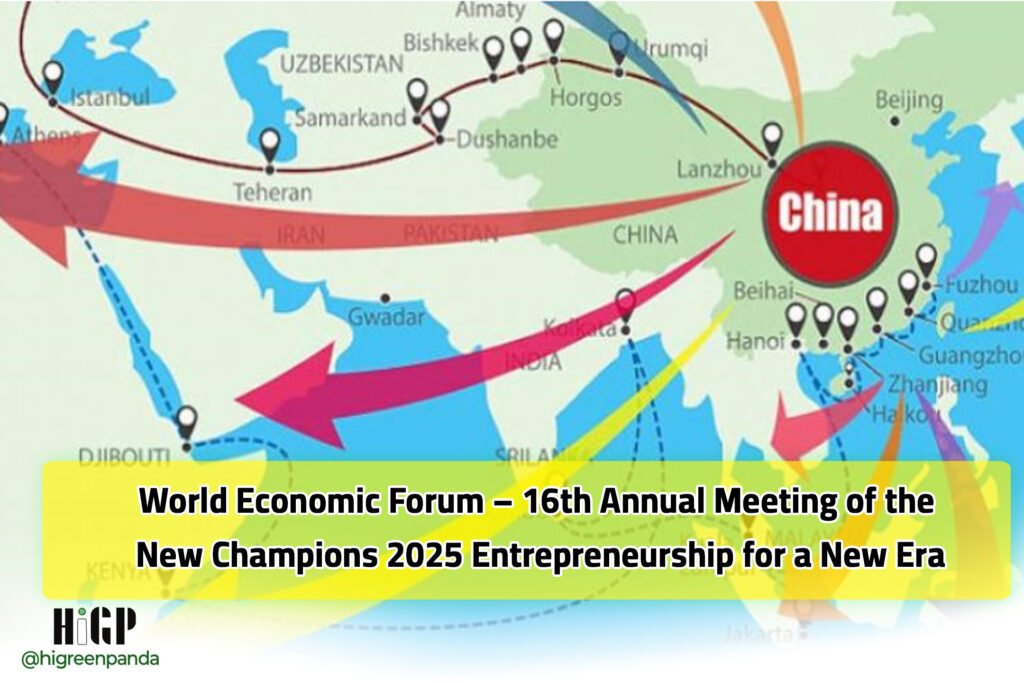
Launched in 2013, China’s Belt and Road Initiative (BRI) is an ambitious vision designed to enhance connectivity, cooperation, and shared development on a global scale, spanning multiple continents. The initiative seeks to revive historic trade routes with modern infrastructure and partnerships, positioning China as a key driver of global economic growth and international collaboration. Given the scope and complexity of the BRI, the World Bank conducted an independent analysis to assess the vast growth potential created by its transport corridors. Supported by robust research and advanced economic modeling, the “Economics of the Belt and Road Initiative” study aims to help participating countries maximize benefits by aligning investments and reforms with their development priorities. It also contributes to the global dialogue on the BRI, emphasizing the initiative’s transparency and China’s commitment to constructive engagement. Key Findings: Opportunities and Benefits
Exploring Investment Opportunities in China’s Technology Sector
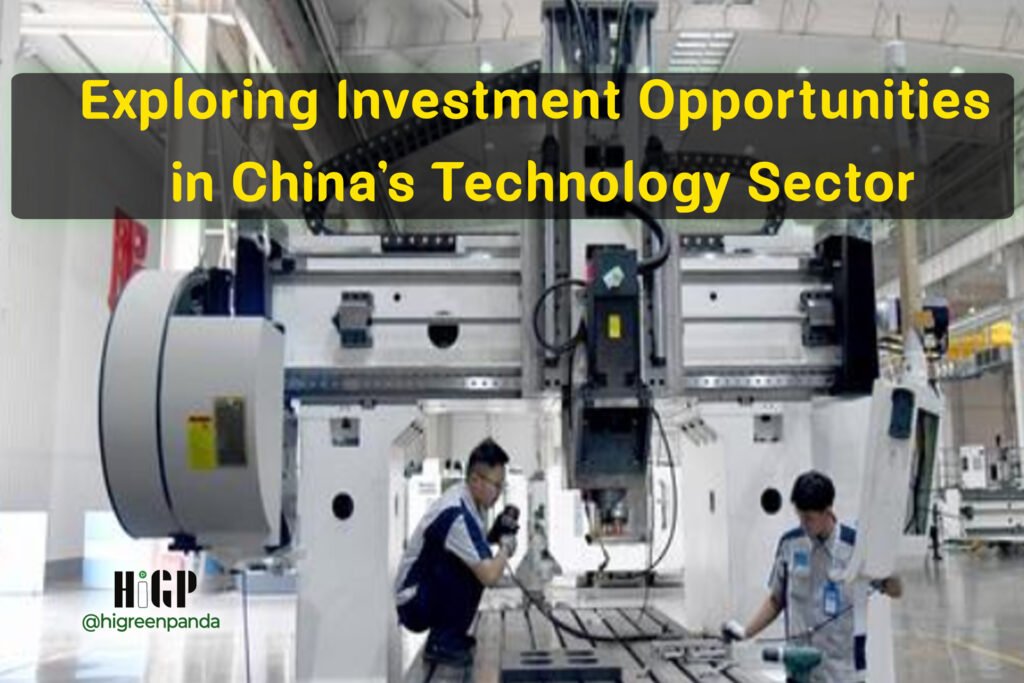
China’s technology sector has witnessed tremendous growth over the past decades, becoming one of the most dynamic and innovative sectors globally. From e-commerce and artificial intelligence to FinTech and electric vehicles, China offers unparalleled investment opportunities for foreign companies and investors. This article aims to highlight these opportunities and how to leverage them. China’s technology sector is characterized by:Rapid Innovation: China is known for its ability to adopt and develop new technologies at a very fast pace.Massive Market Size: China is the world’s largest market for digital consumers, providing a huge base for testing and scaling technological products and services.Government Support: The Chinese government provides significant support for research and development and innovation, through preferential policies and investments in technological infrastructure.Investment in R&D: China spends huge amounts on research and development, enhancing its competitiveness in advanced technological fields.Globally Leading Companies: China is home to tech giants such as Alibaba, Tencent, Huawei, and ByteDance, which are driving forces for innovation. Investment Opportunities in China’s Technology Sector Challenges and RisksDespite the opportunities, investors in China’s technology sector face several challenges:Changing Regulations: Government regulations in the technology sector can be rapidly changing and complex.Intense Competition: The market is highly competitive, with strong and innovative local Chinese companies.Intellectual Property Protection: Despite improvements, intellectual property protection remains a concern for some investors.Data Access: There may be restrictions on cross-border data transfer or access to certain data.Geopolitical Tensions: Trade and political tensions can affect the investment environment. HIGREENPANDA’s Role in Technology InvestmentHIGREENPANDA offers comprehensive support to its clients to capitalize on investment opportunities in China’s technology sector:Market Studies: Conducts in-depth market studies to identify promising technology sectors and investment opportunities.Partner Identification: Helps identify reliable Chinese partners, including startups, established companies, and investment funds.Legal and Regulatory Consulting: Provides advice on regulations, licenses, and intellectual property protection in the technology sector.Facilitating M&A: Assists in mergers and acquisitions, and strategic partnerships with Chinese technology companies.Access to Funding: Helps connect investors with local funding sources, including venture capital funds. Through its deep expertise in the Chinese market and its extensive network of relationships, HIGREENPANDA enables its clients to make informed investment decisions and mitigate risks, opening wide horizons for success in China’s technology sector.
Exploring Opportunities in China’s Manufacturing Sector
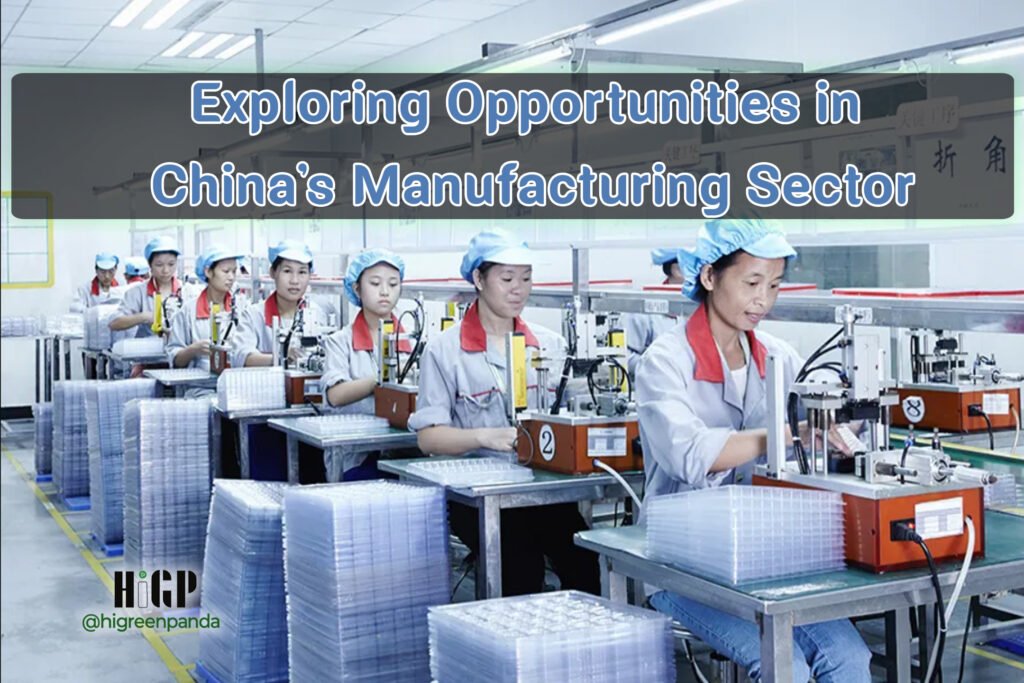
China is known as the “world’s factory,” with its manufacturing sector being the largest and most diverse globally. Despite global economic challenges and shifts in supply chains, this sector continues to offer immense opportunities for foreign companies seeking to invest, manufacture, or source. This article aims to explore these opportunities and how to leverage them. Overview of China’s Manufacturing IndustryManufacturing forms the backbone of the Chinese economy, contributing significantly to its GDP. This industry is characterized by:Massive Production Capacity: China produces a wide range of goods, from electronics and textiles to machinery and heavy equipment.Integrated Supply Chains: China boasts integrated and efficient supply chains, making it easier to source raw materials and components.Innovation and Technology: China is increasingly focusing on innovation and advanced technology, especially in sectors like robotics, artificial intelligence, and smart manufacturing.Skilled Workforce: China possesses a large and skilled workforce, along with highly competent engineers and researchers.Developed Infrastructure: The industry is supported by advanced logistics and transportation infrastructure, facilitating the movement of goods. Opportunities in China’s Manufacturing Sector Challenges and RisksDespite the opportunities, investors in China’s manufacturing sector face several challenges:Rising Labor Costs: Labor costs in China have begun to rise, reducing the cost advantage in some industries.Environmental Regulations: China is tightening environmental regulations, requiring factories to adhere to strict standards.Intellectual Property Protection: Intellectual property protection remains a challenge in China, despite continuous improvements.Local Competition: There is intense competition from local Chinese companies that are becoming more capable and competitive.Trade Tensions: Trade tensions and protectionist policies can affect supply chains and market access. HIGREENPANDA’s Role in the Manufacturing IndustryHIGREENPANDA offers comprehensive support to its clients to capitalize on opportunities in China’s manufacturing sector:Identifying Factories and Suppliers: Helps identify reliable factories and suppliers that meet required quality and cost standards.Factory Audits: Conducts comprehensive factory audits to assess production capabilities, quality systems, and regulatory compliance.Production Management: Provides production management services to monitor product quality, timelines, and adherence to specifications.Consulting: Offers consultations on industrial regulations, intellectual property protection, and best practices in manufacturing in China.Shipping Coordination: Assists in coordinating the shipment of manufactured products from China to the final destination. Through its expertise and extensive network of relationships, HIGREENPANDA enables its clients to confidently navigate the complexities of China’s manufacturing industry, enhancing their chances of success and achieving sustainable growth.