
China’s Food Industry: Understanding Restrictions and Specifications for Export to Arab Markets

China emerged as the world’s second-largest importer of food and beverage products after the United States in 2016, with imports exceeding 130 billion Australian dollars ($88.2 billion USD). By 2022, this figure rose to $110 billion USD. Step One: Complete Importer and Exporter Registration Foreign exporters typically adopt two methods to deliver goods to China: In both models, all foreign food and beverage exporters and importers must register through: Products Requiring Additional Registration: Some high-safety food products require additional registration, such as: Step Two: Prepare Documents and Prior Authorization Documents Required for Customs Clearance: Prior Import Authorization: Generally, food products entering China do not require prior import authorization. However, if the product is listed in the 2023 Automatic Import Licensing Commodity Catalog, such as poultry or dairy products, importers must apply for automatic import authorization. Step Three: Labeling Every food product imported into China must be labeled in simplified Chinese characters to complete customs clearance. Several rules determine labeling requirements for food and beverage layout and content in China: The label must provide the following information: Recent Regulatory Developments China’s General Administration of Customs (GACC) issued measures for imported and exported food safety and food safety management systems on April 12, 2021. These regulations introduced important changes including:
China’s Textile Industry: Innovation and Sustainability
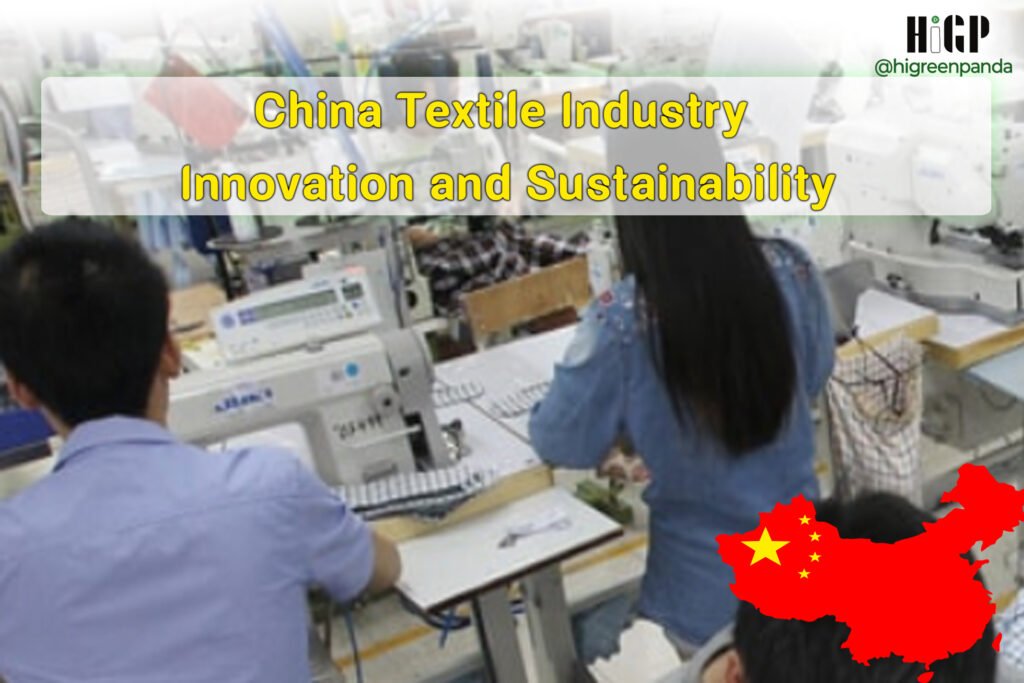
Transformation Toward Sustainability in China’s Textile Industry China’s textile industry has witnessed a radical transformation toward sustainability, driven by multiple factors including government policies, increasing consumer demand, and global brand requirements. Driving Factors for Change: Government Policies and InitiativesIn 2016, China introduced its 13th Five-Year Plan focusing on green development and environmental protection, with ambitious goals: Increasing Consumer DemandA 2020 PwC survey showed that 72% of Chinese consumers consider sustainability an important factor when purchasing, especially among younger generations. Global Brand RequirementsGlobal fashion giants like H&M, Nike, and Adidas have set strict sustainability standards for their Chinese suppliers. Pioneers in Sustainable Manufacturing: Huafu Top DyedSpecialized in melange yarns and developed dyeing technologies that use 30% less water, while recycling more than 6 billion plastic bottles annually to produce recycled polyester yarns. Hemp FortexPioneer in hemp fabric production that requires 50% less water than cotton and doesn’t need pesticides. Jiangsu Lianfa TextileInvested in closed-loop systems that recycle 95% of wastewater and produce fabrics like Tencel and organic cotton. Sustainable Materials and Processes: Recycled Materials Natural and Organic Fibers Eco-Friendly Manufacturing Challenges and Opportunities: Challenges: Opportunities:
China’s Aviation Industry – Growth Ambitions and Innovation
China’s aviation ambitions are soaring to new heights, as evidenced by its recent push to convince Vietnam to allow domestically produced aircraft to operate. China’s domestic aviation market is a force to be reckoned with, surpassing the United States in 2020 to become the largest domestic market in terms of seat capacity. Domestic Dominance and Growth:The country now operates an impressive fleet of 4,335 transport aircraft and manages 262 airports nationwide, supporting a total transport capacity of 1.6 billion passengers annually. This growth continues, with the government planning to increase the number of airports to 400 by 2035. Commercial Aircraft Corporation of China (COMAC):At the heart of China’s aviation ambitions lies COMAC, a state-backed entity tasked with breaking the Boeing-Airbus duopoly. The C919 narrow-body aircraft, COMAC’s flagship project, entered service in 2023 after years of development. Challenges and Opportunities: Regional Strategy:The Belt and Road Initiative amplifies China’s influence, with investments in airports across Cambodia, Pakistan, and the Maldives. These projects enhance regional connectivity while integrating partner countries into Chinese trade networks. Future Outlook:If COMAC succeeds in securing regulatory approval and expanding its international footprint, it could reshape the aviation industry, just as China transformed maritime trade. Until then, China’s aviation sector remains in a critical takeoff phase, seeking to reach cruising altitude in an industry dominated by giants.
China’s Electric Vehicle Industry: A Decade of Transformation Towards Global Dominance
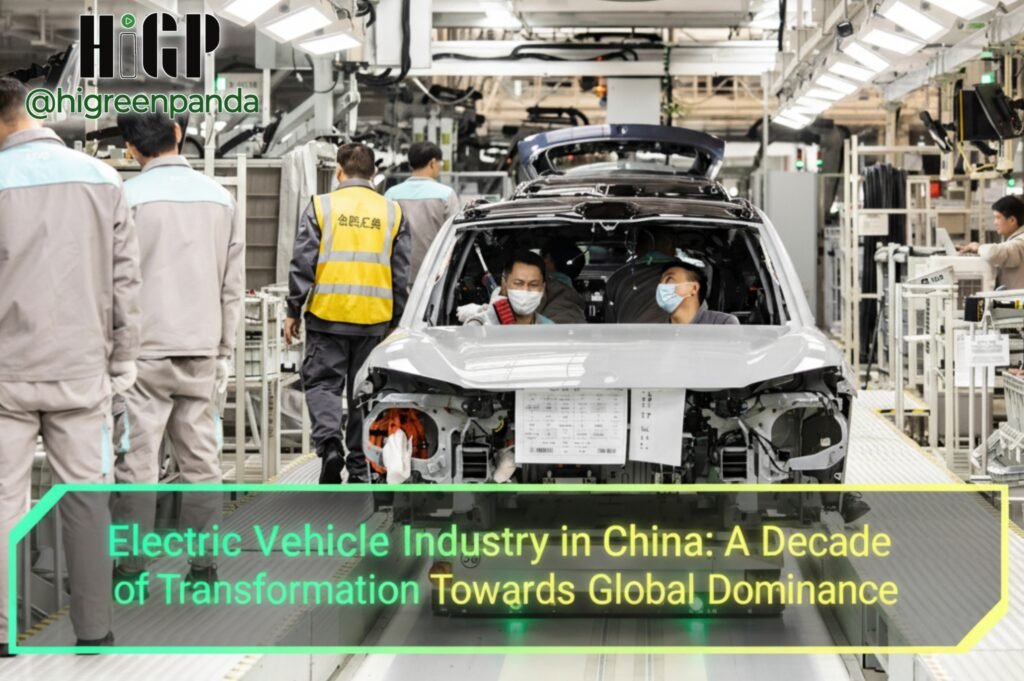
In the last decade, China has undergone a strategic transformation towards global dominance in the electric vehicle industry. This trend was clearly evident – according to Bloomberg – 10 years ago during President Xi Jinping’s 2014 visit to SAIC Motor Corp., one of China’s largest automakers, where he highlighted the importance of developing new energy vehicles as part of China’s ambitious campaign to achieve global standing in the electric vehicle sector. Bloomberg quotes Xi’s speech from a Xinhua news agency report, in which he stated, “The path to becoming a powerful nation in the automotive industry lies in developing new energy vehicles.” From Humble Beginnings to Global LeadershipAccording to Bloomberg, the Chinese market has seen steady growth since its entry into the sector, with approximately 75,000 electric and hybrid vehicles sold domestically in 2014, and about 533,000 exported in the same year. Foreign automakers, such as Volkswagen and General Motors, dominated the Chinese market through joint ventures. Bloomberg notes that this international influence was crucial in transforming China from “a nation of bicycles to a nation of cars.” However, local brands without foreign cooperation were considered inferior in terms of technology, according to the agency. Strategic Shifts and Tesla’s EntryBloomberg indicates that China’s strategic pivot to focus on fuel-efficient and alternative energy vehicles was supported by guiding principles published in 2012, which paved the way for Xi’s influential speech two years later. The agency mentions that Tesla’s entry into the Chinese market in 2019 marked a significant shift in the sector, as it was the first foreign automaker to establish a comprehensive electric vehicle manufacturing plant in Shanghai, China. This spurred local competition and pushed Chinese brands towards further innovation in the electric vehicle field.
China Tourism Industry Post-Pandemic Recovery Dashboard
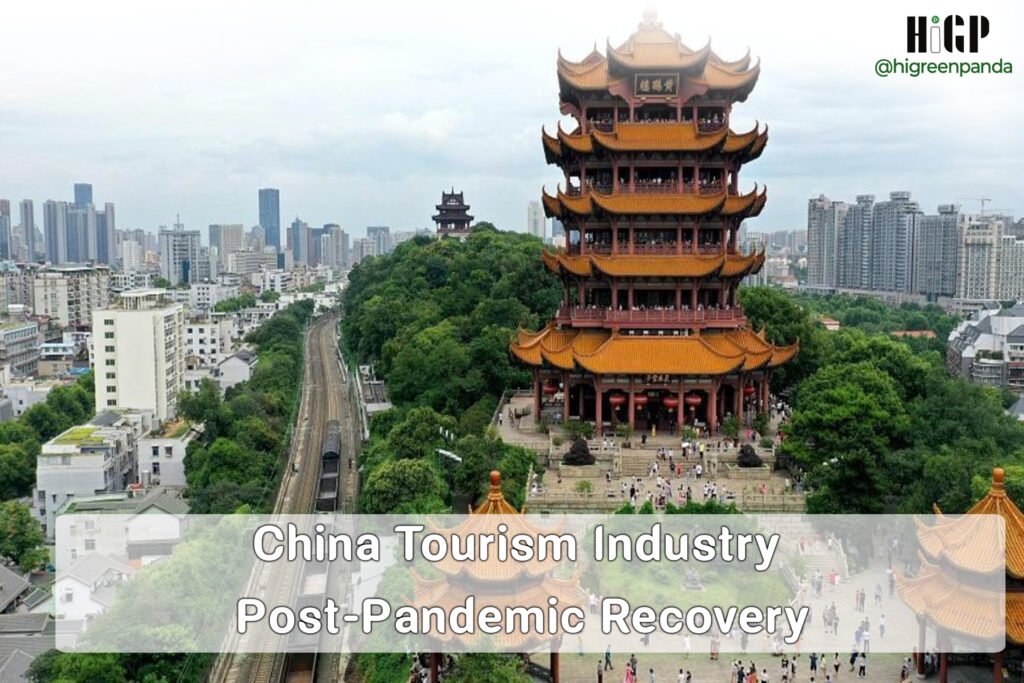
Domestic Demand Intercity and International Travel Digital Channels Destination Experience Sustainability Revenue and Pricing Human Resources Early Warning Thresholds
China’s Healthcare Industry: Opportunities for Foreign Companies
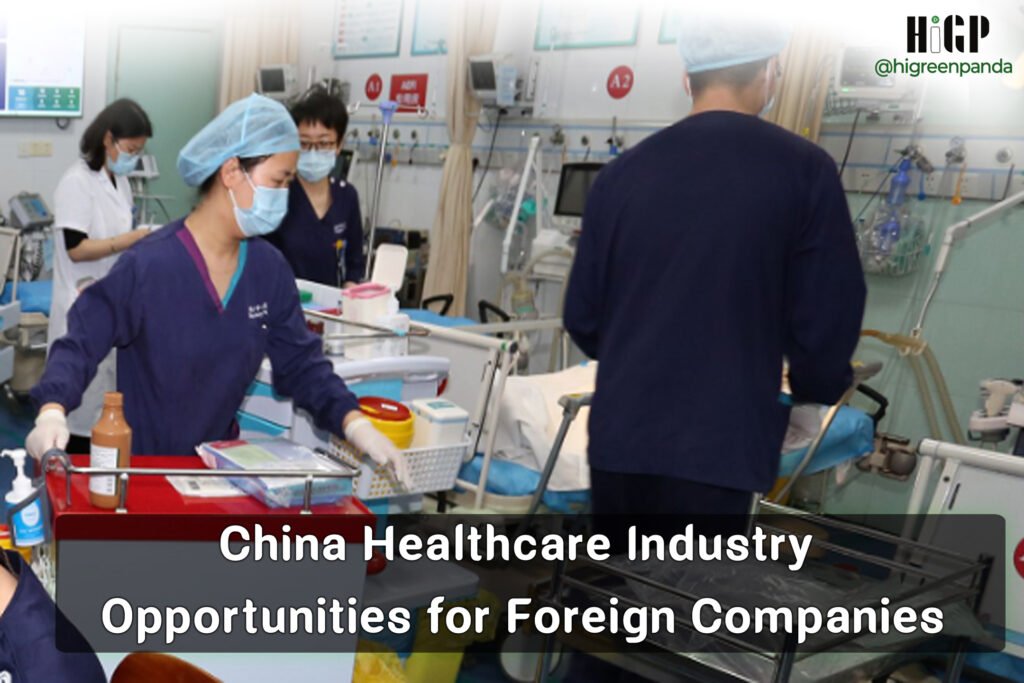
New Openness in China’s Healthcare Sector China is witnessing increasing openness in the healthcare sector to foreign investment, creating new investment opportunities for global companies. This openness is driven by the growing need for advanced healthcare services and the desire to attract international expertise and technologies. Recent Legal Reforms:In November 2024, the National Health Commission announced a detailed action plan to establish fully foreign-owned hospitals in 9 major cities, including: Key Investment Opportunities: Online HealthcareMassive growth in telemedicine platforms and digital health services, with increasing demand for health technology solutions. Medical DevicesGrowing market for advanced medical devices, especially with population aging and rising living standards. AI in HealthcareMassive investments in AI applications for diagnosis, treatment, and patient monitoring. Specialized ServicesIncreasing demand for specialized medical services and advanced care, especially in major cities. Challenges and Requirements: Regulatory ComplianceNeed to comply with strict health regulations and obtain required licenses. Local PartnershipsImportance of building strong relationships with local partners and Chinese medical institutions. Understanding Local MarketNeed for deep understanding of Chinese patients’ needs and local medical practices. Investment in TrainingDeveloping local capabilities and training them on international technologies and practices. Encouraging Policies: Future Outlook:China’s healthcare market is expected to continue growing at high rates, driven by:
Q&A About China’s Mining Industry
Q: What are the main components of China’s mining sector?A: Coal (large share of energy), iron and steel (massive production with dependence on ore imports), copper and aluminum (demand driven by infrastructure and electricity), rare earth elements (global leadership in mining and processing), with growth in lithium, nickel, and cobalt for batteries. Q: What are the main environmental challenges?A: Treatment of waste and acid liquids and dust, and reducing emission intensity through cleaner energy and consumption efficiency. Q: How are safety and compliance challenges addressed?A: Periodic inspection and closure of high-risk mines, raising safety standards in deep mines, and improving disclosure and governance. Q: What is the impact of market fluctuations?A: High sensitivity to commodity prices; strategic stockpiling policies and futures hedging are used to mitigate risks, especially for dependence on iron ore and copper. Q: Where does technical innovation stand out?A: Automated smart mines, IoT, autonomous vehicles, and digital twin for predictive maintenance and schedule optimization. Q: What are the strategic trends?A: Integration of small entities, enhancing local value addition (especially in REEs and batteries), and foreign investments to secure supplies. Q: How does the energy transition impact?A: Rising demand for copper, lithium, and nickel driven by electric vehicles and renewable energy, with gradual decline in coal’s role. Q: What opportunities exist for international partners?A: Low-emission equipment, clean processing technologies, safety solutions, recycling partnerships, and hedging services. Q: What are the relevant governance frameworks?A: Stricter environmental regulations, ESG disclosure standards, and R&D support for clean mining and urban recycling. Q: What is the status of “urban mining” and recycling?A: Growing initiatives to extract metals from electronic waste and industrial residues, with government support to expand capabilities and include them in emission reduction targets. Q: How are relationships with local communities around mines managed?A: Through early consultation mechanisms, fair compensation, alternative training and employment programs, and periodic transparent public environmental impact monitoring. Q: What are the main sector performance indicators?A: Accident rate per 1,000 workers, emission intensity (tons CO2/ton ore), percentage of treated waste, and metal recovery coefficient in processing. Q: Where is the sector heading in 3-5 years?A: Deeper mine digitization, low-carbon projects, expansion in recycling, and internationalization for electric vehicle battery chains
China’s Entertainment and Media Industry: Growth and Expansion
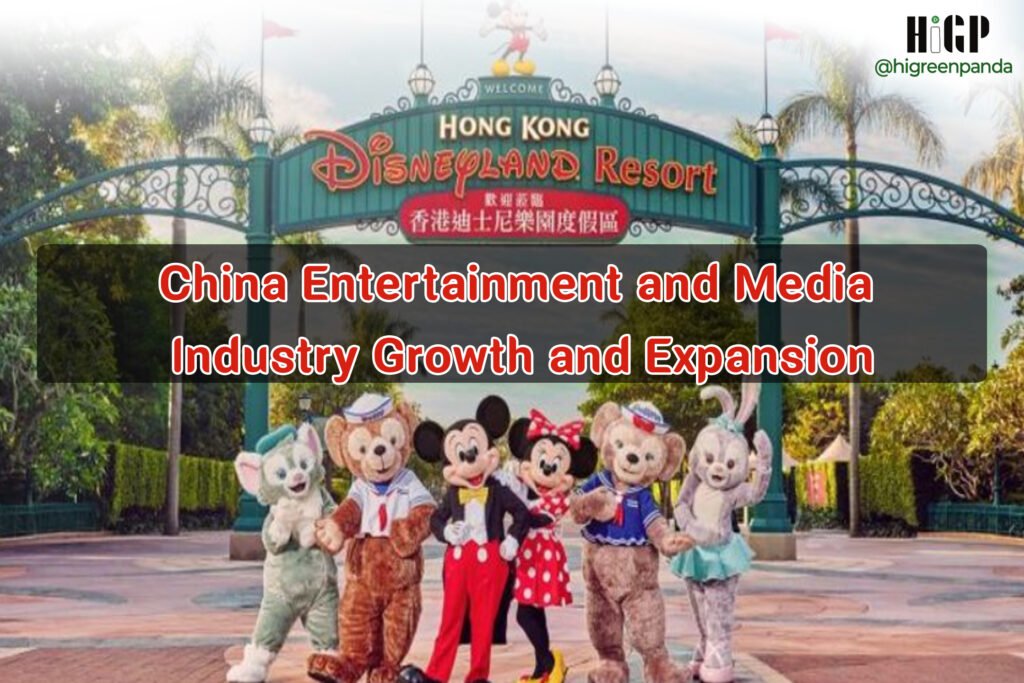
According to PwC’s Global Entertainment and Media Industry Outlook 2024-2028 China Summary, China’s total entertainment and media industry revenue will reach approximately $576.2 billion USD by 2028. The compound annual growth rate (CAGR) of 5.5% will be higher than the global average of 3.9% over the next five years. Online Advertising China’s market continued to maintain stable growth in 2024. With clarification of local policies and regulations, China’s online advertising market growth will gradually stabilize in the coming years. It is estimated that by 2028, China’s online advertising market size will reach approximately $215.8 billion USD with a CAGR of 10.8%. Factors contributing to growth: With the spread of digital lifestyle, China’s mobile internet penetration will reach more than 90%, which will have a positive impact on China’s online advertising growth. Online video advertising is the fastest-growing component of online advertising domestically, estimated to account for 27% of total revenue by 2028, with a CAGR reaching 12.9% over the next five years. Over-the-Top (OTT) Video With the development of technologies like AI and 5G, China’s OTT video market is evolving steadily. From 2023 to 2028, the CAGR is expected to reach 4.7%. Membership management through interfaces has become a major trend in the development of the large-screen OTT service industry, with IoT-OTT large-screen integration greatly expanding use cases and providing users with precise content feeds. The number of OTT subscriptions is expected to increase by approximately 55 million by 2028, rising from 423 million in 2023 to 478 million. Video Games and Esports China is the world’s largest video game and esports market. By the end of 2023, China’s total number of video game players reached 668 million. Total revenue is expected to grow at a CAGR of 13.3% from 2023 to reach $122.8 billion USD by 2028. Notable achievements: With support from cultural industry policies and improvements in independent R&D capabilities in the sector, Chinese game products’ competitiveness in overseas markets has been significantly enhanced, with strong potential for future expansion. It’s worth noting that this year, the first domestic AAA game Black Myth: Wukong developed by Game Science received acclaim in China and abroad upon its release. Cinema With steady recovery of the domestic consumer market, cinema showed a recovery trend serving as a notable indicator of offline consumption. China’s box office revenue recovered by 83% to $7.81 billion USD in 2023, constituting 24.14% of global box office revenue. Q1 2024 achievements: China’s cinema revenue is estimated to grow at a CAGR of 7.15% from 2023 to 2028. China’s box office impact on global box office rankings has increased, and domestic films still dominate China’s box office revenue. During 2023, 1,801 new screens were added, and this growth is expected to continue during the forecast period. China’s film production capacity continues to improve, while film exhibition grows steadily, with gradual expansion of international influence.
China’s Construction Industry: Massive Projects and Opportunities
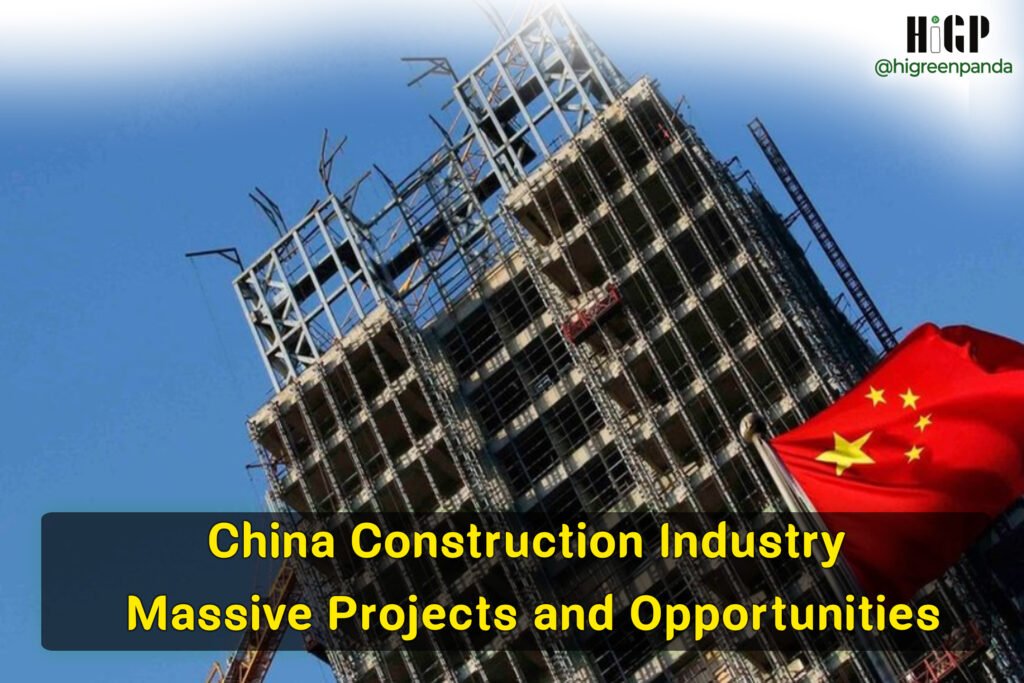
China’s construction industry has long been a cornerstone of economic development, driving infrastructure growth and urbanization on an unprecedented scale. Market Overview: Emerging Trends in China’s Construction Sector: Challenges and Opportunities:
China’s Gaming Industry: Massive Market and Growth Opportunities
China’s gaming industry has grown tremendously in recent years. Free-to-play online games, like Genshin Impact and Wuthering Waves, have millions of players worldwide, while others like Etheria: Restart are preparing for full launch. Individual Game Development Becomes Sustainable in China Chinese developers have historically been hesitant to work on individual games. The challenges of producing paid individual games are enormous, and the popularity of free-to-play games makes this type of game a better commercial prospect. Zhou gives a brief history lesson on how free-to-play games became the standard for many decades: “If you remember, 1995 was a watershed year that saw the birth of the Legend of Sword and Fairy series. Unfortunately, even with the series’ popularity, piracy was so rampant at the time that the individual game market couldn’t really thrive.” Recent Successes:Black Myth: Wukong achieved stunning success, selling 10 million copies in less than a week upon its release in August 2024, and was later judged as Game of the Year at the 2024 Steam Awards. Challenges and Opportunities in a Volatile Market Experts we spoke with agreed that Chinese game developers benefit from unique competitive advantages and struggle with some disadvantages: Advantages: Challenges: Local Government Investment in Game Development Regional policies play a significant role in supporting game development in China. Most games scheduled for release in the country require licensing from the National Press and Publication Administration (NPPA), with key steps including content review and technical compliance. Government Support: Future Trends It’s undeniable that China is the world’s largest video game market. While challenges exist like lack of experience in making individual games and hesitation to risk launch-day revenue, experts remain optimistic. “Increasing entry and growing demand for high-quality content will continue to drive growth,” says Shen, arguing that there’s a brighter future ahead.