Importing from China
Risk Management When Importing from China: A Practical Guide
Cargo held at port, surprise fees, disputes that go nowhere and late deliveries all have causes you can plan for. This guide shows how to vet suppliers, structure payments and contracts, and spread risk.
作者:萨米·哈吉里阅读约需 9 分钟
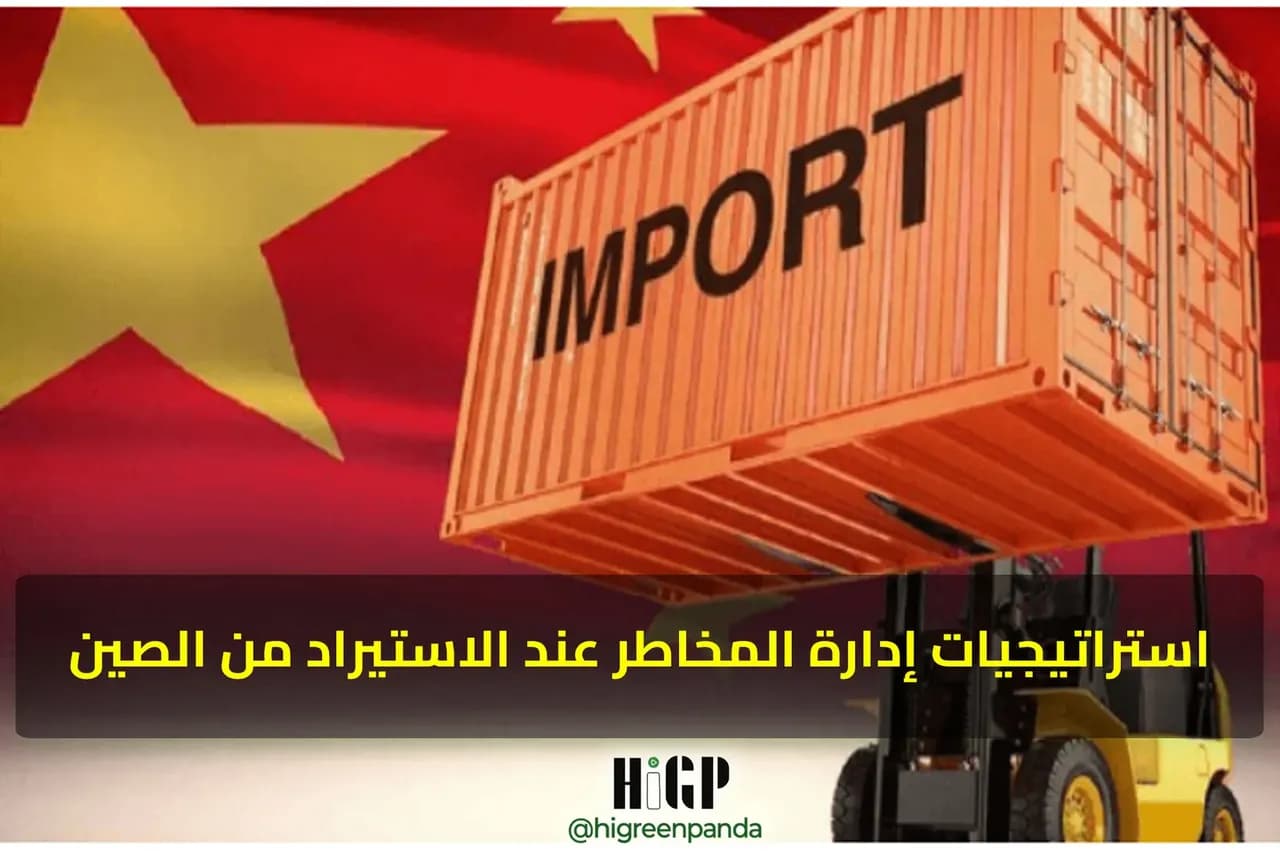
You pay a deposit, production slips, a fee appears that nobody mentioned, and the container sits at the port while your customers wait. Most of these problems have known causes, and good risk management when importing from China deals with them before the order is placed, not after. By the end of this guide you will know where the risks come from, which controls cut them most, and what to put in place for your next order.
Why supply problems with Chinese factories are growing
Cargo detention, sudden charges, unresolved disputes and late delivery rarely come from one bad decision. They usually trace back to pressure on the factory, caution on both sides, and politics well beyond your control. Understanding the pressure helps you read the warning signs early.
Financial strain on factories
Many Chinese factories face real financial pressure: tighter credit, reduced government subsidies, rising labour costs and stronger competition from other manufacturing countries. A factory short of cash may use your deposit to finish someone else's order, cut corners on materials, or close without warning. Signs to watch for include pushing hard for a larger deposit, reluctance to show the production floor, frequent changes of contact person and quoted prices well below every other supplier.
Caution towards foreign buyers
Chinese manufacturers have become more careful with foreign buyers, especially American companies, after years of cancelled orders and payment disputes. For a Gulf importer this caution is usually lower, but it still shows up as stricter payment terms and less flexibility on first orders. The answer is to look like a reliable buyer: clear specifications, prompt payment at agreed milestones, and consistent communication.
Geopolitics and trade tensions
Tension between China and other countries, the United States in particular, has reshaped global supply chains. Tariffs, export controls and sanctions can change freight routes, raise costs and make some components hard to obtain. Even if you only ship to Jeddah, Dubai or Aden, your supplier may depend on parts or shipping lanes affected by these disputes. Our guide to legal challenges in import and export from China covers how rule changes reach ordinary traders.
Check the supplier before you sign anything
Due diligence is the least costly risk control you have. Before you agree terms, confirm that the supplier is financially stable, legally registered and able to make your product at the volume you need. A trading company is not automatically a problem, but you should know whether you are dealing with the factory or a middleman. For labour and environmental checks, see our guide to ethical sourcing from China.
- Ask for the business licence and check the company name, registration number, registered capital and business scope on China's National Enterprise Credit Information Publicity System. The name on the licence must match the name on your contract and the bank account you pay.
- Confirm the business scope covers manufacturing of your product, and ask whether the company has its own export rights or exports through an agent.
- Request references from buyers in your region and contact at least two of them.
- Visit the factory yourself or send an inspector for a factory audit. Check machinery, staff numbers, raw material stock and orders currently on the line.
- Order paid samples, test them against your specification and keep one sealed sample as the reference for mass production.
- Ask for product certificates relevant to your market and verify them with the issuing body, not only from the PDF the supplier sends.
Location matters too. Suppliers cluster by industry, so knowing the main industrial cities in China helps you judge whether a supplier sits in the right hub for your product or is simply reselling.
Contracts and payments that hold up in a dispute
An email chain and a proforma invoice are not a contract. If a dispute arises, you want a written agreement that a Chinese court or arbitration body will actually enforce. That means writing it in both Chinese and English, stating which version prevails, and choosing Chinese law and a dispute forum in China where the supplier's assets are. A judgment from a court at home is often hard to enforce against a factory in Guangdong.
What the contract should cover
- Exact product specification: materials, dimensions, tolerances, colours, packaging and labelling, with drawings or approved samples attached.
- Quantity, unit price, currency (USD or CNY) and the Incoterm, such as FOB Shenzhen or CIF Jebel Ali.
- Production start date, completion date and a penalty for late delivery, for example a percentage of order value per week of delay with a cap.
- Quality standard and the inspection you will carry out before shipment, plus what happens if goods fail.
- Payment schedule linked to milestones, and the named bank account that matches the company on the licence.
- Protection for your designs, moulds and brand: who owns the tooling and a clause forbidding the supplier from selling your product to others.
- Governing law, the language that prevails, and the court or arbitration body that hears disputes.
Bring in legal counsel early
Lawyers who know Chinese law and international trade are worth involving from the start, not after the first dispute. A review of your standard purchase contract costs far less than a failed order. If you plan to sell under your own brand, register the trademark in China before you share designs. For the wider rules that govern foreign buyers, see regulatory compliance challenges for foreign companies in China.
Structure payments around milestones
Paying the full amount upfront puts all the risk on you. Link each payment to something you can verify. A common structure for established suppliers is a 30% deposit and 70% balance, with the balance released only after a pre-shipment inspection passes. On first orders or custom products you may agree a smaller deposit and hold the balance until you receive a copy of the bill of lading.
- Deposit on signing, usually 20% to 30%, to cover raw materials.
- Optional middle payment when production is confirmed complete, after photos and a production check.
- Balance after the inspection report passes, or against shipping documents.
- For large orders, consider a letter of credit through your bank. It costs more in fees and paperwork but ties payment to the documents you specify.
Always pay by bank transfer to the company account named in the contract. Treat any request to pay a personal account or a new account as a red flag and confirm by phone with a contact you already know.
Spread your risk across suppliers and regions
Relying on one factory means one fire, one bankruptcy or one lockdown can stop your business. Diversifying does not mean splitting every order in half. Start by qualifying a second supplier for your top-selling products, ideally in a different city or province, and give it a small trial order so it knows your standards.
Alternative sourcing outside China
Some importers reduce dependence on China by sourcing part of their range elsewhere. For a Gulf buyer, near-shoring may mean suppliers in Turkey, Egypt or India, and re-shoring may mean local production in the Gulf for simple or bulky goods. These options rarely match China on range and speed, so compare landed cost, lead time and minimum order quantity (MOQ) before moving volume. A balanced approach often keeps China for most products and a backup source for critical ones.
Watch quality and performance after the order
Risk does not end when the contract is signed. Regular checks of supplier performance catch problems while they can still be fixed. Track on-time delivery, defect rate, response time to questions and how the supplier handles complaints.
- Agree an inspection plan before production starts: during production for large or custom orders, and a final pre-shipment inspection for every order.
- Use an independent inspector who reports to you, not to the factory.
- Record each order's results in a simple scorecard and review it before placing the next order.
- Repeat a full factory audit every 12 to 24 months, or sooner if quality slips.
Our article on quality inspection in China before shipment explains the inspection levels and what an inspector checks.
Insurance and relationships as a safety net
Cargo and supply chain insurance
Marine cargo insurance covers loss or damage in transit. Check who arranges it under your Incoterm: under FOB you normally insure the goods yourself, while under CIF the seller buys minimum cover that may not be enough. Broader supply chain or trade credit insurance can cover supplier default or delay. Premiums depend on cargo type, route and value, so ask two or three insurers in your country for quotes and read the exclusions.
Guanxi: relationships still matter
Chinese business culture places high value on relationships, or guanxi. A supplier who knows and trusts you will warn you about delays, hold capacity for you in peak season and settle small issues without a fight. Visit when you can, pay on time, and keep the same contact person over time. Read more on building strong relationships in the Chinese business environment.
Common mistakes that expose importers
- Paying 100% upfront to a new supplier because the price looked good.
- Paying into an account whose name does not match the business licence.
- Relying on WhatsApp messages instead of a signed bilingual contract.
- Skipping the pre-shipment inspection to save time, then finding defects at home.
- Not checking whether the product needs certification in your country, such as registration on Saudi Arabia's SABER platform, before goods ship.
- Leaving insurance to the seller under CIF without checking the cover.
- Depending on a single factory for a best-selling product.
What to do this week
Pick your most important supplier and run the checks above. Verify its business licence, compare the licence name with the bank account you pay, and read your current contract for payment terms, inspection rights and dispute clauses. Book a pre-shipment inspection for your next order and ask your insurer for a cargo quote. Then identify one product where a second supplier would protect you, and request samples. If you would rather have a team in Shenzhen and Shanghai handle vetting, inspection and shipping for you, HiGreenPanda offers full import process management.
本文解答的问题
How do I reduce risk when importing from China?
Start with due diligence on the supplier, including its business licence, a factory audit and paid samples. Sign a bilingual contract that a Chinese court or arbitration body can enforce, and pay in stages tied to production and inspection. Add cargo insurance and a second supplier for key products.
What payment terms are safest with Chinese suppliers?
A common structure is a 20% to 30% deposit with the balance paid after a pre-shipment inspection passes or against shipping documents. For large orders a letter of credit ties payment to documents but costs more in fees. Always pay the company account named on the business licence.
Should my contract with a Chinese supplier be in Chinese?
Yes. Write it in Chinese and English and state which version prevails. Choosing Chinese law and a court or arbitration body in China makes the contract easier to enforce, because the supplier's assets are there.
How can I check if a Chinese supplier is real?
Ask for the business licence and check it on China's National Enterprise Credit Information Publicity System. Confirm the name, registration number and business scope, and make sure they match your contract and bank details. A factory audit or visit confirms the supplier can actually produce your goods.
Do I need insurance when importing from China?
Cargo insurance is strongly advisable because it covers loss or damage in transit. Under FOB you normally arrange it yourself, while under CIF the seller buys cover that may be minimal. Compare quotes from insurers at home and read the exclusions.
HiGreen Panda Marketing