Company formation in China
How to Set Up a Factory in China: Steps from A to Z
Thinking of owning production rather than buying from suppliers? Follow the steps to set up a factory in China, from feasibility and location to company registration, licences, hiring and supply chain.
作者:萨米·哈吉里阅读约需 8 分钟
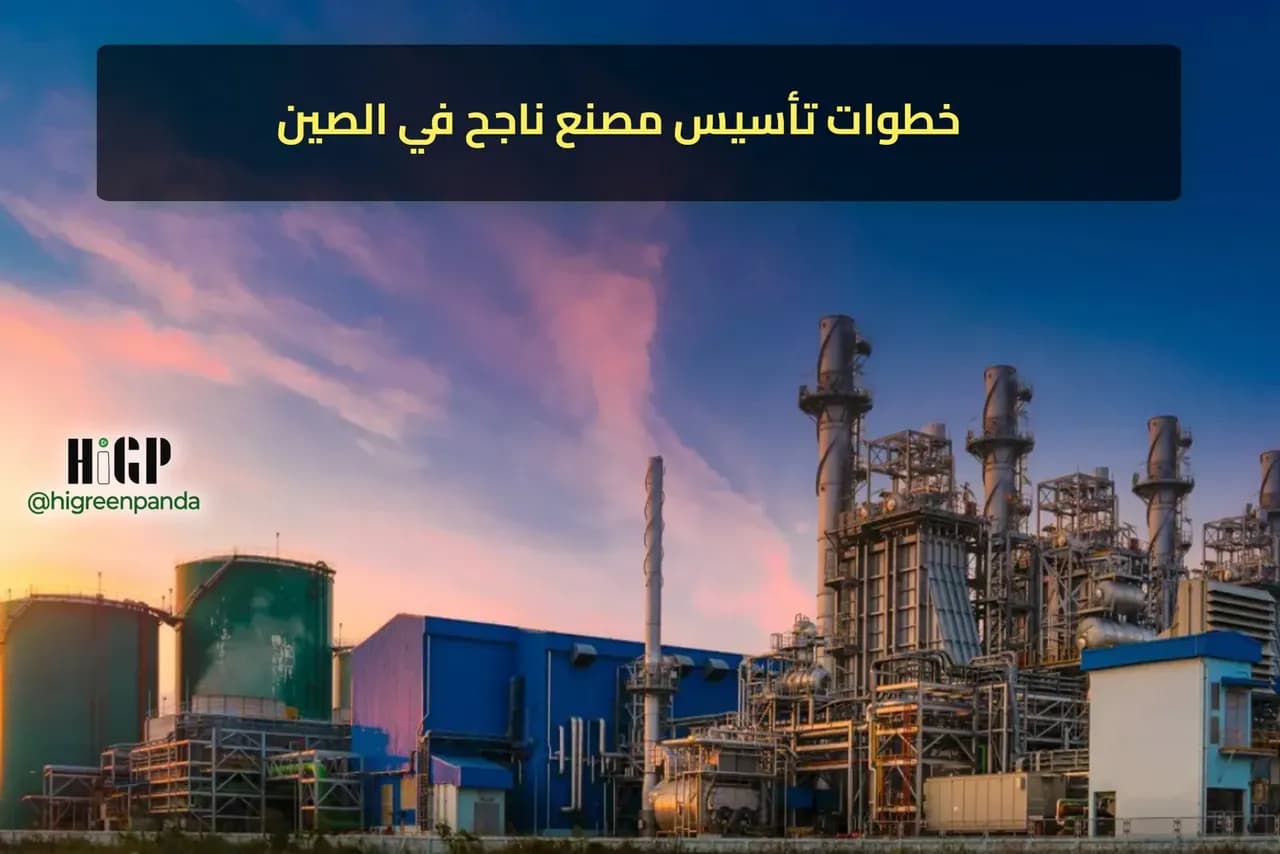
You buy enough from China that owning production has started to look better than paying a supplier's margin and fighting over quality. To set up a factory in China you can draw on strong industrial infrastructure, integrated supply chains and a skilled workforce, but only with careful planning and a clear grasp of the legal and administrative steps. By the end of this guide you will know whether a factory makes sense for you, the steps in order, the licences involved and the mistakes that cost foreign owners the most time.
Should you build a factory at all?
Owning a factory gives you control over quality, cost and intellectual property. It also makes you responsible for land, machinery, workers, safety and environmental compliance in a country whose rules you may not know well. Many importers get most of the benefit through contract manufacturing or a trading company that manages several factories. Our articles on opportunities in China's manufacturing sector and how to establish a successful trading company in China compare those routes.
A factory of your own usually makes sense when:
- Your volumes are steady and large enough to keep a production line busy most of the year.
- Your product or process is proprietary and you do not want it in a supplier's hands.
- Suppliers keep missing your quality standard despite inspections and clear specifications.
- You plan to sell inside China as well as export, so local production also serves a local market.
- You can commit a manager, ideally someone you trust, to be on site for the first 12 months.
Plan first: product, volume and feasibility
Define the factory type and product
Before any paperwork, decide exactly what you will make and how much. The product and expected volume set everything else: floor area, ceiling height and floor loading, power supply, equipment list, number of workers and which licences you need. Write a one-page specification with monthly output, the main processes and the machines each process needs.
Run a feasibility study
A full feasibility study tests whether the project pays. It should cover:
- Market analysis: who will buy the output, in which markets, at what price.
- Production costs: materials, labour, energy, rent, depreciation of equipment, and logistics to the port.
- Projected revenue for the first 3 years under cautious and expected scenarios.
- Capital needed: registered capital, equipment, fit-out and working capital until sales cover costs.
- Risks: price swings in raw materials, labour turnover, tariff changes in your destination markets, and the cost of delays.
- The comparison case: what the same output would cost from your best current supplier.
Choose the right location
Location is one of the most important decisions, and it is hard to reverse. Weigh these factors:
- Proximity to suppliers: clusters matter. Guangdong is strong in electronics and consumer goods; Zhejiang and Jiangsu in textiles, hardware and machinery. Being inside a cluster shortens lead times for parts.
- Access to ports and transport: check the distance and trucking time to the port you will ship from, and rail links if you use them.
- Labour availability: how easy it is to hire and keep workers with the skills you need.
- Rent and land costs: coastal industrial parks cost more; inland provinces are often lower.
- Local government policy: industrial parks compete for investors with rent support, faster approvals and tax incentives. Get any promise in writing.
- Environmental zoning: some processes, such as plating, dyeing or chemical work, are only allowed in designated parks.
Register the company and obtain licences
Most foreign-owned factories are set up as a wholly foreign-owned enterprise (WFOE), which you control fully. A joint venture with a Chinese partner can help if the partner brings land, licences or customers, but agree control, profit and exit terms in writing. The main steps are:
- Check that your activity is open to foreign investment under the current negative list.
- Secure a site, or at least a signed letter of intent, because registration needs an address and some approvals depend on the location.
- Prepare documents: investors' passports or company certificates (notarised and apostilled or legalised), articles of association and a carefully drafted business scope that includes manufacturing your product.
- Register with the local market regulation bureau to receive the business licence.
- Carve company seals, register for tax, open a basic RMB bank account and a foreign currency capital account.
- Register with customs if you will import equipment or materials, or export finished goods.
- Apply for the operating approvals your factory needs, described below, before production starts.
Licences and approvals to expect
Depending on the product and site, you will deal with several agencies. Typical approvals include construction permits if you build, an environmental impact assessment approval and pollutant discharge permit, fire safety acceptance, work safety approvals, and a production licence where your product falls in a regulated category such as food, some electrical goods or pressure equipment. If you will sell inside China, check whether your product needs CCC certification. Ask the industrial park which approvals apply; they deal with them every week.
Equip, staff and supply the factory
Build or lease, then equip
Once approvals are in place you can build or lease a building and install machinery. Leasing an existing standard factory is faster and ties up less capital; building gives you a layout designed for your process but takes much longer. Industrial land is held as a land use right for a fixed term rather than owned outright. The building and equipment must meet technical, health and environmental standards, and imported machinery needs customs declaration and, in some cases, inspection. As a planning range, a leased and fitted factory can start production in about 4 to 8 months; a new build often takes 12 to 24 months. Approvals, equipment lead times and the condition of the building move these figures.
Recruit and manage the workforce
A skilled, trained workforce is essential. Follow Chinese labour law from day one: sign a written contract with each employee within one month of hiring, pay at least the local minimum wage, keep to legal working hours and overtime limits, and pay social insurance and housing fund contributions. Provide a safe working environment and proper training. If foreign managers will work on site, they need work permits and residence permits; our article on work permits and social security for foreigners explains how these link together.
Build the supply chain
Build strong relationships with local suppliers of raw materials and components, and make sure quality and delivery are reliable. Qualify at least two suppliers for each critical input, agree specifications and incoming inspection rules in writing, and keep a safety stock while relationships are new. Use secure payment terms with new suppliers; see our guide to safe payment strategies with Chinese suppliers.
Stay compliant once production starts
Opening day is not the end of the paperwork. The company must file tax returns every month or quarter, submit an annual report to the market regulator, keep its environmental monitoring records and permits current, and renew any production licence before it expires. Budget for an accountant from the first month (see how to choose an accounting firm in China), and give one person responsibility for a compliance calendar covering every filing and renewal date.
HiGreenPanda supports clients through company formation in China, factory setup, supplier sourcing and import management from its Shenzhen and Shanghai offices.
Common mistakes when setting up a factory in China
- Signing a lease before confirming that the site's zoning and environmental rules allow your process.
- Writing a business scope that leaves out manufacturing or a key product, which forces a licence amendment later.
- Relying on verbal promises from an industrial park about rent support or tax incentives.
- Underestimating working capital; the first months of production rarely run at full output.
- Hiring without written contracts or social insurance, which leads to claims and penalties.
- Leaving the factory without a trusted manager on site during ramp-up.
- Skipping the comparison with contract manufacturing, and building capacity you do not need.
What to do this week
- Write the one-page product and volume specification: what you will make, monthly output and main processes.
- Get a current quote from your best existing supplier for the same output, to use as the comparison case.
- Draft a simple feasibility sheet with capital, running costs and 3-year revenue under two scenarios.
- Shortlist two provinces or industrial clusters that match your product and your shipping port.
- Check the negative list and ask one industrial park which approvals your process would need.
本文解答的问题
Can a foreigner set up a factory in China?
Yes. Most foreign investors set up a factory as a wholly foreign-owned enterprise (WFOE), which they fully control, or as a joint venture with a Chinese partner. First check that your activity is open to foreign investment under the current negative list.
How long does it take to set up a factory in China?
As a planning range, a leased and fitted factory can start production in about 4 to 8 months, while building a new one often takes 12 to 24 months. Approvals, equipment lead times and the site's condition decide where you fall in that range.
What licences does a factory in China need?
Typical approvals include a business licence, construction permits if you build, environmental impact assessment approval and a discharge permit, fire safety acceptance and work safety approvals. Some regulated products also need a production licence, and goods sold in China may need CCC certification.
Is it better to build a factory or use contract manufacturing in China?
Contract manufacturing needs less capital and less management time, and it suits most importers. Your own factory makes more sense when volumes are steady and large, your process is proprietary, or suppliers cannot meet your quality standard.
Where is the best place to set up a factory in China?
It depends on your product. Choose a location near the relevant industrial cluster and your shipping port, with available skilled labour and suitable environmental zoning. Inland provinces often offer lower costs and incentives, but check logistics times to the port.
HiGreen Panda Marketing