Trade fairs
Trade Fairs in China: How to Find Products and Suppliers
Which trade fairs in China are worth your trip, how to prepare, what to ask at the booth and how to follow up so a few days in the exhibition halls turn into reliable suppliers and real orders.
作者:萨米·哈吉里阅读约需 9 分钟
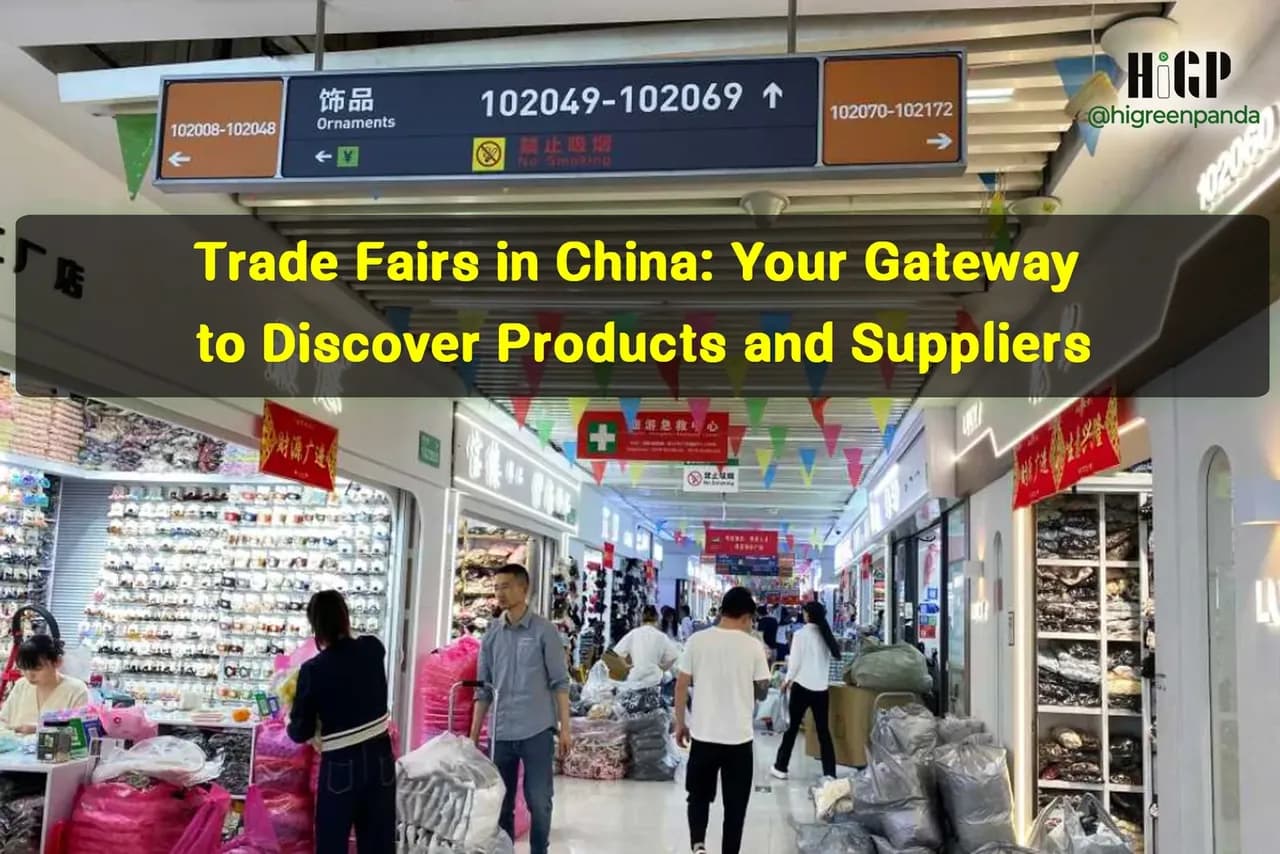
Finding suppliers online is slow, and you never quite know whether the company behind the website is a factory or a middleman. Trade fairs in China let you see products, meet sales teams and compare dozens of suppliers in a few days. They can also be exhausting and unproductive if you arrive without a plan. This guide covers the fairs that matter most for importers, how to prepare, what to do on the floor and how to follow up afterwards.
Why trade fairs are worth the trip
China hosts a very large number of comprehensive and specialised trade fairs every year. They are more than places to display products. At a good fair you can:
- See and handle products, compare finishes and packaging, and spot the latest designs before they reach your market.
- Meet suppliers face to face, which builds trust faster than months of messages.
- Negotiate prices, minimum order quantities (MOQ) and terms directly with the people who decide them.
- Compare many suppliers of the same product in one hall on the same day.
- Learn about new materials, technology and trends in your sector.
For importers, a well-planned fair visit is one of the most efficient ways to build a supplier base.
The main trade fairs in China
Canton Fair (China Import and Export Fair)
The Canton Fair, officially the China Import and Export Fair, is the largest and oldest trade fair in China. It is held twice a year in Guangzhou, in spring and autumn, and attracts hundreds of thousands of buyers from around the world. Each session runs in three phases, and each phase covers different product groups, from electronics, home appliances and industrial machinery to consumer goods, textiles and garments. Check the official Canton Fair website for the current dates and which products appear in which phase; our guide to the Canton Fair's dates, phases and essential tips sets this out in detail.
Specialised exhibitions
Beyond the Canton Fair, China hosts many sector fairs. They are smaller but usually deeper in their field, and you are more likely to meet specialist manufacturers.
- Auto Shanghai: one of the largest motor shows in the world, showing the latest vehicles and automotive technology. It alternates years with the Beijing motor show.
- Intertextile Shanghai Apparel Fabrics: a leading exhibition for fabrics and the textile and fashion industry.
- China International Medical Equipment Fair (CMEF): focused on medical devices and equipment. Medical products need registration in most Gulf markets, so bring your regulatory requirements with you.
- China International Import Expo (CIIE): held in Shanghai, it focuses on products and services imported into China. It suits Arab companies that want to sell into the Chinese market rather than buy from it.
Other sectors have their own fairs, for example furniture, building materials, lighting, packaging and small commodities in Yiwu. Search the organiser's official website for dates and venue, since both can change from year to year.
Canton Fair or a specialised fair: which suits you?
The right fair depends on how clearly you know what you want to buy.
When the Canton Fair makes sense
Choose the Canton Fair if you are still exploring product ideas, want to compare many categories in one trip, or buy a mixed range of consumer goods. Its size is its strength: thousands of exhibitors in one venue. The trade-off is that many booths are held by trading companies, and the most specialised manufacturers sometimes prefer their own sector fairs.
When a specialised fair is better
Choose a sector fair if you already know your product and want depth: more manufacturers of the same item, more technical staff on the booths and newer designs. Sector fairs are also useful when you need suppliers who understand specific standards, such as medical devices, automotive parts or technical fabrics.
Combining a fair with factory visits
Many experienced buyers use the fair for two or three days to meet suppliers, then spend the rest of the week visiting the most promising factories in nearby cities. Guangzhou is close to the factory clusters of Foshan, Dongguan and Shenzhen (home of the Huaqiangbei electronics market), and Shanghai is within easy reach of Suzhou, Hangzhou, Ningbo and Yiwu. If you cannot travel, online and virtual fairs offer a partial alternative, and good sourcing platforms can fill the gaps; our guide on how to find reliable suppliers in China covers the options.
How to prepare for a trade fair in China
- Define your objectives. Write down the products you want, target prices, quantities and the number of suppliers you want to shortlist. A clear aim such as three qualified suppliers for one product line is easier to achieve than looking around.
- Choose the right fair and phase. Check which fair and which phase covers your product. Arriving in the wrong phase of the Canton Fair means travelling for nothing.
- Research exhibitors in advance. Review exhibitor lists on the fair's website, mark companies of interest and look them up online. Note their hall and booth numbers.
- Register and arrange your visa. Many fairs require pre-registration and a buyer badge. Visa rules for Gulf and Arab citizens differ by country and have changed several times recently: some can enter visa-free for short stays, while others need a business (M) visa with an invitation letter. Check the Chinese embassy website in your country at least 6 to 8 weeks before travel.
- Book accommodation early. Hotels near major venues fill quickly and prices rise during large fairs.
- Plan your route. Large fairs cover many halls. Map the booths you want to visit, group them by hall and allow time for unplanned discoveries.
- Prepare business cards and materials. Business cards are still important in China. Bring plenty, ideally in English and Chinese, along with product specifications and photos of what you want.
- Arrange language support. Many sales staff speak some English, but technical and price negotiations go better with an interpreter if you do not speak Chinese.
Making the most of your time at the fair
Build relationships
Relationships, known in China as guanxi, matter in business. Exchange cards, be friendly and respectful, and take time with suppliers who look promising. A good first impression can mean better prices, priority in production and help when something goes wrong later.
Ask the right questions
Keep the same set of questions for every supplier so you can compare answers afterwards:
- Are you the factory or a trading company, and where is the factory located?
- What is your monthly production capacity for this product?
- What is the MOQ, and can it be lowered for a first order?
- Which quality standards and factory certifications do you hold? Ask for copies.
- Have you exported to my country, and can you supply the certificates and documents required there?
- What are your payment terms, lead time and delivery terms (for example FOB)?
- Can you provide samples, and at what cost?
Request samples
If a product interests you, ask for samples to assess quality before committing to a large order. Booth samples are often specially finished, so ask for a sample from normal production where possible.
Record everything
Keep accurate records of the companies you visit, the products you liked, the prices quoted and the contact person. Photograph the booth, the product and the business card together, and add a short note the same evening while your memory is fresh. After three days and 50 booths, suppliers blur together.
For price discussions on the floor, our article on negotiation strategies with suppliers at the Canton Fair gives practical tactics.
Following up after the fair
Communication must not stop when the fair ends. Most of the value of a fair visit comes from what you do in the following two weeks.
- Send a thank-you message to each supplier of interest within a few days, with a reminder of what you discussed.
- Send your specifications and ask for a written quotation on the same terms from each shortlisted supplier.
- Check each company's business licence to confirm its name, address and business scope.
- Order and compare samples before placing an order.
- Visit the factories of your top two or three suppliers, or arrange an audit.
- Agree payment terms that protect you, and never pay to a personal account.
Our guide on how to turn your Canton Fair visit into real deals covers follow-up in more depth.
Common mistakes at Chinese trade fairs
- Arriving without a product list or target prices and spending the days browsing.
- Visiting the wrong phase or the wrong fair for your product.
- Assuming every exhibitor is a factory. Many are trading companies, which can be useful but add a margin.
- Judging quality from booth samples alone.
- Paying a deposit at the fair before checking the company, its licence and its bank details. Our article on safe payment strategies with Chinese suppliers explains how to avoid fraud.
- Collecting dozens of business cards and never following up.
What to do next
This week, choose the next fair and phase that match your product, check the visa rules for your nationality on the Chinese embassy website, register for your free Canton Fair invitation, and start a shortlist of 10 to 15 exhibitors from the fair's exhibitor list. Write down your specifications, target prices and quantities so you can share them at every booth. If you would like someone with you on the floor for translation, supplier checks and meetings, HiGreenPanda provides this through its trade fair accompaniment service.
本文解答的问题
What is the biggest trade fair in China?
The Canton Fair, officially the China Import and Export Fair, is the largest and oldest trade fair in China. It is held twice a year in Guangzhou, in spring and autumn, in three phases covering different product groups, and attracts hundreds of thousands of buyers from around the world.
Do I need a visa to visit a trade fair in China?
It depends on your nationality. Some Gulf and Arab citizens can currently enter China visa-free for short stays, while others need a business (M) visa, usually with an invitation letter. Rules have changed several times recently, so check the Chinese embassy website in your country before booking.
How do I prepare for the Canton Fair?
Define the products and target prices you want, check which phase covers your product, pre-register as a buyer and review the exhibitor list to mark booths of interest. Book accommodation early, bring bilingual business cards and arrange an interpreter if you do not speak Chinese.
What should I ask suppliers at a trade fair?
Ask whether they are a factory or trader, their production capacity, MOQ, quality certifications, export experience to your country, payment terms, lead time and delivery terms. Ask for samples and keep the same questions for every supplier so you can compare answers.
What is the China International Import Expo?
The CIIE is an exhibition held in Shanghai that focuses on products and services imported into China. It is aimed at foreign companies that want to sell into the Chinese market, so it suits Arab exporters rather than buyers sourcing from China.
HiGreen Panda Marketing