Trade fairs
Annual Meeting of the New Champions 2025: What Importers Should Know
The World Economic Forum's 16th Annual Meeting of the New Champions met in Tianjin in June 2025. Here is who attended, the five themes, the reports launched, and what they mean for your sourcing plans.
作者:萨米·哈吉里阅读约需 9 分钟
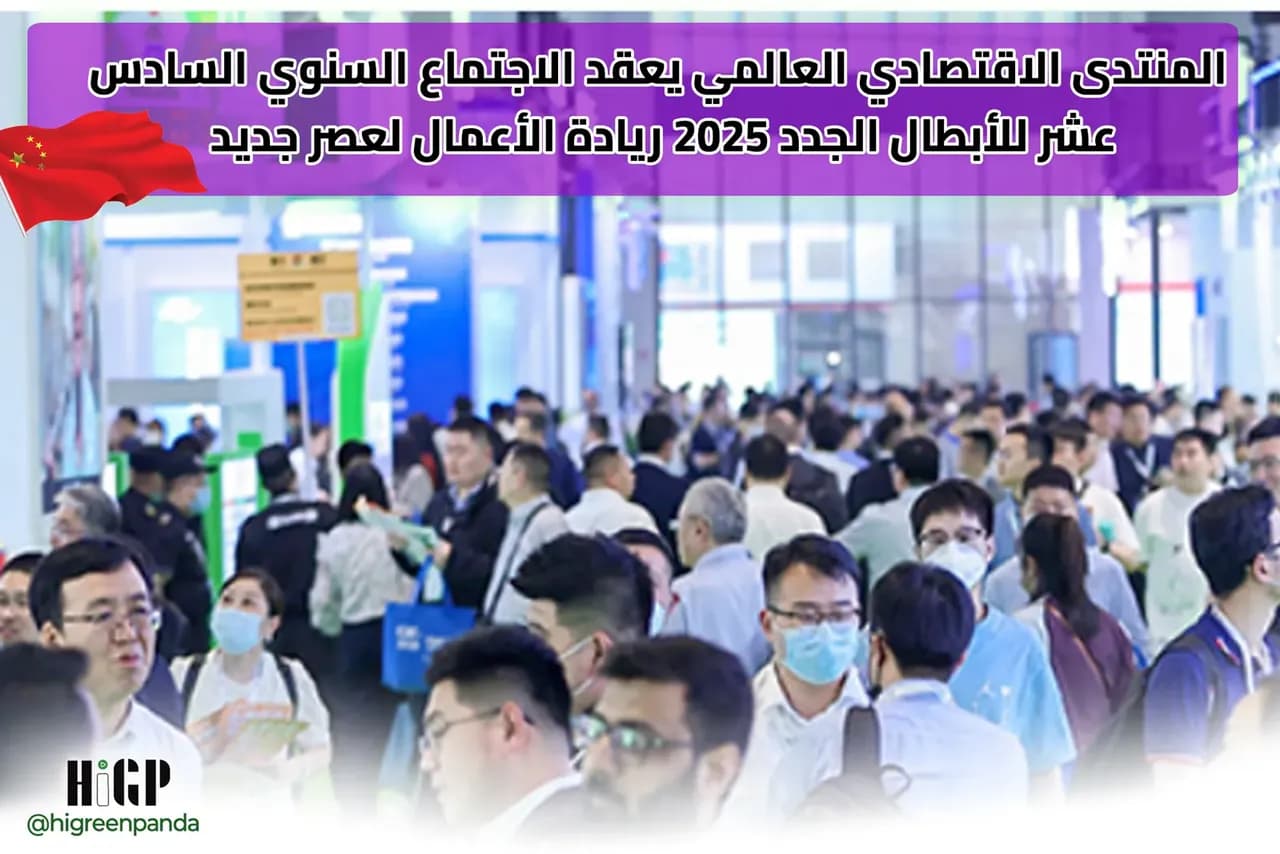
If you import from China, you hear about “Summer Davos” every June and may wonder whether any of it touches your orders. The World Economic Forum's 16th Annual Meeting of the New Champions (AMNC 2025) met in Tianjin from 24 to 26 June 2025 under the theme “Entrepreneurship for a New Era”. By the end of this guide you will know what was discussed, who attended, which reports came out of it, and how to turn the headlines into practical sourcing decisions.
What is the Annual Meeting of the New Champions?
The AMNC is the World Economic Forum's main annual event in China. It is often called Summer Davos to distinguish it from the Forum's January meeting in Davos, Switzerland. It has traditionally alternated between two northern port cities, Tianjin and Dalian. The 2025 edition was the 16th meeting and took place in Tianjin, on Bohai Bay.
Attendance is by invitation. Participants are heads of state and government, business leaders, civil society representatives, international organisations, media and academics. It is a policy and strategy forum, not a trade fair: there are no supplier booths and no orders written on the floor. Its value to you is as a signal of where Chinese policy and large Chinese companies are heading, and therefore where supplier capacity and competition are likely to grow.
The 2025 meeting in figures
- Dates and place: 24–26 June 2025, Tianjin, People's Republic of China.
- Theme: Entrepreneurship for a New Era.
- Participants: more than 1,700 from over 90 countries.
- Political leaders: more than 144 high-level leaders from around 30 countries and regions, including 40 ministers.
- Co-chairs: 11 global leaders from government and the private sector chaired key sessions.
- Public access: over 40 sessions were livestreamed, including the opening plenary and discussions on trade, geopolitics and artificial intelligence.
The programme's stated aim was practical: how to scale new technologies, build new business models and strengthen international partnerships, with particular attention to emerging markets, especially China and the rest of Asia. That focus on emerging markets is what makes this meeting more relevant to Gulf traders than the Davos meeting in January.
What the organisers and hosts said
Børge Brende, President of the World Economic Forum, framed the meeting around joint solutions. His point was that the global economy is changing deeply, the challenges are interconnected, and the Forum had brought together a varied group of leaders to look for entrepreneurial approaches that can build sustainable economies.
Chen Shuai, Deputy Director-General at China's National Development and Reform Commission (NDRC), restated China's commitment to supporting the Forum and hosting Summer Davos. He pointed to the country's progress on high-quality development and on opening further to the world. The NDRC is China's main economic planning body, so its messaging is worth noting when you plan supplier relationships that will run for several years.
Li Wenhai, Vice Mayor of Tianjin, said the meeting had given fresh insight and momentum to stable global growth, and described Tianjin as welcoming leaders to Bohai Bay for forward-looking dialogue.
Who attended, and why the Arab presence matters
Among the leaders who chaired key sessions were two ministers from the Arab world and the heads of three major Chinese companies:
- Rania Al-Mashat, Minister of Planning, Economic Development and International Cooperation, Egypt
- Noor Ali Alkhulaif, Minister of Sustainable Development, Bahrain
- Richard Liu Qiangdong, Founder and Chairman, JD.com, China
- Li Dongsheng, Chairman, TCL, China
- Dai Houliang, Chairman, CNPC, China
They were joined by chief executives and senior managers of global corporations and institutions. The Egyptian and Bahraini seats show that Arab governments are in the room when China's economic partnerships are discussed. The Chinese names matter too. JD.com is one of China's largest e-commerce and logistics groups. TCL makes televisions and home appliances sold across the Gulf. CNPC is China's largest state oil and gas company. If you trade in electronics, appliances or energy-related goods, what these firms say about their plans is a useful indicator of pricing and capacity. For the wider picture, read our article on bilateral trade between China and Arab countries.
The five themes of AMNC 2025
The programme was built on five pillars. Each one has a practical reading for someone who buys from China.
Decoding the global economy
Sessions examined projected global growth of 2.8% in 2025 and the role of innovation as a new source of growth. Growth below 3% means cautious demand in many markets. For you, that argues for smaller trial orders, tighter stock control and negotiating lower MOQs, rather than committing to large volumes on optimistic forecasts. Our article on China as a driving force for the global economy covers the longer outlook.
China's economic outlook
This track assessed China's technology-driven development model and its leading sectors. Where the state and large companies invest, factory numbers and competition tend to follow. In categories with strong policy backing, buyers usually get more choice of suppliers and more room to negotiate, but also more new factories with short track records. Check the business licence and export history of any new supplier.
Transforming industries
Discussions covered how industries adapt to technological, geopolitical and environmental shifts. On the factory floor this shows up as automation, some production moving to other locations, and material changes to meet environmental rules in export markets. Ask your suppliers directly whether any of this will affect their lead times or product specifications in the next 12 months.
Investing in people and planet
This pillar focused on speeding up progress on the UN Sustainable Development Goals through partnerships between governments, companies and civil society. Buyers feel this through growing requests for documentation on material origin, energy use and labour standards. If you supply large retailers or government projects in the Gulf, expect more of these questions and ask suppliers for the papers early.
Energy and new materials
The final pillar addressed how to secure energy and essential materials for sustainable growth. Solar panels, batteries, electric vehicle parts and new materials are areas where Chinese manufacturers have scale. They are also areas where product standards and certification in your market matter most, so confirm requirements with your national standards body or customs authority before you place an order.
Which reports were launched at the meeting?
The Forum released several reports during the meeting. They can be read on the World Economic Forum website and are worth an hour of your time if you work in the sectors they cover. Use this list to decide which one to read first:
- Energy Transition Index 2025: compares countries on the state of their energy systems and their readiness for transition. Read it if you import solar, storage or energy-efficient equipment.
- Top 10 Emerging Technologies: the Forum's yearly list of technologies it expects to have real impact in the coming years. Read it to spot product categories early and to know which marketing claims to question.
- Future of Global FinTech Report: covers how financial technology is changing. Read it for context on cross-border payments; our article on the role of digital currencies in cross-border trade explains what this means when you pay Chinese suppliers.
How to turn Summer Davos headlines into sourcing decisions
Forum news is only useful if it changes something you do. Work through these steps once after each meeting:
- Pick the one or two themes that match your product lines, for example energy and new materials if you import solar equipment, or transforming industries if you import machinery.
- Read the summary of the relevant report and note any product categories, technologies or countries it names.
- Compare those notes with what your current suppliers make. Ask them in writing about planned capacity, expected price changes and any new certifications.
- Check your own market: import duties, product standards and any conformity certificate your customs authority requires for the category.
- Test demand with samples or a small first order before committing to full 20ft or 40ft container volumes.
- Meet shortlisted suppliers in person at a trade fair, where you can compare dozens of factories in one visit. The Canton Fair in Guangzhou runs twice a year; our Canton Fair guide to dates, phases and tips explains how to plan it.
- Review your plan every six months, because forecasts such as the 2.8% growth figure are revised as conditions change.
Common mistakes when reading forum news
- Treating the AMNC as a trade fair. You will not find suppliers or price lists there, and you cannot simply buy a ticket.
- Confusing Summer Davos with the January meeting in Davos. They are separate events, and the China meeting leans towards Asia and emerging markets.
- Acting on a single forecast. A 2.8% global growth projection is an estimate, not a measure of demand in your own market.
- Assuming a policy priority means immediate price falls. New capacity takes time to build, and early production runs can have quality problems, so inspect goods before shipment.
- Ignoring what your own government signs. Egyptian and Bahraini ministers chaired sessions in 2025; agreements between Arab states and China can change duties, standards and procedures for your goods.
What to do next
This week, read the summary of the one WEF report closest to your business and write down three points that touch your products. Then send your top two suppliers a short written question: what changes do they expect in price, lead time or specification over the next 12 months? Finally, check the next Canton Fair session dates on the official fair website and decide whether you will attend or send someone. If you cannot travel, virtual trade fairs in China are a useful alternative.
If you would rather have someone in China shortlist and visit factories before you commit, HiGreenPanda handles product sourcing on the ground from Shenzhen and Shanghai.
本文解答的问题
What is the Annual Meeting of the New Champions?
It is the World Economic Forum's annual meeting in China, widely known as Summer Davos. It has traditionally alternated between Tianjin and Dalian. The 16th meeting, AMNC 2025, took place in Tianjin under the theme “Entrepreneurship for a New Era”.
When and where was Summer Davos 2025 held?
Summer Davos 2025 was held in Tianjin, China, from 24 to 26 June 2025. It brought together more than 1,700 participants from over 90 countries, including more than 144 high-level political leaders and 40 ministers.
Can an importer attend Summer Davos?
Participation is by invitation from the World Economic Forum, so you cannot simply register as a visitor. More than 40 sessions in 2025 were livestreamed, so you can follow the discussions online. To meet suppliers in person, a trade fair such as the Canton Fair in Guangzhou is the right event.
What reports were launched at AMNC 2025?
The Forum launched several reports during the meeting, including the Energy Transition Index 2025, the Top 10 Emerging Technologies and the Future of Global FinTech Report. They are published on the World Economic Forum website.
What were the main themes of AMNC 2025?
The programme had five pillars: decoding the global economy, China's economic outlook, transforming industries, investing in people and planet, and energy and new materials. Sessions discussed projected global growth of 2.8% in 2025 and innovation as a new growth driver.
HiGreen Panda Marketing