Trade fairs
Virtual Trade Fairs in China: How to Use Them to Find Suppliers
China's major trade fairs now run online and hybrid platforms alongside their halls. Here is how the main fairs compare, what virtual fairs do well, and how to turn an online contact into a checked supplier.
作者:萨米·哈吉里阅读约需 8 分钟
Flying to Guangzhou twice a year costs time and money, and you are not always sure the trip will produce a single reliable supplier. China's large fairs now offer online and hybrid options, but a supplier who looks polished on screen can still let you down. Virtual trade fairs in China can widen your search and cut costs if you use them with a plan. By the end of this guide you will know which fairs matter, what the online versions do well and badly, and how to turn an online contact into a supplier you can trust with an order.
The main trade fairs in China and when they run
China hosts some of the largest trade fairs in the world, drawing very large numbers of buyers, suppliers and industry professionals. They are still the fastest way to compare many suppliers in one place. Five stand out for importers. Dates shift slightly each year, so confirm them on each fair's official website before you plan travel or online sessions.
Canton Fair (China Import and Export Fair), Guangzhou
Held twice a year in spring (April to May) and autumn (October to November), in phases by product group. It covers almost every industry, including electronics, textiles, home appliances, machinery and consumer goods, and is the largest trade fair in China. Its online platform runs alongside the physical fair. Our guide to the Canton Fair 2025 dates and phases explains which phase suits which products.
China International Industry Fair (CIIF), Shanghai
Held in September. It focuses on robotics, automation, industrial equipment and smart manufacturing, and is the best choice if you are sourcing machinery or equipping a factory.
China Hi-Tech Fair (CHTF), Shenzhen
Held in November. It is China's largest technology fair, covering AI, 5G, the Internet of Things, medical technology and renewable energy. Useful if you import technology products or look for technology partners.
Global Sources trade shows, Hong Kong
Held in April and October. They cover consumer electronics, fashion and home products, and suit private-label buyers and e-commerce sellers who want smaller, flexible orders.
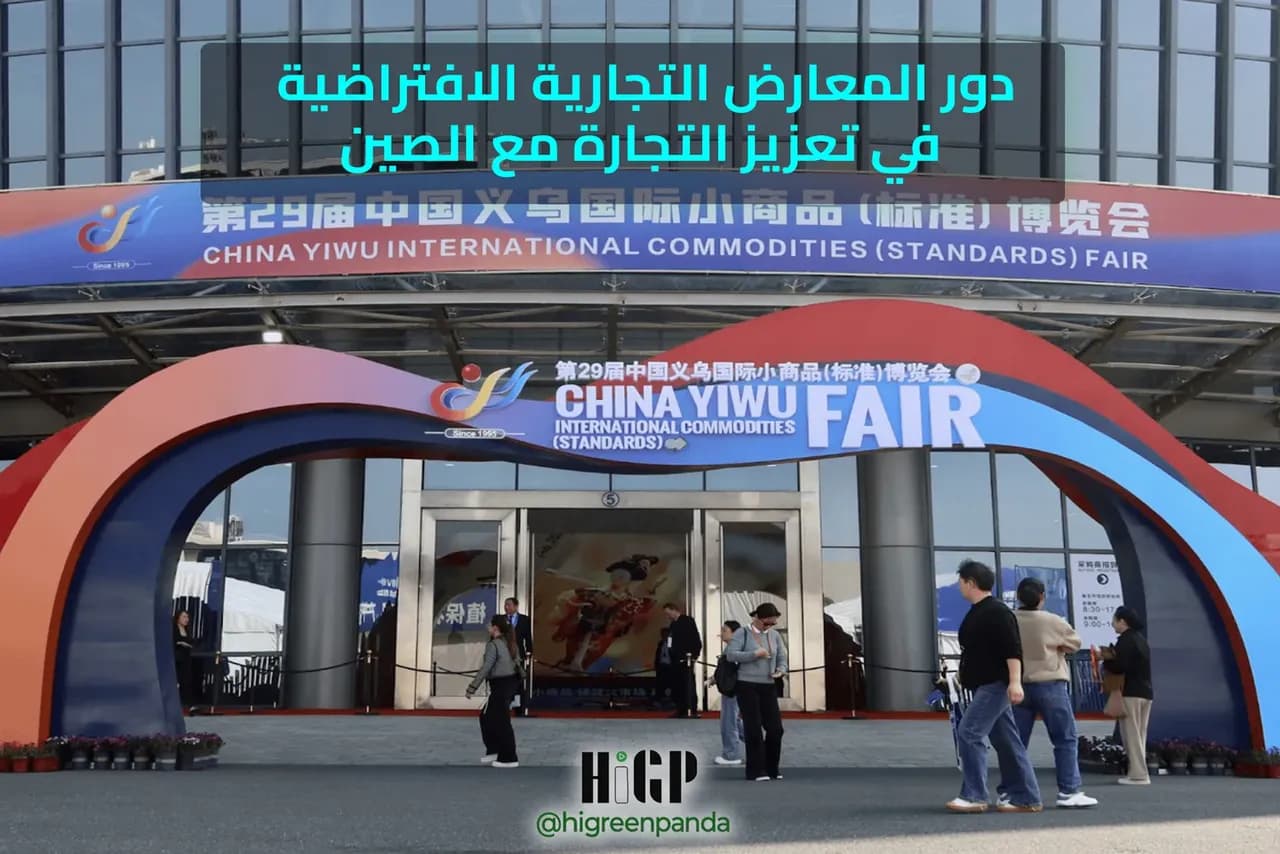
Yiwu International Commodities Fair, Yiwu
Usually held in autumn, around October. It covers small commodities, gifts and accessories, and suits wholesale buyers who want many low-priced items in modest quantities. Yiwu's wholesale market is open year-round, so a visit outside fair dates can still be productive.
For a wider list of exhibitions by sector, see trade fairs in China as a gateway to products and suppliers.
What you gain from meeting suppliers in person
Before deciding how much to do online, be clear about what physical fairs give you. These are the benefits a virtual fair has to replace or support:
- Direct access to manufacturers: you meet factory owners and sales managers face to face and can judge who is serious.
- Product comparison: you can see, touch and test goods before buying, and compare finishes side by side.
- Price negotiation: you can discuss prices, MOQ and payment terms directly and often settle points in one conversation.
- Market trends: you see which products, materials and designs suppliers are pushing this season.
- Relationship building: a handshake and a shared meal start long-term relationships that emails rarely do.
If you do travel, our article on turning a Canton Fair visit into real deals shows how to plan your days.
How virtual and hybrid fairs work
Technology and the COVID-19 pandemic pushed China's fair organisers towards digital formats. Most now use one of three models.
Fully virtual fairs
Exhibitors present products in online showrooms, sometimes with 3D displays and live video. You browse by category, save suppliers and send enquiries without travelling. This works well for a first search across many suppliers.
Hybrid fairs
The physical fair runs in the halls while an online platform carries exhibitor profiles, product listings and livestreams. You can research online before the fair, then visit only the booths on your shortlist, or follow up online after you return home.
Digital networking platforms
Organisers offer matchmaking tools, chat and video meetings between buyers and exhibitors. Some platforms stay open after the fair closes, so you can keep in contact with exhibitors for months.
Where online falls short
You cannot feel fabric, test a hinge or smell a finish through a screen. Photos and livestreams can show a showroom sample that is better than mass production. Trading companies can present themselves as factories more easily online. Time zones and language also slow things down. Treat a virtual fair as a way to build a shortlist, not as a way to choose a supplier.
Comparing the cost of each approach
A trip to a physical fair means flights, a visa, 4 to 7 days away from your business and hotel rates that rise sharply in Guangzhou during fair weeks. A virtual fair costs mainly your time, plus paid samples and courier charges, which vary with the size and weight of the product. For a new product category or a small first order, starting online usually makes sense. For large, custom or technical orders, the cost of a trip is small compared with the cost of choosing the wrong factory.
How to source through a virtual trade fair
- Define what you need before the fair opens: product specification, target price in USD, order quantity per item, packaging and any certificates your market requires.
- Register on the fair's official platform early and complete your buyer profile, including your company, country and product interests.
- Search by category and filter for manufacturers rather than traders where the platform allows it. Save 10 to 20 exhibitors.
- Send each one the same short enquiry so you can compare answers: price at your quantity, MOQ, lead time, payment terms and sample cost.
- Book video meetings with the best 5 to 8. Ask them to show the production line and warehouse live, not only the showroom.
- Order paid samples from 2 or 3 suppliers and compare them against your specification.
- Verify the preferred supplier before any deposit, using the checklist below.
- If the order is large, plan a factory visit or independent audit, possibly timed with the next physical fair.
Questions to ask in a video meeting
- Are you the manufacturer, and where exactly is the factory? Please show the gate and the name sign.
- Which of the products in your online showroom do you make yourselves, and which do you buy in?
- What is your MOQ per model and per colour, and your lead time from deposit?
- Which markets do you already export to, and do you have customers in the Gulf?
- Which certificates can you supply for this product, and who issued them?
- Can you show the quality control station and a finished carton ready for export?
Combining online and in-person
The most effective approach for many importers is hybrid. Research online in the weeks before a fair, arrange meetings with your shortlist, then visit only those booths and factories during the trip. After you return home, keep talking to the same suppliers through the platform, email or WeChat, and move to samples and a trial order. This keeps your travel days focused on decisions rather than searching.
Negotiation online follows the same rules as at the booth. Our article on negotiation strategies with suppliers at the Canton Fair applies equally to video meetings.
Checks before you trust a supplier you met online
- Business licence checked on China's National Enterprise Credit Information Publicity System, with the name matching the exhibitor profile and the bank account.
- Business scope that includes manufacturing of your product, or a clear statement that the company is a trader.
- Factory address confirmed on a live video call or by an inspector's visit.
- Samples tested and one approved sample kept as the reference for production.
- Bilingual contract with specification, delivery date, inspection rights and a dispute clause.
- Payment in stages to the company account only, never to a personal account.
- Pre-shipment inspection booked before the balance is paid.
For a full framework, read risk management strategies when importing from China, and for payment fraud in particular, safe payment strategies for Chinese suppliers.
Common mistakes with virtual fairs
- Choosing a supplier from its online showroom alone, without samples or a live look at the factory.
- Registering on a look-alike website instead of the fair's official platform.
- Sending vague enquiries, then getting quotes that cannot be compared.
- Contacting too many suppliers and following up with none of them properly.
- Paying a deposit to a new supplier because the fair listing seemed to vouch for it. A listing is not a guarantee.
- Dropping in-person visits altogether for large or custom orders.
What to do this week
Check the dates of the next Canton Fair phase or the fair that matches your products, and register on its official online platform. Write a one-page specification for the product you most want to source and prepare a standard enquiry. Shortlist 10 exhibitors and send the enquiry to all of them before the week is out. Then decide whether the order is large enough to justify a trip. If you do travel, HiGreenPanda offers trade fair accompaniment with interpreters and supplier follow-up from Shenzhen and Shanghai.
本文解答的问题
Does the Canton Fair have an online version?
Yes. The Canton Fair runs an online platform alongside its spring and autumn physical sessions, with exhibitor profiles, product listings and livestreams. You can use it to research suppliers before visiting or to follow up afterwards.
Are virtual trade fairs in China worth it?
They are useful for building a shortlist quickly and without travel costs. They cannot replace touching products or seeing a factory, so combine them with paid samples, live video tours and, for large orders, an audit or visit.
What are the biggest trade fairs in China?
The Canton Fair in Guangzhou is the largest and covers almost every industry. Other key fairs are CIIF in Shanghai for industrial equipment, the China Hi-Tech Fair in Shenzhen, Global Sources in Hong Kong and the Yiwu International Commodities Fair.
How do I check a supplier I found at an online trade fair?
Check its business licence on China's National Enterprise Credit Information Publicity System and confirm the name matches the bank account. Ask for a live video of the factory, test samples, and book a pre-shipment inspection before paying the balance.
When is the Canton Fair held?
The Canton Fair is held twice a year, in spring (April to May) and autumn (October to November), in phases by product group. Confirm exact dates on the official Canton Fair website before you plan.
HiGreen Panda Marketing