E-commerce
90-Day Plan for Building a Brand in China: Launch Step by Step
A practical 90-day plan for building a brand in China: what to prepare in the first month, how to launch and test demand in the second, and how to optimise costs, delivery and loyalty in the third.
作者:萨米·哈吉里阅读约需 8 分钟
You have a product that sells at home, and you want Chinese buyers to know your name, not just your factory's. The hard part of building a brand in China is not the idea; it is doing the right things in the right order so you do not spend your budget before the basics are protected. This guide splits the first 90 days into three phases, with the tasks, the numbers to watch and the decisions to take when those numbers go wrong.
Before day 1: what you need in place
A 90-day plan only works if the groundwork is ready. Decide first whether you will sell cross-border (goods shipped from abroad or a bonded warehouse, sold through platforms such as Tmall Global or JD Worldwide) or domestically through a Chinese entity. Cross-border lets you test demand without a local company. A domestic store on Tmall or JD normally needs a Chinese company, a local bank account and full local product compliance. Our guide to cross-border e-commerce in China explains the difference in more detail.
- A clear decision: cross-border first, or a Chinese entity from the start
- A budget split across three months, with at least 30% held back for month three
- One owner for each area: channels, customer service, logistics and IP
- Product samples and packaging files ready for Chinese adaptation
- A Chinese brand name shortlist (3 to 5 options) checked for meaning and pronunciation
Days 1 to 30: preparation and positioning
The first month is about knowing exactly who you are selling to and making sure nobody can take your name. Resist the pressure to open stores and buy ads before this is done.
Define segments and customer personas
China is not one market. Define precise segments by city tier, product category, usage occasion and generation. A 25-year-old in Shanghai buying skincare on Xiaohongshu behaves differently from a 45-year-old in a second-tier city buying on JD. Build two or three customer personas with their age, city, income range, where they shop, what they already buy and what would make them switch.
Craft a local value proposition
Write one sentence that says why a Chinese buyer should choose you over the local alternative. Then adapt the messages culturally: language, images, colours, symbols and numbers. Have a native speaker review every line; literal translations of Arabic or English slogans often read oddly. For channel-by-channel tactics, see digital marketing strategies to reach Chinese consumers.
Compliance and trademark protection
China works on a first-to-file trademark system: whoever registers first usually owns the mark, regardless of who used it first abroad. File your Latin-letter mark and your Chinese name with the China National Intellectual Property Administration (CNIPA) in every class you sell in and the ones you are likely to expand into. Filing takes days; registration commonly takes around 9 to 14 months, but a filing date gives you priority from day one. Check the current official fee per class on the CNIPA website before you budget. HiGreenPanda handles trademark registration in China from Shenzhen if you want it filed locally.
In parallel, prepare the compliance file: product test reports, ingredient or material lists, Chinese labelling (imported pre-packaged food, for example, must carry Chinese labels meeting national standards), and any category-specific registrations. Requirements differ widely by category, so confirm them with the platform and a customs broker before you ship stock.
Choose your channels
A common starting mix is one marketplace plus two social channels: Tmall or JD for search-driven sales and trust, a WeChat Mini Program for owned customer relationships, and Douyin for discovery and live streaming. Do not open five channels at once; you will not have the content or staff to run them well.
Month-one indicators
- Compliance file complete for every SKU you plan to launch
- Brand messages approved by a native-speaking reviewer
- Trademark applications filed and receipt numbers on file
- Store and social accounts opened and verified
Days 31 to 60: launch and early demand
Month two turns preparation into sales. The aim is not scale yet; it is learning which message, package and price actually convert.
Launch the store and the landing experience
Open the official store together with a local landing page and instant chat. Chinese shoppers expect a reply within minutes on platform chat; slow replies cost sales. Set a target such as a first response within 60 seconds during working hours and staff accordingly.
Work with KOLs and KOCs
Key opinion leaders (KOLs) bring reach; key opinion consumers (KOCs), ordinary users with small but engaged followings, bring trust and are usually far less costly per post. Use both with live streaming, and test 3 value propositions or packages side by side rather than betting on one. Word-of-mouth drives much of this, as our article on social e-commerce in China shows.
Customise product and packaging
Adjust sizes, flavours or formats to local taste, and put all mandatory information in Mandarin. Small changes, such as a smaller trial size, often lift first-time purchases.
Set up logistics, returns and after-sales
Chinese buyers are used to delivery in 1 to 3 days domestically; cross-border orders from a bonded warehouse often arrive in 3 to 7 days, while direct mail from abroad can take 7 to 20 days. Publish a clear returns policy and name who handles after-sales questions.
Month-two indicators
- Ad click-through rate (CTR) by channel and creative
- Conversion rate from visit to order
- Average order value (AOV)
- Customer service response time
Days 61 to 90: expansion and optimisation
By month three you have real data. Use it to cut what does not work and put money behind what does.
- Run A/B tests on product images, messages, prices and page layouts. Change one element at a time and give each test at least a week of traffic.
- Launch a loyalty or subscription programme and coupons inside WeChat to bring first-time buyers back.
- Tighten shipping against a written service level agreement (SLA) with your logistics partner, and work to reduce delivery time and return rates.
- Protect your IP by tracking violations on marketplaces and social platforms, and file takedown requests quickly using your trademark filing or certificate.
- Review the month-three indicators and decide where the next quarter's budget goes.
Month-three indicators
- Customer acquisition cost (CAC) compared with customer lifetime value (LTV)
- 30-day retention rate
- User ratings and review scores
- Average delivery time
Quick decision maps when numbers go wrong
Agree these rules before launch so the team acts quickly instead of debating.
- If conversion is below 1%: improve the landing page and add social proof and reviews.
- If CAC is high: switch channel or audience, and boost organic reach through KOC and Xiaohongshu content.
- If returns are high: review fit, sizes, instructions and after-sales service.
Your ready operations list
A brand launch is run by routines, not by one big push. Put these three in place from day 31.
- A daily measurement dashboard covering sales, visits, conversion, costs and returns
- A weekly cross-team meeting on channels, customer service, logistics and IP
- A monthly release calendar, including co-branding collaborations
Common mistakes when building a brand in China
- Launching before filing the trademark. Squatters watch new foreign brands; recovering a mark can take years.
- Translating instead of localising. A Chinese name that sounds awkward or carries an unlucky meaning undermines every campaign.
- Opening too many channels. Three channels run well beat six run badly.
- Paying only for big KOLs. A single large post can use the whole month's budget with no repeat sales; spread spend across KOCs.
- Ignoring after-sales. Slow replies and unclear returns show up quickly in ratings, and ratings drive conversion.
- No holdback budget. If everything is spent in month two, you cannot scale what works in month three.
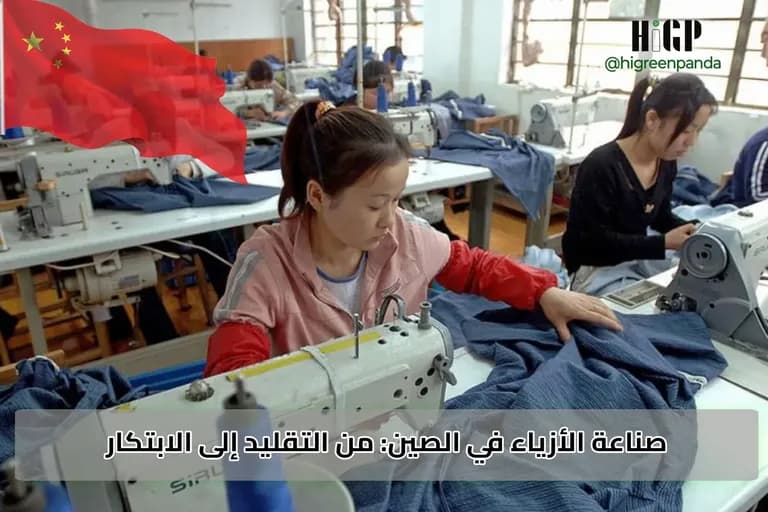
If you manufacture in China as well as sell there, the story of how one factory moved from copy workshop to innovative brand is a useful reference for the mindset shift involved.
What to do this week
- Decide cross-border or domestic entity, and write down why.
- Shortlist 3 to 5 Chinese brand names and have a native speaker check them.
- Run a trademark search and file in your core classes.
- Draft two customer personas and one value-proposition sentence.
- Pick your first marketplace and two social channels, and assign an owner to each.
If you want help setting up the stores and the first campaigns, HiGreenPanda's e-commerce launch support team works with brands on the ground in Shenzhen and Shanghai.
本文解答的问题
How long does it take to build a brand in China?
You can prepare, launch and gather meaningful sales data within about 90 days. Trademark registration itself commonly takes around 9 to 14 months, but filing early gives you priority from the filing date. Building lasting awareness usually takes a year or more of consistent activity.
Do I need a Chinese company to sell on Tmall or JD?
For a domestic Tmall or JD store you normally need a Chinese entity and local compliance. Cross-border platforms such as Tmall Global and JD Worldwide let foreign companies sell without a local company. Many brands test cross-border first, then set up an entity once demand is proven.
Should I register my trademark in Chinese as well as English?
Yes. Chinese consumers and media will give your brand a Chinese name if you do not, and someone else may register it. File both the Latin-letter mark and your chosen Chinese name in every class you sell in.
What is a good conversion rate for a new brand store in China?
A useful internal threshold is 1%. If your store converts below that, improve the landing page and add social proof and reviews before spending more on traffic. Rates vary a lot by category and price point, so compare against your own trend week by week.
What is the difference between a KOL and a KOC?
A KOL is an influencer with a large audience who brings reach. A KOC is an ordinary consumer with a smaller, engaged following who brings trust and usually costs less per post. Most launches use a mix, with KOCs supporting organic content on platforms such as Xiaohongshu.
HiGreen Panda Marketing