E-commerce
From Copy Workshop to an Original Clothing Brand: A Short Story
A small workshop sewing lookalikes of global brands saw its margins erode, tested an original line through live streaming and changed its business within one season. Here are the five lessons and how to apply them.
作者:萨米·哈吉里阅读约需 9 分钟
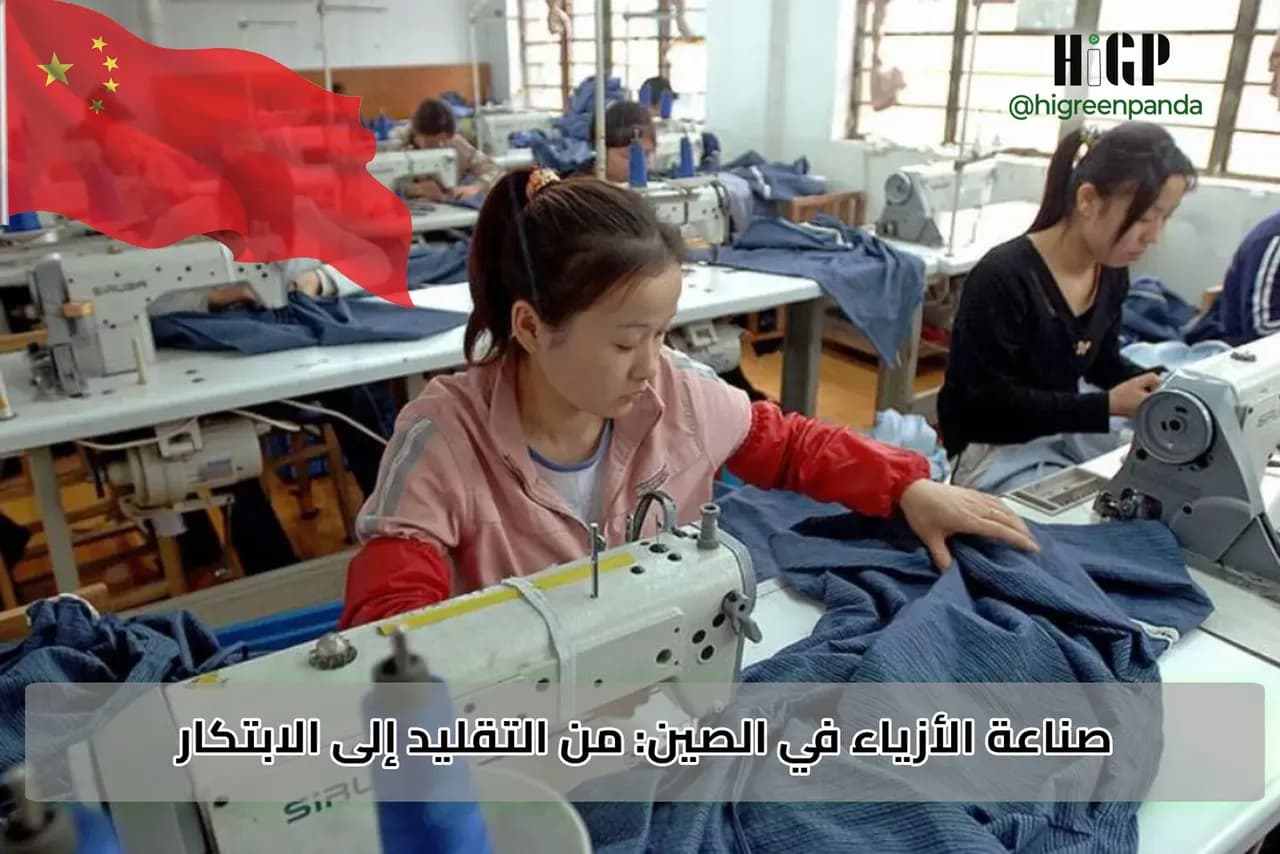
If you sell clothing that looks like someone else's, you already know the problem: anyone can undercut you, and every season the margin gets thinner. This short story follows a workshop that started by copying global brands and turned itself into an original clothing brand within one season. By the end you will have five lessons, a step-by-step way to test your own original line, and a list of mistakes to avoid.
The story: from lookalikes to a line of its own
The company started by sewing patterns similar to those of global brands. It worked while demand was high, but price pressure made margins erode. Every competitor could buy the same fabric and copy the same style, so the only way to win an order was to cut the price again.
The team decided to test a small line with original designs. Instead of hiding where the clothes came from, they used live streaming to tell the story of local materials and the craftsmen in their town. They held weekly interactive sessions with their audience and collected feedback on sizes, quality and packaging, then changed the next batch to match.
Within one season, engagement doubled and demand shifted to the new line. A local platform agreed to collaborate on a limited release. The brand's identity became the talk of the town, and the team faced a new question: how do we keep our speed without losing quality?
Notice what did not change. The workshop kept the same sewing lines, the same staff and much of the same supply base. What changed was the product's reason to exist, the way it was sold and how quickly the team listened to customers. That is why the approach suits small importers and brand owners: it needs discipline and a clear story more than new capital. The risk is limited to a small test line, and the old business keeps running while you learn.
Why copying stops working
The workshop's problem is common among small garment makers in China and among traders in the Gulf who buy from them. A copied design has no loyalty attached to it. Buyers compare you only on price, and there is always a factory willing to go lower.
There is also a legal risk. A style inspired by a trend is one thing; a product that uses another brand's logo, name or protected pattern is counterfeit. Customs authorities in the Gulf and in China can seize such goods, and the importer carries the loss. An original design removes that risk and gives you something to protect. Because China registers trademarks on a first-to-file basis, secure your brand name early through trademark registration in China.
Five lessons you can act on
1. Identity first
A local story and consistent imagery build real preference, which a lower price never does. Show where your fabric comes from, introduce the design team by name, and make quality promises you can measure, such as colour-fastness after 30 washes or seam strength, rather than vague claims.
For a Gulf trader, identity can come from either end of the chain. It can be the Chinese town and craft behind the fabric, as in this story, or it can be your own market: cuts suited to local climate and modesty preferences, sizing that fits your customers, and packaging in Arabic. Pick one story and keep every photo, stream and label consistent with it.
2. Speed and pace
Shorter development cycles, read against weekly demand, beat large seasonal bets. Adopt flexible production with small batches and test shapes before you scale. Many garment factories in Guangzhou, Hangzhou and the surrounding towns will run small batches, often a few hundred pieces per style; the exact minimum depends on the fabric, whether it is stock or custom-dyed, and the trims. Agree the minimum and the re-order lead time in writing before the first run.
3. Transparency
Material tracking and environmental responsibility build trust, especially with younger buyers. Document your suppliers' certifications and offer recyclable packaging options. Keep copies of fabric test reports and certificates on file, because a platform or retail partner may ask for them.
4. Smart channels
Blend live streaming with an official store and augmented-reality try-on experiences. Set a regular streaming schedule so your audience knows when to find you, and collaborate with content creators who specialise in fashion. In China this means platforms such as Douyin and Xiaohongshu; in the Gulf, Instagram, TikTok and Snapchat do the same job. Our guide to social e-commerce in China explains why this model converts so well.
Treat each stream as a small research session as well as a sale. Prepare three questions for the audience, such as which colour they would buy next or whether a sleeve should be longer, and log the answers. Over eight weeks those logs tell you more about demand than any trade report.
5. Inventory management
Use data-based forecasts and pull slow sellers quickly. Monitor weekly sales rates by style, colour and size, and apply adjustments immediately: re-cut the sizes that sell out, drop the colours that do not. A small line with fast re-orders ties up far less cash than a large line with dead stock.
Quick executive tips
- Run fitting tests on samples with customers present through live streaming, so buyers see how the garment sits on real bodies.
- Offer a transparent, fast return policy to reduce hesitation and increase trust, and state the return window and who pays postage.
- Launch seasonal design collaborations with local artists to create buzz and raise perceived value without cutting price.
How to keep speed without losing quality
The workshop's closing question is the one every growing brand meets. Early success brings bigger orders, and bigger orders tempt factories to switch fabric, rush finishing or subcontract to a workshop you have never seen. Three habits protect you.
Write the standard down
Put measurements with tolerances, fabric weight in grams per square metre, colour references and packing instructions into one specification sheet, signed by the factory. Keep a sealed approved sample at the factory and one with you. Any argument about quality is then settled against a document, not memory.
Inspect every batch, not just the first
Quality usually slips on the third or fourth re-order, not the first, because attention moves to newer customers. Book an inspection before shipment on every batch and tie the balance payment to a passed report. The cost of an inspection is small next to a season of returns.
Plan capacity before you need it
Ask the factory how many pieces per week it can produce for you at the agreed quality, and what happens during Chinese New Year and the peak export season, when lines are busiest. If your forecast exceeds that, qualify a second factory with the same specification sheet before you need it, not during a rush.
How to test an original line step by step
You do not need to abandon your existing range to try this. The workshop tested a small line alongside its old business. Here is how to do the same with a Chinese factory.
- Pick 3 to 5 original designs that fit one clear story, such as a fabric, a craft or a place.
- Brief the factory with technical drawings, measurements and approved fabric swatches, and ask for samples in two or three sizes.
- Hold a live fitting session with your audience and record feedback on size, feel and packaging.
- Order a small first batch, agreeing the minimum quantity, unit price and re-order lead time in writing.
- Inspect the batch before it leaves the factory, checking measurements against the approved sample.
- Launch through your streaming schedule and your own store, then read sales weekly.
- Re-order only the styles and sizes that sell, and retire the rest within the season.
For a longer plan that covers positioning, content and partners, follow our 90-day plan for building a brand in China. When you sit down with factories to agree small batches and fast re-orders, our advice on negotiating effectively with Chinese companies will help.
Launch-readiness checklist
- Brand name checked and trademark application filed
- Story, imagery and design team introduction ready
- Approved samples kept as the quality reference
- Fabric certifications and test reports on file
- Streaming schedule set for at least eight weeks
- Return policy written and published
- Weekly sales report by style, colour and size set up
Common mistakes when moving from copies to originals
- Launching a full collection instead of a small test line, and tying up cash in stock nobody asked for.
- Keeping the old lookalike range in the same store, which confuses the story you are trying to tell.
- Promising quality in words without a measurable standard or an inspection before shipment.
- Streaming irregularly, so the audience never forms a habit.
- Waiting until the brand is known before registering the trademark.
- Scaling too fast after early success and losing the quality that won the customers.
What to do this week
Write down the one story only your brand can tell, whether that is a fabric, a town or a craft. Choose three designs that express it and send the technical packs to a factory for samples. Book your first live fitting session for the day the samples arrive, and check whether your brand name is free to register. If you need a factory that will run small, repeatable batches, HiGreenPanda helps clients find and manage manufacturing partners in China.
本文解答的问题
How do I start an original clothing brand with a Chinese factory?
Start with 3 to 5 original designs built around one story, send the factory technical drawings and fabric swatches, and approve samples before ordering. Run a small first batch, inspect it before shipment, and re-order only what sells.
What is the minimum order for clothing from a Chinese factory?
It varies. Many smaller garment factories accept a few hundred pieces per style, while custom-dyed fabric or special trims push the minimum higher. Always agree the minimum quantity and re-order lead time in writing before the first run.
Is it illegal to import copies of branded clothing?
Clothing that uses another brand's logo, name or protected design is counterfeit, and customs authorities in the Gulf and China can seize it, with the importer carrying the loss. Styles that follow a general trend without copying protected marks are a different matter, but an original design removes the risk.
How does live streaming help a new clothing brand?
Live streaming lets you show fabrics, introduce the makers and run fitting tests with customers watching. Regular weekly sessions build an audience and give you direct feedback on sizes, quality and packaging, which you can apply to the next batch.
Should I register my clothing brand's trademark in China?
Yes, if you manufacture or sell there. China registers trademarks on a first-to-file basis, so someone else can register your name first if you wait, which can block your own goods.
HiGreen Panda Marketing