Quality and inspection
China Pharmaceutical Industry: Rapid Growth and Global Standards
China approved 93 innovative drugs in 2024, a 10-year high, and its drug makers signed 94 outbound licensing deals the same year. Here is how the reforms happened and what they mean for Gulf buyers and partners.
作者:萨米·哈吉里阅读约需 8 分钟
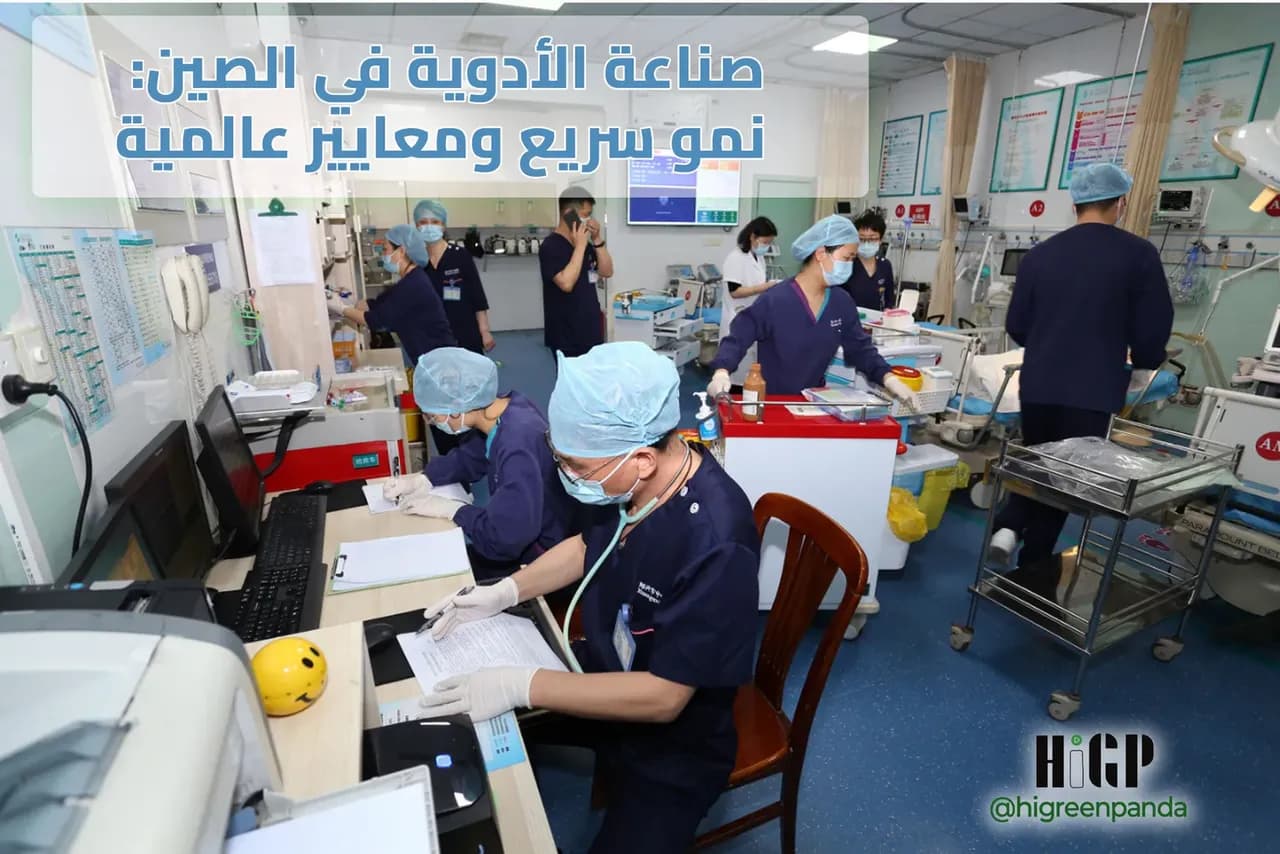
If you still think of Chinese medicines as low-margin generics and bulk ingredients, you are working from an old picture. The China pharmaceutical industry has spent a decade rebuilding its rules, and it now approves more first-in-world drugs than Japan or Europe. By the end of this guide you will know what the reforms changed, what the numbers show, why Chinese drug makers are going global, and how a Gulf distributor or importer can work with them without taking on regulatory risk.
How a decade of reform reshaped Chinese pharma
Over the past 10 years China has introduced a series of regulatory reforms that reshaped its pharmaceutical sector. They made research and development faster by shortening development cycles, pushed far more capital into biopharmaceutical innovation, and brought more globally developed treatments to Chinese patients.
The main changes
- In 2017 China's drug regulator joined the International Council for Harmonisation (ICH), aligning Chinese technical requirements with those of the US, EU and Japan
- From 2018, clinical trial applications were treated as approved if the regulator raised no objection within 60 working days, cutting months from early development
- The revised Drug Administration Law of December 2019 introduced the marketing authorisation holder system nationwide, so a research company can hold a licence and contract manufacturing out
- Rules adopted in 2020 created priority review, conditional approval and breakthrough therapy routes for drugs that meet urgent clinical needs
Together these changes mean data generated in China is more acceptable abroad, and foreign data is more acceptable in China. That two-way flow is the foundation of everything that follows.
Pressure on prices at home
At the same time, national volume-based procurement has driven down the prices hospitals pay for many off-patent medicines since 2018. Generic makers won volume but lost margin, which pushed the stronger companies towards innovative drugs and export markets. For buyers outside China, it also means a large number of factories producing generics at scale.
Drug innovation in China: what the numbers show
In 2024, 93 innovative drugs were approved for the first time in China, the highest number in a decade. Of these, 42% were developed locally, which means roughly 39 of the 93 came from Chinese laboratories rather than foreign ones.
Over the past decade, China's share of innovative drugs approved first anywhere in the world has risen steadily. In 2021 it overtook Japan and Europe to become the second-largest region for first approvals, behind only the United States.
The same pattern of regulation catching up with global standards is visible in medical equipment, covered in our guide to China's medical devices and health technology industry, and more broadly in how Chinese product standards have changed.
Where the investment went
Over the past decade, China's biopharmaceutical sector attracted more than CNY 418.4 billion in primary market financing, roughly USD 58 billion at an exchange rate of about 7.2 CNY to the dollar. Investment peaked in 2021, when CNY 103.4 billion was raised across 811 financing events.
Most of the money went to three areas:
- Small molecule drugs: 34%
- Cell therapies: 21%
- Therapeutic vaccines: 12%
Small molecules are conventional pills and injections that can be manufactured and shipped at scale. Cell therapies and therapeutic vaccines are newer, need cold chain and specialist handling, and are further from routine trade. If you distribute medicines in the Gulf, the small molecule pipeline is where the nearest opportunities are.
Why Chinese drug companies are going global
Since 2021, intense competition at home and tighter financing have pushed Chinese pharmaceutical companies to speed up their international strategies to keep growing. Between 2015 and 2024 the number of outbound licensing deals, in which a Chinese company licenses its drug to a foreign partner, rose sharply. In 2024 alone 94 such deals were completed, bringing the total potential value of cumulative deals to USD 51.9 billion.
Read that figure carefully. Potential value includes milestone payments that fall due only if the drug passes later trials and wins approval, so the cash actually paid is a fraction of the headline. What matters for you is the direction: Chinese companies now actively look for partners abroad, including in the Gulf, rather than waiting for buyers to find them.
What this means for Gulf importers and distributors
Sourcing finished products and ingredients
China supplies active pharmaceutical ingredients (APIs), generic medicines, over-the-counter products, medical consumables and pharmaceutical packaging to most of the world. Every one of these is regulated in your market. Medicines must be registered with your health regulator, such as the SFDA in Saudi Arabia, before they are imported, and both the product and the manufacturing site are assessed.
Shipping and storage
Transport is where many pharmaceutical shipments to the Gulf go wrong. Many finished medicines must be kept below 25 °C, or 2 to 8 °C for refrigerated products, and a container standing on a quay in Jebel Ali or Jeddah in summer can far exceed that. Agree the storage range on the label with your supplier, use temperature-controlled (reefer) containers or air freight with cold chain packaging where the product needs it, and put a data logger in every shipment. Ask your forwarder whether it follows good distribution practice for medicines, and check the logger readings before you accept the goods.
Licensing and partnership
Chinese innovators that have licensed drugs to Western partners often keep rights to other regions. A Gulf company with registration experience and hospital access can negotiate regional rights, either as a distributor or as a licensee. Saudi Arabia's push to manufacture more medicines locally makes technology transfer and contract manufacturing part of the same conversation. Our article on contract manufacturing in China sets out the advantages and pitfalls of that model.
How to source pharmaceutical products from China
- Confirm the registration route with your home regulator first, including which documents it needs from the manufacturer and how long review takes.
- Shortlist manufacturers that already export to regulated markets. An EU or US inspection history, or WHO prequalification for the product, is strong evidence of a working quality system.
- Request the core documents listed below, and check every certificate with the authority that issued it.
- Order samples and have them analysed by an independent accredited laboratory against the pharmacopoeia your regulator uses.
- Audit the factory against good manufacturing practice (GMP) before you commit, using an auditor who reads Chinese batch records.
- Sign a supply and quality agreement that covers specifications, change notification, recalls and who holds the registration.
- Inspect each batch before shipment and check that storage and transport conditions match the product's requirements.
Documents to request from a Chinese manufacturer
- Drug production licence and GMP compliance evidence from the Chinese authorities
- Certificate of Pharmaceutical Product (CPP) where your regulator requires one
- Drug master file or equivalent technical dossier for APIs
- Stability data for the climate zone of your market; the Gulf's heat and humidity matter
- Certificate of analysis for every batch
- Any EU, US or WHO inspection reports and certificates
- Labelling and leaflet artwork, with Arabic text where required
Common mistakes when sourcing pharmaceuticals from China
- Buying from a trader who cannot show which factory made the product or give you access to it.
- Treating a GMP certificate as permanent. Chinese GMP status depends on ongoing inspections, so ask for the latest results.
- Using stability data generated for a temperate climate. Products shipped to the Gulf need data for hot, humid conditions.
- Signing a distribution deal without agreeing who owns the registration in your country.
- Reading headline licensing values as money paid. Base your plans on the upfront payment, not total potential value.
- Shipping before registration is granted, which leaves goods stuck at the port.
Because quality problems in medicines put patients at risk, independent quality inspection of each batch before shipment should sit alongside your own regulator's checks.
What to do this week
Choose one product or therapy area and write down your regulator's registration requirements for it. Then contact 3 Chinese manufacturers that already export to regulated markets and ask for their GMP evidence, CPP availability and stability data for hot climates. If you are weighing a licensing or distribution deal rather than a simple purchase, business consulting can help you structure the terms, or you can book a consultation to discuss the route first.
本文解答的问题
How fast is the China pharmaceutical industry growing?
In 2024 China approved 93 innovative drugs, the most in a decade, and 42% were developed locally. The biopharmaceutical sector raised more than CNY 418.4 billion in primary financing over 10 years, peaking at CNY 103.4 billion in 2021.
Does China meet international pharmaceutical standards?
China joined the International Council for Harmonisation in 2017 and has aligned many technical requirements with the US, EU and Japan. Standards still vary by factory, so check each manufacturer's GMP status, inspection history and export record.
Why are Chinese pharmaceutical companies licensing drugs abroad?
Intense domestic competition, price cuts from volume-based procurement and tighter financing since 2021 pushed them to seek growth abroad. In 2024 they completed 94 outbound licensing deals, taking the cumulative potential value to USD 51.9 billion.
Can I import medicines from China into Saudi Arabia or the UAE?
Yes, once the product is registered with the national regulator, such as the SFDA in Saudi Arabia. Expect to provide the manufacturer's GMP evidence, a Certificate of Pharmaceutical Product, stability data and batch certificates of analysis.
What should I check before buying APIs from a Chinese supplier?
Confirm the supplier is the actual manufacturer, request its drug production licence, GMP evidence and drug master file, and test samples at an independent laboratory. Audit the factory before a regular supply contract.
HiGreen Panda Marketing