Investing in China
China Tech Investment: Sectors, Incentives and Steps to Enter
Where the money is going in Chinese technology, which incentives foreign investors can actually use, and the order of steps that keeps you away from restricted activities and missed tax breaks.
作者:萨米·哈吉里阅读约需 10 分钟
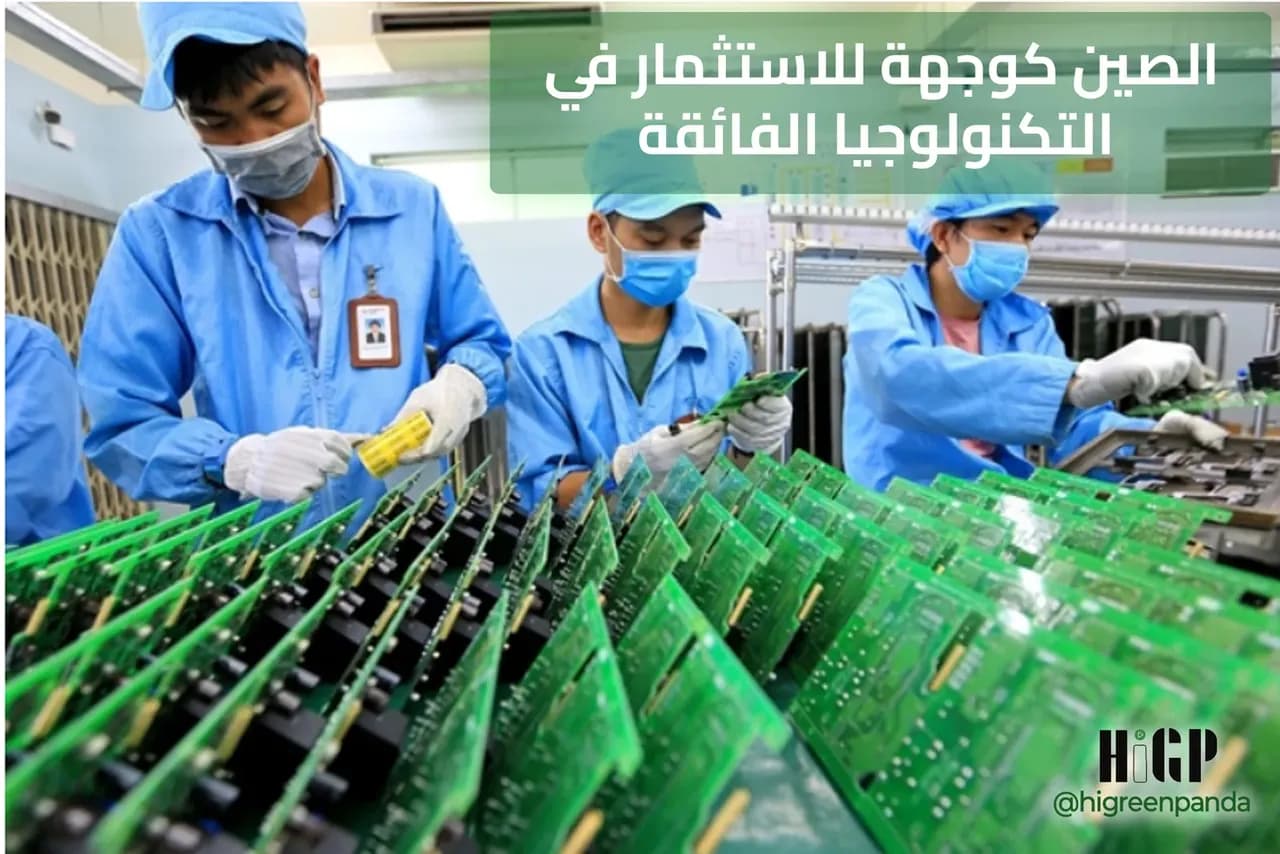
Every week you read large figures about artificial intelligence and new energy in China, and it is hard to tell which part of them concerns you as an investor or trader in the Gulf. China tech investment is not reserved for sovereign wealth funds, but it does need a correct reading of the sectors and the policies before you commit a single riyal or dirham. By the end of this guide you will know where the opportunities are concentrated, which incentives are open to foreigners, the practical steps to enter, and the mistakes that cost new investors time and money.
Why has China become a major destination for high-tech investment?
China is now one of the most important destinations for investment in advanced technology, for three reasons that come together in one place: a strong government commitment to technological leadership, a fast-growing domestic market of more than 1.4 billion consumers, and policies that encourage private and foreign investment in the sectors the state wants to develop.
That does not mean every technology sector is equally open. The government decides what it encourages, what it restricts and what it prohibits, and a sensible investor starts from that map rather than from the headlines. If the subject is new to you, read our guide to foreign direct investment in China for the overall framework, then come back here for the technology detail.
Which emerging technology sectors is the money going into?
The figures below show the size and direction of each sector. They refer to specific years and to forecasts for years ahead, so check the latest published data before you make any decision.
Biopharmaceuticals
The market reached CNY 1.86 trillion (USD 261.21 billion) in 2022, up 8.3% on the previous year. The number of biotechnology science parks grew from 400 to 600 between 2016 and 2020. For an Arab investor, the nearer opportunity is usually not drug development itself but distribution, and partnerships with Chinese companies that want to register their products in Gulf markets. That route runs through approval by your country's food and drug authority.
Artificial intelligence
The market is expected to grow from CNY 213.7 billion (USD 30 billion) in 2023 to CNY 811 billion (USD 113.89 billion) by 2028, roughly four times in five years. The applications closest to a Gulf trader are smart devices, building monitoring and control systems, and automation for warehouses and factories. All of these are products you can import or take on as an agent.
Quantum computing
The market grew from CNY 42.5 billion in 2019 to CNY 70.9 billion in 2022, a compound annual growth rate of 17.3%. This is mostly a research sector. Entry is usually through investment funds or research partnerships with universities, not through direct trade.
New energy
China is the world's largest hydrogen producer at about 25 million tonnes, and it dominates solar power, with installed capacity around four times that of the United States. This is the sector most closely tied to Gulf projects today, from solar panels to storage batteries. You will find more detail in our article on investment in China's green energy sector.
6G networks
China aims to bring 6G to commercial use by 2030, and in 2024 it built what it describes as the world's first 6G test network. The opportunity here is long-term. It suits you if you work in telecoms infrastructure or want to follow the suppliers that will lead the next generation of equipment.
What incentives does China offer foreign technology investors?
A reduced 15% corporate income tax rate
The standard corporate income tax rate in China is 25%. Companies operating in certain development zones can benefit from a reduced rate of 15%, the same rate granted to companies certified as High and New Technology Enterprises. The reduction is not applied automatically. You must meet the activity and location conditions, submit the required documents and keep meeting the conditions every year. Ask your accountant about the current conditions in the zone you choose before you incorporate, not after.
The known conditions for High and New Technology Enterprise certification include: the company owns core intellectual property in its products; research and development staff make up a set share of total employees; a large share of revenue comes from technology products or services; and the company spends a share of its revenue on R&D that varies with company size. These ratios are reviewed and amended, so do not build a financial plan on them until you have checked the version in force with a local tax adviser. A simple trading company that only buys and sells will usually not meet these conditions, and the standard rate remains the figure to use in your calculations.
The Encouraged Industries Catalogue
China lists technology sectors in its 2022 Catalogue of Industries for Encouraging Foreign Investment. If your activity appears in the catalogue, you may gain benefits such as exemption from customs duty on equipment imported for your own use, and priority access to land in some zones. The catalogue is updated periodically, so confirm the version in force on the website of the National Development and Reform Commission (NDRC) or the Ministry of Commerce (MOFCOM).
The state's strategic targets
The government set a target of developing 100 iconic products by 2025, including products in quantum computing and 6G. These targets matter to you because they show where state R&D support is going, and therefore where strong companies and new suppliers will appear in the coming years.
What real opportunities are open to you as a foreign company?
China offers foreign companies four opportunities, and each has a different practical meaning for an Arab trader or investor:
- Access to a huge, fast-growing market: if you have a technology product or service, the Chinese market itself may be your customer, but local competition is fierce and margins are thin.
- Partnerships with Chinese technology giants: large Chinese companies are looking for distributors, agents and implementation partners in the Gulf. For most traders this is the nearest way in.
- An advanced innovation ecosystem: an office or company in Shenzhen or Shanghai puts you close to suppliers and supply chains and shortens product development time.
- Government R&D support: available mainly to entities registered inside China, and it usually requires a local partner or a real research team.
Economic ties between China and the Gulf states are widening in energy, technology and infrastructure. You can follow that trend in our article on bilateral trade between China and Arab countries.
How do you enter China's technology sector, step by step?
The order matters here. Many investors incorporate first, then discover that their activity is restricted or that the zone they chose does not grant the incentives they expected.
- Decide your entry model: importing technology products into your country, an exclusive distribution agency, a partnership with a Chinese company, a wholly foreign-owned enterprise (WFOE) or a joint venture.
- Check the Negative List for foreign investment and the Encouraged Industries Catalogue to see whether your activity is permitted, restricted or encouraged. Some telecoms, data and internet activities remain restricted or require a Chinese partner.
- Choose the city and zone by sector: Shenzhen for electronics and devices, Shanghai for biotechnology and finance. Confirm the incentives actually available in the specific zone.
- Vet the potential partner: its business licence, paid-in capital and court cases, and whether it is subject to export controls that could stop its products or components reaching your country.
- Register your trademark in China before any announcement or negotiation, because China works on a first-to-file principle. This is the step covered by trademark registration in China.
- Set up the legal entity, open the bank account and arrange monthly accounting from day one, even before you earn any revenue.
- Plan for data and intellectual property protection, especially if your product collects user data inside China, because transferring data out of the country is governed by specific laws.
Setting up a foreign company in China usually takes 4 to 8 weeks, and longer depending on the activity, the city and how quickly your documents are legalised in your home country. If you want someone to handle incorporation and registration on the ground, the HiGreenPanda team in Shenzhen and Shanghai takes care of company formation in China.
What should you check before you invest?
- Is your activity in the Encouraged Catalogue or on the Negative List?
- Does the zone you chose actually grant the 15% tax rate for your activity, and what are the conditions for keeping it?
- Is the Chinese partner officially registered, and is its paid-in capital in proportion to the size of the deal?
- Is your trademark registered in China in your own name or your company's name?
- Does the partnership contract clearly set out who owns new developments and patents?
- Do your products need conformity certificates in your country before import?
- Is your plan for sending profits abroad clear and compliant with foreign exchange rules?
Common mistakes when investing in Chinese technology
- Investing on market size alone: a CNY 811 billion market does not mean your share is assured. Local competition in AI and solar is very strong, and margins narrow quickly.
- Assuming incentives apply automatically: the 15% rate requires meeting conditions, filing applications and keeping to the conditions every year. A company that stops meeting them may be asked to pay the difference.
- Delaying trademark registration: whoever files first owns the mark in China, even if you have used it in the Gulf for years.
- Ignoring export controls and sanctions: some advanced components and technologies are subject to Chinese or foreign export controls, and your shipment may be held up or refused entry to your country.
- Relying on an unverified intermediary: technology partnerships need contracts in Chinese and in Arabic or English, stating the arbitration body and the governing law.
What to do this week
Do not start with incorporation. Start with information. Over the next seven days:
- Pick one of the five sectors above that connects to your current business or your market in the Gulf.
- Read our article on investing in China's technology sector to narrow your options within that sector.
- Write the entry model that suits you on one page: import, agency, partnership or wholly owned company, with a rough budget.
- Check where your activity stands in the current Encouraged Catalogue and Negative List.
- List 3 to 5 Chinese companies in the sector and check their business licences before any commercial contact.
本文解答的问题
Can foreigners invest in China's technology sector?
Yes. Most technology sectors are open to foreigners, and many are listed in the 2022 Catalogue of Industries for Encouraging Foreign Investment. However, some telecoms, data and internet activities are restricted or require a Chinese partner, so check the Negative List in force before you decide.
What is the corporate tax rate for technology companies in China?
The standard corporate income tax rate is 25%. Companies operating in certain development zones, and companies certified as High and New Technology Enterprises, can benefit from a reduced rate of 15% if they meet the conditions and keep meeting them every year.
Which technology sectors are growing fastest in China?
The artificial intelligence market is expected to grow from CNY 213.7 billion in 2023 to CNY 811 billion by 2028. The biopharmaceutical market reached CNY 1.86 trillion in 2022, and quantum computing grew at a compound annual rate of 17.3% between 2019 and 2022.
How long does it take to set up a foreign technology company in China?
Incorporation usually takes 4 to 8 weeks. The time varies with the activity, the city and how quickly you prepare documents legalised in your home country. Restricted activities, or those that need extra licences, can take longer.
Which Chinese city is best for technology investment?
It depends on the sector. Shenzhen is a strong hub for electronics, devices and supply chains, while Shanghai is stronger in biotechnology and finance. Check the incentives actually offered in the specific zone within the city, because they differ from one zone to another.
HiGreen Panda Marketing