Importing from China
Free Trade Zones in China: How Importers and Exporters Use Them
Free trade zones in China let you store, relabel, consolidate and re-export goods with duties deferred. Learn what a zone really offers, which activities are allowed and how to decide whether one fits your supply chain.
作者:萨米·哈吉里阅读约需 8 分钟
You buy from several Chinese suppliers, pay for storage in different cities and ship part-loads that cost more per carton than they should. Free trade zones in China can fix some of that: goods can wait, be relabelled, combined and re-exported with duties and VAT deferred or never charged. By the end of this guide you will know what a zone actually offers, which activities are allowed, and whether it makes sense for your import or export flow.
What are free trade zones in China?
Free trade zones (FTZs) in China are defined areas that enjoy preferential policies and simpler customs procedures than the rest of the country. For certain purposes they are treated as outside China's customs territory. Goods can be stored, repackaged, processed or manufactured there without paying customs duties or taxes until they enter the Chinese domestic market. If they are re-exported, those charges are not paid at all.
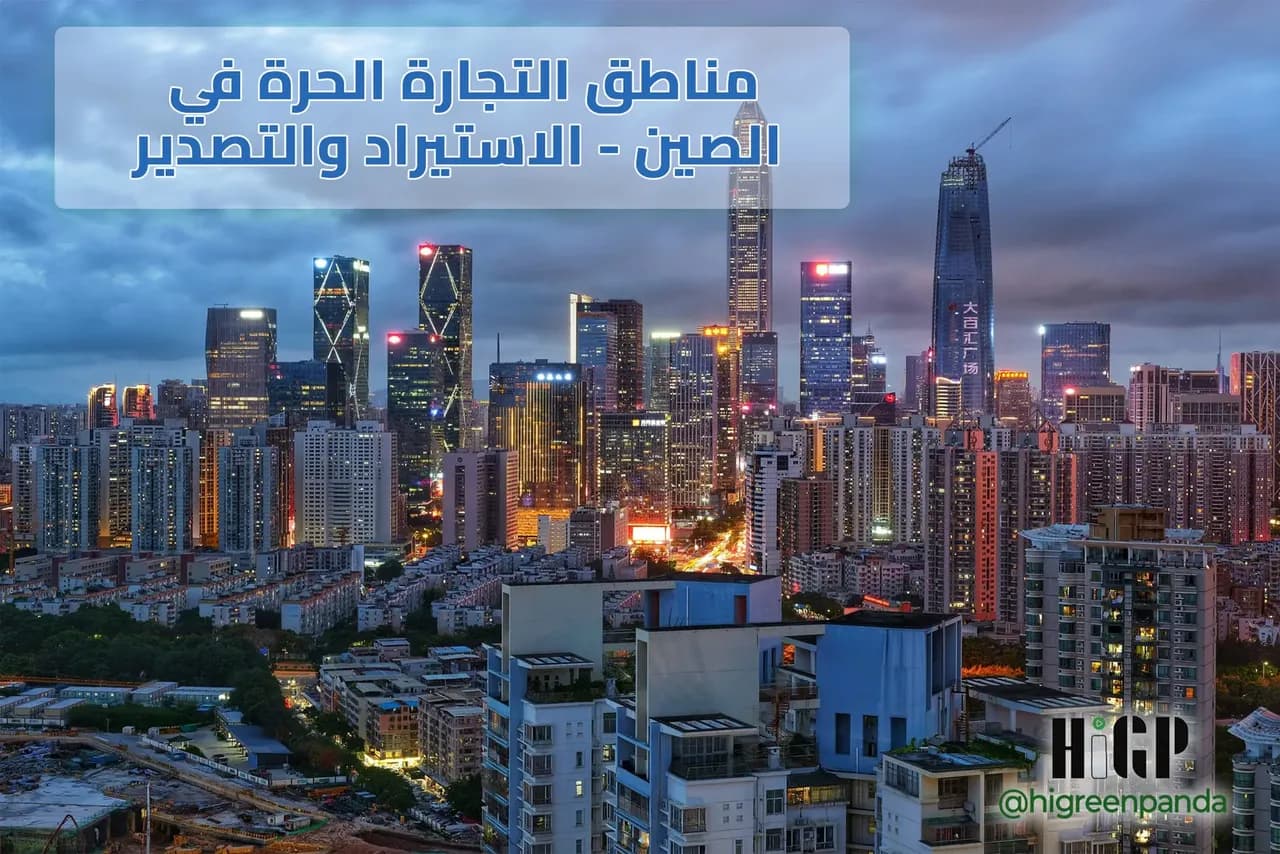
The China (Shanghai) Pilot Free Trade Zone was the first, set up in 2013, and it remains one of the largest and most active. Since then zones have been added in Tianjin, Guangdong, Fujian, Zhejiang and many other provinces, and there are now more than 20 pilot FTZs. Hainan has a separate, broader Free Trade Port regime with its own rules.
FTZ versus bonded zone: the distinction that matters
A pilot FTZ is mainly a policy area: it tests easier rules on foreign investment, services and administration. The duty and VAT deferral you care about as a trader applies inside the customs-supervised areas, usually called comprehensive bonded zones or bonded port areas. Many of these sit within FTZs, and others are elsewhere. When a warehouse says it is "in the FTZ", ask whether it is inside the bonded area under customs supervision.
Key advantages of a free trade zone
- Customs and tax deferral: goods entering the bonded area pay no import duty or import VAT on entry. You pay only if and when the goods enter the Chinese domestic market.
- Simpler customs procedures: faster, more streamlined clearance, which cuts time and handling costs.
- Storage and re-export: goods can be held for long periods and re-exported to other markets without paying Chinese duties. Check the storage conditions and any time rules for your zone.
- Value-added processing: assembly, packing, labelling and some light manufacturing are allowed, so you can adapt one product for several markets.
- Better cash flow: deferring duties and taxes frees working capital for stock you sell into China.
- Flexible investment rules: some zones ease foreign ownership limits in certain sectors ahead of the national rules.
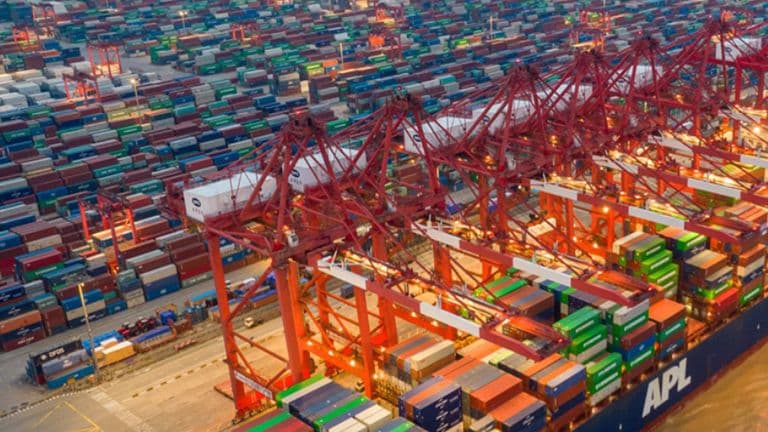
- Integrated logistics: modern warehouses, distribution centres and port, air and rail links in one place.
For exporters there is another point: when goods move from mainland China into a comprehensive bonded zone, they are generally treated as exported, so the Chinese supplier can apply for its export VAT rebate at that stage. Confirm with your supplier and the warehouse operator how this works in the zone you choose.
What you can do inside a zone
Free trade zones support a wide range of commercial activity:
- International trade: import and export of goods.
- Logistics and distribution: storage, consolidation, sorting and onward shipping.
- Manufacturing: light manufacturing and assembly operations.
- Financial services: in some zones, trade-related financial services such as cross-border settlement are permitted.
- Cross-border e-commerce: zones are a common base for sellers who serve Chinese consumers from bonded stock or re-export products to other markets.
How a Gulf importer can use a zone
Consolidating orders from several suppliers
If you buy from 5 suppliers in different provinces, each can deliver to one bonded warehouse near the port. The goods are checked, relabelled in Arabic and English if needed, and loaded into one 20ft or 40ft container instead of several part-loads. This is one of the practical strategies to reduce import costs, and it gives you one place to run a pre-shipment inspection.
Using China as a regional re-export hub
If you sell to several markets, for example Saudi Arabia, the UAE and East Africa, you can hold stock in the zone and split shipments as orders come in, without paying Chinese import charges on goods that never enter China. Labels, manuals and conformity marks can be adjusted for each destination inside the zone.
Selling into China
If you want to sell Gulf products such as dates, perfumes or cosmetics to Chinese consumers, the bonded cross-border e-commerce model lets you hold stock in a zone and clear each consumer order individually under the cross-border retail rules. This avoids paying duty on unsold stock. Product eligibility and labelling rules apply, so check your category first.
Setting up a company in a zone
Some traders register their China company inside an FTZ to benefit from easier foreign investment rules or local support. Read our guides to establishing an import and export company in China and foreign direct investment in China before deciding where to register.
What a zone costs, and when it is not worth it
Bonded warehouses charge for inbound handling, storage (usually per pallet or per cubic metre per day), labelling or repacking labour, customs declarations and outbound loading. Rates vary widely by city, season and volume, so ask for an all-in quote per container based on your real cargo, not a rate card. Then compare it with what you pay today for separate part-load shipments, and for the extra inspections those shipments need. Work both into your landed cost of importing from China.
A zone rarely pays off if one supplier fills a full container on its own, if goods ship straight from the factory to one destination, or if your volumes are only a few cartons a month. In those cases a good freight forwarder and a pre-shipment inspection of the factory and goods do the job at lower cost. The zone starts to earn its fees when you combine several suppliers, several destination markets, or stock you plan to sell inside China.
How to use a free trade zone, step by step
- Map your flow. Write down where your suppliers are, which port you ship from, your destination markets and whether any goods will be sold inside China.
- Choose the right zone. Match the zone to your activity and geography: a zone near Shenzhen or Guangzhou suits South China suppliers, while Shanghai or Ningbo suits the Yangtze River Delta.
- Confirm it is a bonded area. Ask the warehouse for proof that it operates under customs supervision and what activities its licence covers.
- Understand the rules. Even with simpler procedures, zones have rules on record-keeping, allowed processing and moving goods in and out. Learn them before your first shipment.
- Get specialist help. A consultant or logistics agent who works in the zone every day will handle declarations, inventory records and customs communication.
- Run a pilot shipment. Test one consolidated container, measure the real cost per carton and the time saved, then decide whether to scale up.
When you compare partners, check they can cover five things: advice on which zone fits your business, coordination of storage, distribution and re-export, customs clearance within the zone, value-added work such as labelling and light assembly, and guidance on zone-specific compliance. HiGreenPanda offers this as part of full import process management, coordinating bonded storage, consolidation and re-export for clients.
Common mistakes with free trade zones
- Assuming any warehouse with "FTZ" in its address offers bonded treatment.
- Expecting a zone to remove your destination country's duties. Saudi, UAE or other Gulf duties and conformity rules still apply when goods arrive.
- Using a zone for a single supplier and a full container, where it may add handling cost without saving anything.
- Moving goods from the zone into the Chinese market without the correct declaration, which creates tax liabilities.
- Relabelling or repacking without checking that the new labels meet destination rules.
- Keeping poor inventory records. Customs expects stock in the bonded area to match the declarations.
Our compliance checklist for importing from China lists the documents your destination customs will expect, whichever route the goods take.
What to do this week
- List your last 6 shipments with supplier locations, container sizes and freight cost per carton.
- Mark where two or more suppliers shipped part-loads in the same month; those are your consolidation candidates.
- Ask two logistics providers near your main port for a quote on bonded storage, consolidation and labelling.
- Confirm in writing that each quoted warehouse sits inside a customs-supervised bonded area.
- Compare the quotes against your current landed cost before you commit to a pilot container.
本文解答的问题
What is a free trade zone in China?
It is a defined area with preferential policies and simpler customs procedures. Inside its bonded areas, goods can be stored, repackaged, processed or manufactured without paying Chinese customs duties or VAT until they enter the domestic market, and not at all if they are re-exported.
What was the first free trade zone in China?
The China (Shanghai) Pilot Free Trade Zone, established in 2013, was the first. Zones have since been added in Tianjin, Guangdong, Fujian, Zhejiang and many other provinces, and Hainan has its own Free Trade Port regime.
Do I pay customs duty on goods stored in a Chinese free trade zone?
No, not while goods remain in the bonded area. Duty and import VAT become payable only if the goods are released into the Chinese domestic market. Goods re-exported to other countries do not pay Chinese import charges.
Can a free trade zone lower my shipping costs from China?
It can if you buy from several suppliers. Each supplier delivers to one bonded warehouse, and the goods are consolidated into full containers instead of several part-loads. With a single supplier filling a full container, the saving is usually small.
What is the difference between an FTZ and a bonded zone in China?
A pilot FTZ is a policy area that tests easier rules for investment and services. The duty and VAT deferral applies in customs-supervised areas such as comprehensive bonded zones and bonded port areas, many of which sit within FTZs.
HiGreen Panda Marketing