Economy and the Belt and Road
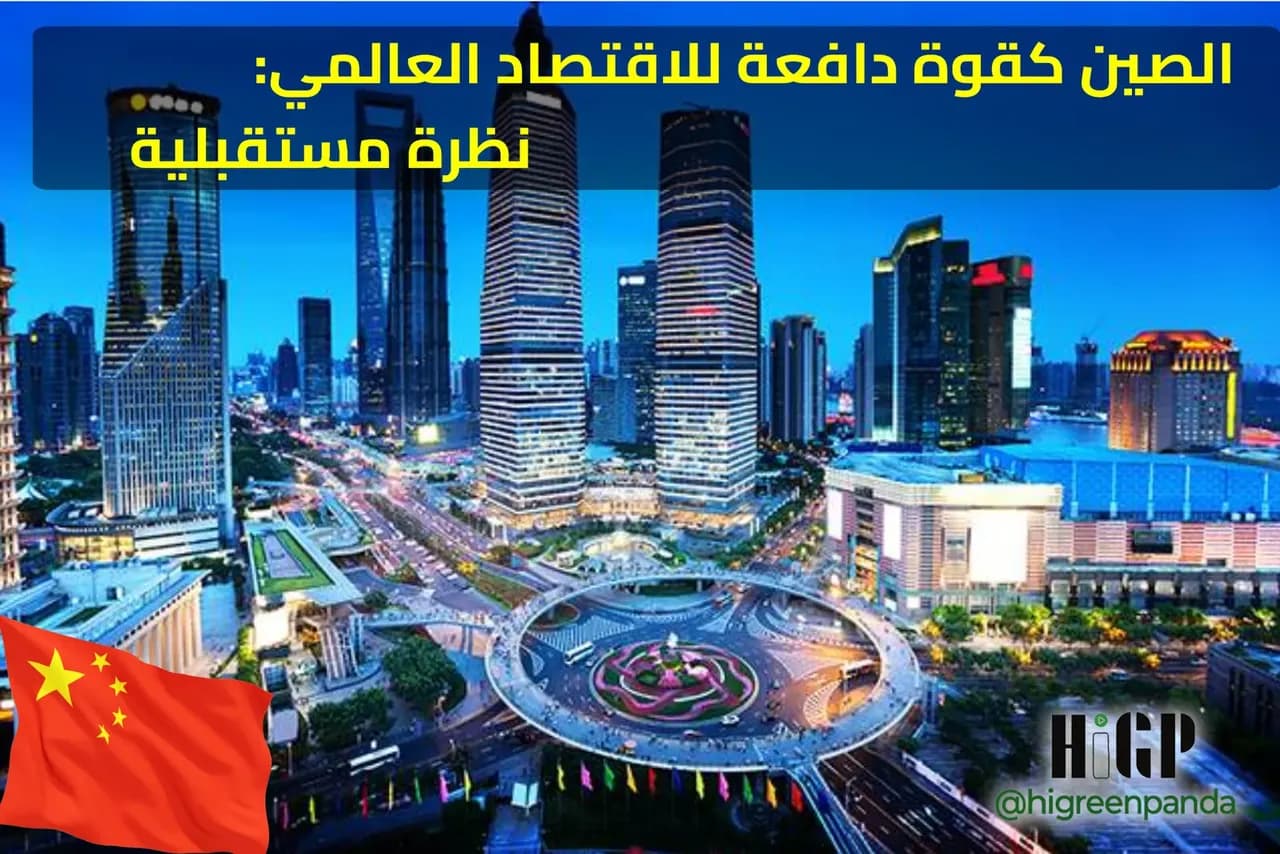
China Economic Outlook: A Driving Force for the Global Economy
China set a 5% growth target for 2024 and met it, but the IMF expects growth to slow to 3.3% by 2029. Here is what a slower, more selective China means for your prices, suppliers and payment terms.
作者:萨米·哈吉里阅读约需 8 分钟
If you buy from Chinese factories, headlines about China's growth rate can feel remote from your next container. They are not. The China economic outlook shapes the prices you are quoted, how hard suppliers compete for your order, and how stable those suppliers will be in 12 months. By the end of this guide you will know where China's growth stands, which industries are rising, what the geopolitical risks cost, and what to change in your sourcing this week.
Where China's growth stands today
The 5% target and what happened
At the start of 2024 China announced a growth target of around 5%. By the middle of that year, nearly seven months in, economists and government officials said they were optimistic the target could be reached. Official figures from the National Bureau of Statistics later put 2024 growth at 5.0%. Beijing set a target of around 5% again for 2025. For the latest quarterly figures, check the National Bureau of Statistics release, which is usually published in the middle of the month after each quarter ends.
From extraordinary growth to a slower pace
After the open, reform-minded economic policies of the 1970s and 1980s, China's growth rate was unmatched. Economic output per person rose by about 3000% over the following decades. That era is over. Growth has slowed in recent years, and the International Monetary Fund expects it to fall to 3.3% by 2029.
A 3.3% economy is still large. China remains the world's biggest manufacturer and the largest trading partner for most Gulf states. What changes is the mood inside factories: domestic orders grow more slowly, so export buyers like you matter more to them.
Which indicators to watch each month
The annual GDP figure arrives too late to guide a purchase. Two monthly numbers are more useful. The official manufacturing PMI, published by the National Bureau of Statistics at the end of each month, shows expansion above 50 and contraction below 50. Export figures from the General Administration of Customs, released around the 7th to 10th of each month, show whether factories are winning or losing overseas orders. Several months of PMI below 50 usually means spare capacity, and spare capacity means room to negotiate.
What high-quality growth means for the products you buy
In 2017 President Xi Jinping said China would move its economy from a period of high-speed growth to a stage of high-quality growth. Experts still see that shift as vital for medium and long-term growth. In practice it means the state backs higher-value industries and tolerates the decline of low-margin ones.
The industries China is betting on
Experts agree China needs new ways of growth to keep expanding steadily. The main ones are artificial intelligence, digital financial services and green technologies such as electric vehicles, batteries and solar equipment. These sectors receive policy support, subsidies and bank lending. For you, that means supply in these categories is deep, competitive and improving each year. You can follow the longer plan in our timeline of China's move towards a knowledge economy.
The industries under pressure
Labour-intensive, low-margin categories such as basic textiles, simple furniture and low-end plastics face rising wages and tighter environmental rules. Some of that production has moved inland or to Vietnam, Bangladesh and Indonesia. If you buy in these categories, expect more factory closures and mergers, and read how China's changing workforce affects manufacturing costs and wages before you lock in a long-term price.
- Rising categories: EVs and parts, lithium batteries, solar panels and inverters, smart home devices, industrial automation.
- Stable categories: household goods, building materials, machinery, auto spare parts.
- Pressured categories: simple garments, basic furniture, low-value plastics, anything with thin margins and high labour content.
Geopolitical headwinds and what they cost
Despite a positive short-term outlook, analysts point to two obstacles: geopolitical tensions and global economic fragmentation. The IMF estimated that fragmentation and new trade restrictions could cost the global economy USD 7.4 trillion, cutting global output by up to 7%.
For a Gulf importer, fragmentation works in two directions. US and EU tariffs on Chinese EVs, steel and solar goods push Chinese exporters to look for other markets, and the Gulf is one of them. That gives you more choice and more bargaining power. At the same time, sanctions, export controls and shipping disruptions can hit your supply chain without warning. During 2024, cargo heading to Red Sea ports such as Jeddah and Aden faced surcharges and longer transit times because of security risks around Bab el-Mandeb.
Our guide to assessing geopolitical risks in your trade with China sets out how to score each supplier and route. On the positive side, the long-running China and GCC free trade talks and wider Chinese free trade agreements could lower duties on some lines if they conclude.
How a slower China changes your buying position
You have more negotiating power
When domestic demand is soft, factories compete harder for export orders. Buyers have reported lower MOQs, longer price validity and better payment terms than before 2020. The common 30% deposit and 70% before shipment is now often negotiable to 30/70 against a copy of the bill of lading for repeat buyers. Ask; do not assume.
Supplier stability matters more
Price wars in crowded sectors push weaker factories out. A supplier that quotes 15% below the market may be selling at a loss to keep its lines running. If it closes after taking your deposit, recovering the money is slow and uncertain.
Currency and payments
Gulf currencies such as the AED, SAR, QAR, OMR, BHD and KWD are pegged to or managed against the US dollar, so the CNY to USD rate drives your cost. The yuan traded roughly between 7.0 and 7.3 per US dollar over 2023 to 2025. Some suppliers now accept payment in CNY, which can save 1% to 3% in conversion spread. Our Belt and Road guide explains how new payment and logistics links are forming, see China's Belt and Road Initiative.
- Check the supplier's business licence and registered capital on the National Enterprise Credit Information Publicity System.
- Ask for export records for the last 12 months, ideally shipments to the Gulf.
- Compare at least 3 quotes; treat any price more than 15% below the median as a warning.
- Pay deposits only to a corporate account in the same name as the contract.
- Book a pre-shipment inspection before releasing the balance.
- Agree which currency you pay in and who carries the exchange risk.
Adjusting your China sourcing plan for the next 12 months
Use this sequence once a year, or when a major policy or tariff change hits your category.
- List your top 10 products by spend and mark each as rising, stable or pressured using the categories above.
- For pressured categories, identify one backup supplier in a different province, or outside China, and request samples.
- For rising categories, ask current suppliers for their new models and specifications; improvements arrive every 6 to 12 months.
- Renegotiate terms with long-standing suppliers: MOQ, price validity of at least 90 days, and balance payment timing.
- Check whether any of your products face new export controls or anti-dumping duties in your market.
- Review your routes: compare Jebel Ali, Dammam, Jeddah and Aden options for cost and transit time.
- Set a currency rule, for example review prices if the CNY moves more than 3% against the USD.
Common mistakes when reading China's economic news
- Treating a lower growth rate as a sign China is no longer worth sourcing from. Its manufacturing base is still the deepest in the world.
- Chasing the lowest quote in a price war without checking the supplier's financial health.
- Ignoring tariff news from the US and EU. Goods blocked there often arrive in Gulf markets at lower prices, which can hit your resale margins.
- Signing long fixed-price contracts in categories where prices are falling.
- Assuming shipping costs will stay where they are. Route disruptions can double freight rates within weeks.
- Relying on social media summaries instead of the official National Bureau of Statistics and IMF releases.
What to do this week
Pull your purchase data for the last 12 months and sort your products into rising, stable and pressured categories. Email your three largest suppliers to ask about new models, current MOQs and payment terms, and compare their answers with at least one fresh quote per product. Then read the latest IMF World Economic Outlook section on China so your plan rests on current numbers.
If you want local help finding and vetting alternative factories, HiGreenPanda's product sourcing team works on the ground in Shenzhen and Shanghai.
本文解答的问题
What is China's economic growth forecast?
China grew 5.0% in 2024 and set a target of around 5% for 2025. The IMF expects growth to slow gradually, reaching about 3.3% by 2029. Check the National Bureau of Statistics and the IMF World Economic Outlook for the latest figures.
Is China still a good place to source products from?
Yes for most categories. China remains the world's largest manufacturer and slower domestic demand makes factories keener on export orders. The main change is that you must check supplier stability more carefully, especially in sectors with price wars.
What is high-quality growth in China?
In 2017 President Xi Jinping said China would move from high-speed growth to high-quality growth. It means backing higher-value industries such as artificial intelligence, digital finance and green technology rather than chasing volume in low-margin sectors.
How does global trade fragmentation affect Gulf importers?
The IMF estimated fragmentation could cost the world economy USD 7.4 trillion and up to 7% of output. For Gulf buyers it brings more Chinese supply diverted from the US and EU, but also more risk from sanctions, export controls and route disruptions.
Does the yuan exchange rate affect my import costs?
Yes. Most Gulf currencies are pegged to or managed against the US dollar, so the CNY to USD rate drives your cost. Set a rule to review prices when the rate moves more than about 3%, and agree in the contract who carries the exchange risk.
HiGreen Panda Marketing