Industries and sectors
Impact of China's Changing Workforce on Manufacturing Costs and Wages
China's labor market - the world's largest - is undergoing a period of rapid change. As the population ages, working-age population shrinks, and new forms of employment spread, China seeks to upgrade its workforce skills to increase value and efficiency.
By Sami Al-Hajri4 min read
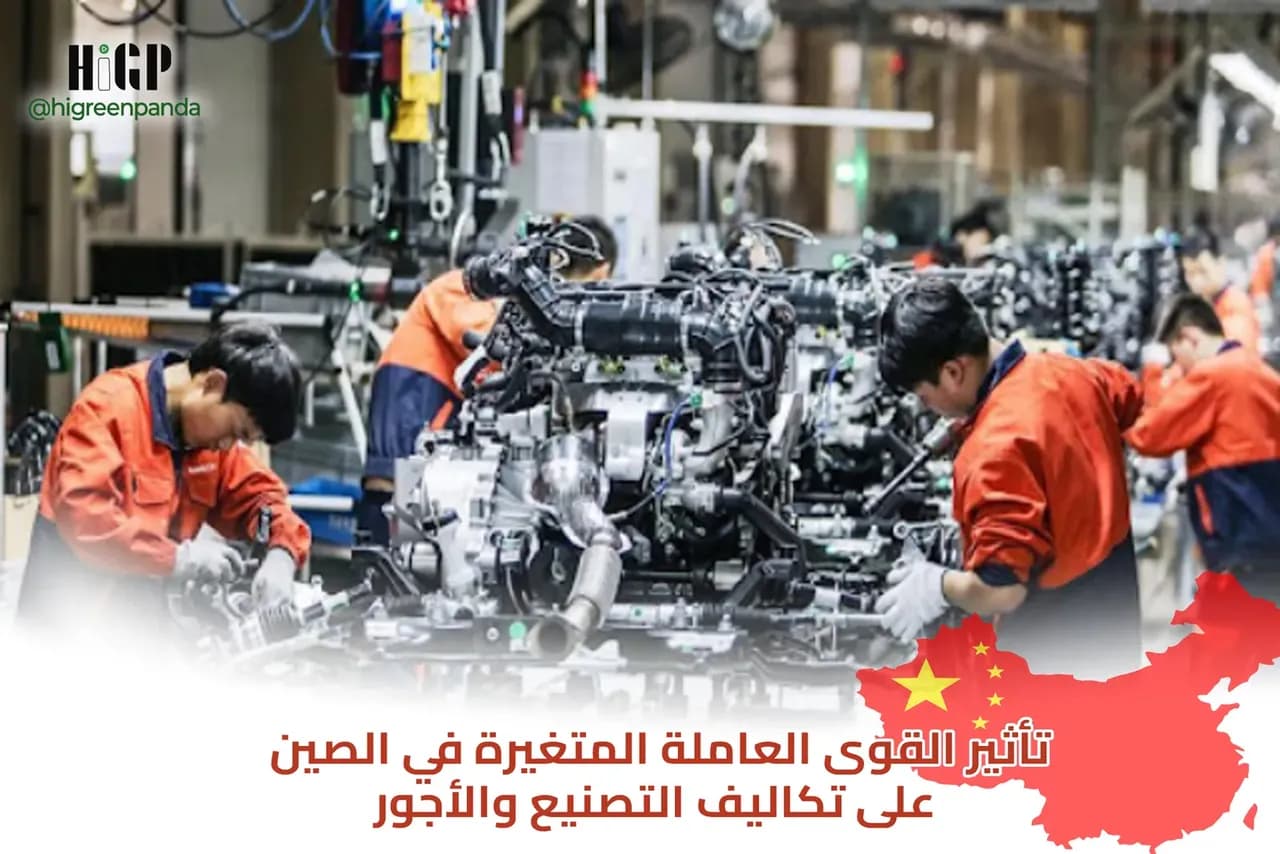
China's labor market - the world's largest - is undergoing a period of rapid change. As the population ages, working-age population shrinks, and new forms of employment spread, China seeks to upgrade its workforce skills to increase value and efficiency.
Overview of China's Workforce
Basic Numbers:
- Total workers: 402 million people at the beginning of 2022 (up from 391 million in 2017)
- Total workforce size: 733.5 million people (down from 746.5 million in 2021)
- Migrant workers: about 293 million in 2022 (72% of total workers)
Demographic and Educational Shifts
Age and Education:
Aging:
- Average worker age rose to 38.3 years in 2022 from 37.1 in 2017
- Average age of industrial workers: 38.29 years
- Most professional and technical workers are between 30-50 years old
Education Level:
- Average education length rose to 13.8 years in 2022 from 13.6 in 2017
- More than 85% of workers have high school diploma or higher
- 35% have university degrees
- Workers in tertiary industries (services): 14.5 years education
- Workers in secondary industry: 13 years education
- Workers in primary industry (agriculture): 12.5 years education
Rising Labor Costs
Wages and Income:
Wage Growth:
- Individual wage income: 20,590 yuan (about $2,993 USD) in 2022
- 4.9% increase from previous year
- Represents 55.8% of disposable income
- Average monthly wage for migrant workers: 4,614 yuan (about $671 USD)
- 4.1% increase from 2021
Minimum Wages:
- Ranges from 1,420 yuan (about $206 USD) in some Liaoning regions
- To 2,590 yuan in Shanghai
- 14 regions have monthly minimum above 2,000 yuan (about $308 USD)
Income by Industry:
- Highest: Information transmission and computer services and software - 201,506 yuan annually (about $29,290 USD)
- Lowest: Accommodation and food - 53,631 yuan annually (about $7,795 USD)
- Average urban resident income: 106,837 yuan annually (about $15,529 USD) in 2021
Major Labor Market Trends
- Population Aging
Demographic Challenge:
- Average age of China's workforce is higher than other developing markets like Mexico and Vietnam
- But significantly lower than developed countries like Germany and Japan
- China's population declined for the first time in decades in 2022 by about 850,000 people
UN Demographic Modeling:
- China's population is expected to decline to 1.313 billion by 2050
- To less than 800 million by 2100
- New and Flexible Employment
Gig Economy Workers:
- About 84 million people work in new forms of employment
- Represent 20.9% of total workforce
- Includes ride-hailing drivers, delivery couriers, food delivery drivers
- Improved Worker Rights
Government Initiatives:
- Issued policy guidelines in 2021 to ensure minimum wage payment for delivery workers
- 2022 regulations on recommendation algorithms to ensure worker rights
- Passed women's rights protection law in October 2022
- Supreme Court ruling in September 2021 that 996 work scheduling is illegal
Impact of Changes on Manufacturing
- Rising Production Costs
Affecting Factors:
- Wage increases: Continuous growth in minimum and average wages
- Improved living standards: Increased living costs especially in manufacturing centers
- Education and training: Increased costs for qualified and trained employees
- Regulatory compliance: Additional costs for compliance with new labor regulations
- Shortage in Traditional Labor
Structural Challenges:
- Structural gap in traditional manufacturing fields
- Demand for employee skill upgrading
- Younger generations less willing to work in factories
- Preference for higher-paying service sector jobs
- Shift Towards Automation
Adaptive Strategies:
- Investment in automation and digitization
- Upgrading traditional industries
- Focus on high-value production
- Training and retraining current workers
Effects on Foreign Companies
- Adjusting Cost Strategies
Available Options:
- Relocation to other regions: Like Vietnam, India, or Bangladesh
- Investment in automation: Reducing reliance on labor-intensive operations
- Moving up value chain: Focus on high value-added products
- Local markets: Focus on Chinese domestic market
- New Opportunities
Growing Sectors:
- Technology: Increasing demand for technically skilled labor
- Services: Growth in service sector and digital economy
- Healthcare: Expansion with population aging
- Education and training: Opportunities in professional skill development
Future Outlook
Short-term (2025-2027):
- Continued labor cost increases
- Increased investment in automation
- Growth in service and technology sectors
- Challenges in traditional manufacturing labor
Medium-term (2028-2035):
- Major shift towards knowledge-based economy
- Gradual workforce decline
- Increased importance of productivity and efficiency
- Development of new worker skills
Long-term (2035-2050):
- Major demographic challenges
- Greater reliance on technology and artificial intelligence
- Radical transformation in nature of work
- Increasing importance of attracting global talent
Adaptation Strategies for Companies:
- Technology Investment
- Implementing automation and AI solutions
- Developing more efficient processes
- Investment in research and development
- Talent Development
- Training and skill development programs
- Building partnerships with universities
- Attracting and retaining outstanding talent
- Geographic Diversification
- Exploring other markets for production
- Building diverse supply network
- Leveraging comparative advantages of different regions
China is experiencing a major transformation in its labor market that will affect the global economy. Companies that adapt to these changes and invest in technology and talent will be in a better position to succeed in the future.
HiGreen Panda Marketing