Industries and sectors
China's Textile Industry: Innovation and Sustainability
Transformation Toward Sustainability in China's Textile Industry
By Sami Al-Hajri2 min read
Transformation Toward Sustainability in China's Textile Industry
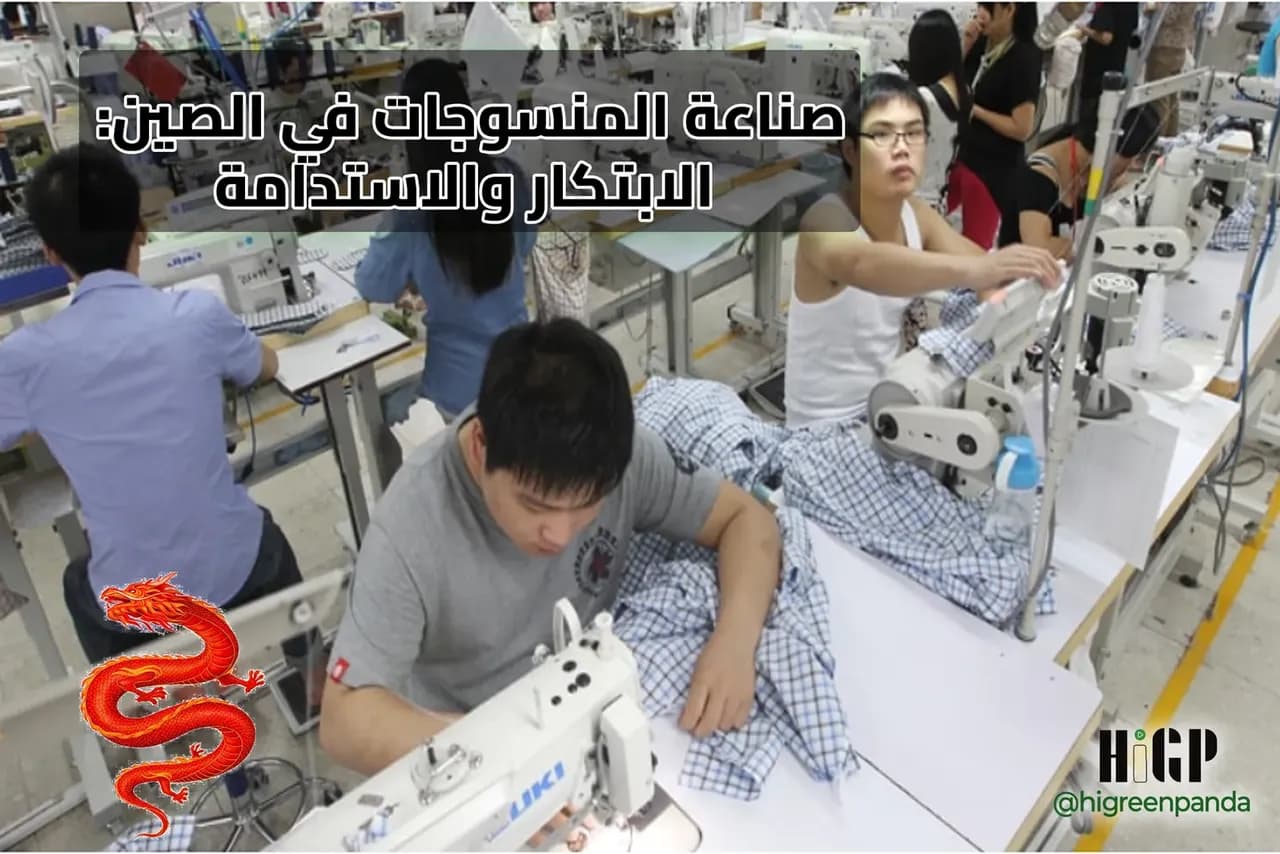
China's textile industry has witnessed a radical transformation toward sustainability, driven by multiple factors including government policies, increasing consumer demand, and global brand requirements.
Driving Factors for Change:
Government Policies and Initiatives
In 2016, China introduced its 13th Five-Year Plan focusing on green development and environmental protection, with ambitious goals:
- Reduce water consumption in textile dyeing by 20%
- Reduce energy use by 18%
- Reduce water pollution by 10%
Increasing Consumer Demand
A 2020 PwC survey showed that 72% of Chinese consumers consider sustainability an important factor when purchasing, especially among younger generations.
Global Brand Requirements
Global fashion giants like H&M, Nike, and Adidas have set strict sustainability standards for their Chinese suppliers.
Pioneers in Sustainable Manufacturing:
Huafu Top Dyed
Specialized in melange yarns and developed dyeing technologies that use 30% less water, while recycling more than 6 billion plastic bottles annually to produce recycled polyester yarns.
Hemp Fortex
Pioneer in hemp fabric production that requires 50% less water than cotton and doesn't need pesticides.
Jiangsu Lianfa Textile
Invested in closed-loop systems that recycle 95% of wastewater and produce fabrics like Tencel and organic cotton.
Sustainable Materials and Processes:
Recycled Materials
- Recycled polyester (rPET) from plastic bottles
- Recycled nylon and recycled cotton
Natural and Organic Fibers
- Organic cotton, hemp, and Tencel (from wood pulp)
Eco-Friendly Manufacturing
- Waterless dyeing, solar energy, and closed-loop systems
Challenges and Opportunities:
Challenges:
- Cost: Eco-friendly materials are more expensive than traditional materials
- Quality: Some sustainable fabrics face quality challenges
- Supply chain transparency
Opportunities:
- Sustainable growth proves profitable for many Chinese companies
- Access to higher quality markets and better prices
- Contributing to building a more sustainable future for fashion
HiGreen Panda Marketing