Industries and sectors
China's Food Industry: Understanding Restrictions and Specifications for Export to Arab Markets
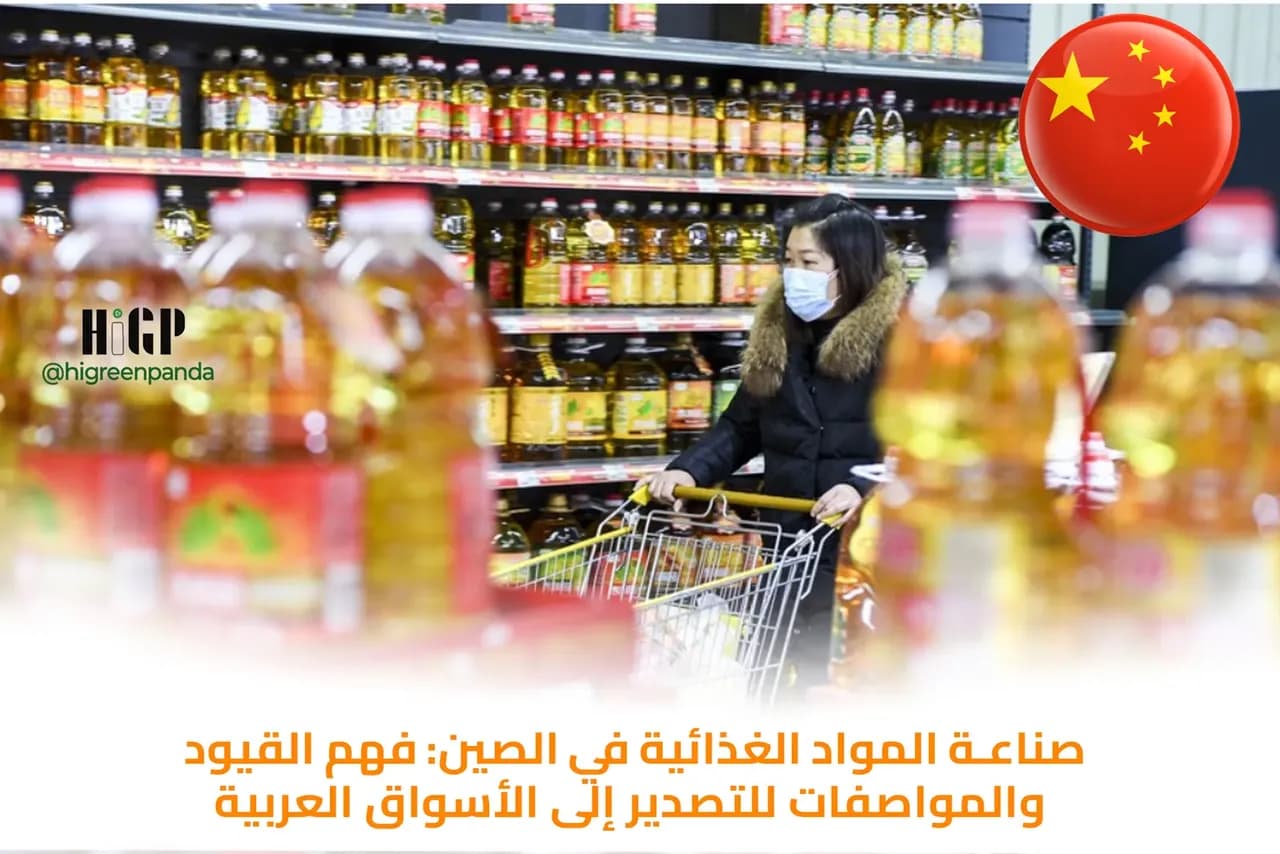
China emerged as the world's second-largest importer of food and beverage products after the United States in 2016, with imports exceeding 130 billion Australian dollars ($88.2 billion USD). By 2022, this figure rose to $110 billion USD.
By Sami Al-Hajri2 min read
China emerged as the world's second-largest importer of food and beverage products after the United States in 2016, with imports exceeding 130 billion Australian dollars ($88.2 billion USD). By 2022, this figure rose to $110 billion USD.
Step One: Complete Importer and Exporter Registration
Foreign exporters typically adopt two methods to deliver goods to China:
- General trade export
- Cross-border e-commerce (CBEC)
In both models, all foreign food and beverage exporters and importers must register through:
- Imported Food and Cosmetics Importer and Exporter Registration System
- Internet + Customs platform under China's General Administration of Customs
Products Requiring Additional Registration:
Some high-safety food products require additional registration, such as:
- Natural casings
- Aquatic products
- Dairy products
- Bird's nests and their products
- Bee products
- Eggs and egg products
- Edible oils and fats
- Oilseeds
Step Two: Prepare Documents and Prior Authorization
Documents Required for Customs Clearance:
- Commercial invoice
- Detailed packing list
- Bill of lading
- Export certificate from country of origin
- Health/hygiene certificate
- Packing date certificate (for beverages)
- Free sale certificate
- Original label sample
- Chinese label sample
- Inspection certificate issued by AQSIQ
Prior Import Authorization:
Generally, food products entering China do not require prior import authorization. However, if the product is listed in the 2023 Automatic Import Licensing Commodity Catalog, such as poultry or dairy products, importers must apply for automatic import authorization.
Step Three: Labeling
Every food product imported into China must be labeled in simplified Chinese characters to complete customs clearance. Several rules determine labeling requirements for food and beverage layout and content in China:
- Rules for Pre-packaged Food Labels (GB7718-2011)
- Rules for Pre-packaged Food Labels for Special Dietary Uses (GB 13432-2013)
- Rules for Food Nutrition Labeling of Pre-packaged Foods (GB28050-2011)
The label must provide the following information:
- Standardized name of the food item
- List of ingredients as percentages
- Name and address of manufacturers or local agent or distributor
- Production date, best before, expiry date, and storage instructions
- Country of origin
- Quality grade
- National standard/industry standard code for production
Recent Regulatory Developments
China's General Administration of Customs (GACC) issued measures for imported and exported food safety and food safety management systems on April 12, 2021. These regulations introduced important changes including:
- Expanded registration scope: Registration requirements extended to include companies involved in processing and storing these products for export to China
- Updated registration methods: Registration method varies by product category
- Simplified application materials: Some documents no longer required after food safety assessment
- Enhanced registration approvals: GACC can assemble experts or agents to evaluate applications
HiGreen Panda Marketing