Industries and sectors
China Textile Industry: Innovation, Sustainability and Sourcing
China's textile mills are cutting water and energy use and making recycled and organic fabrics at scale. Here is what drives the change, which materials to ask for, and how to source sustainable fabric without paying for empty claims.
作者:萨米·哈吉里阅读约需 7 分钟
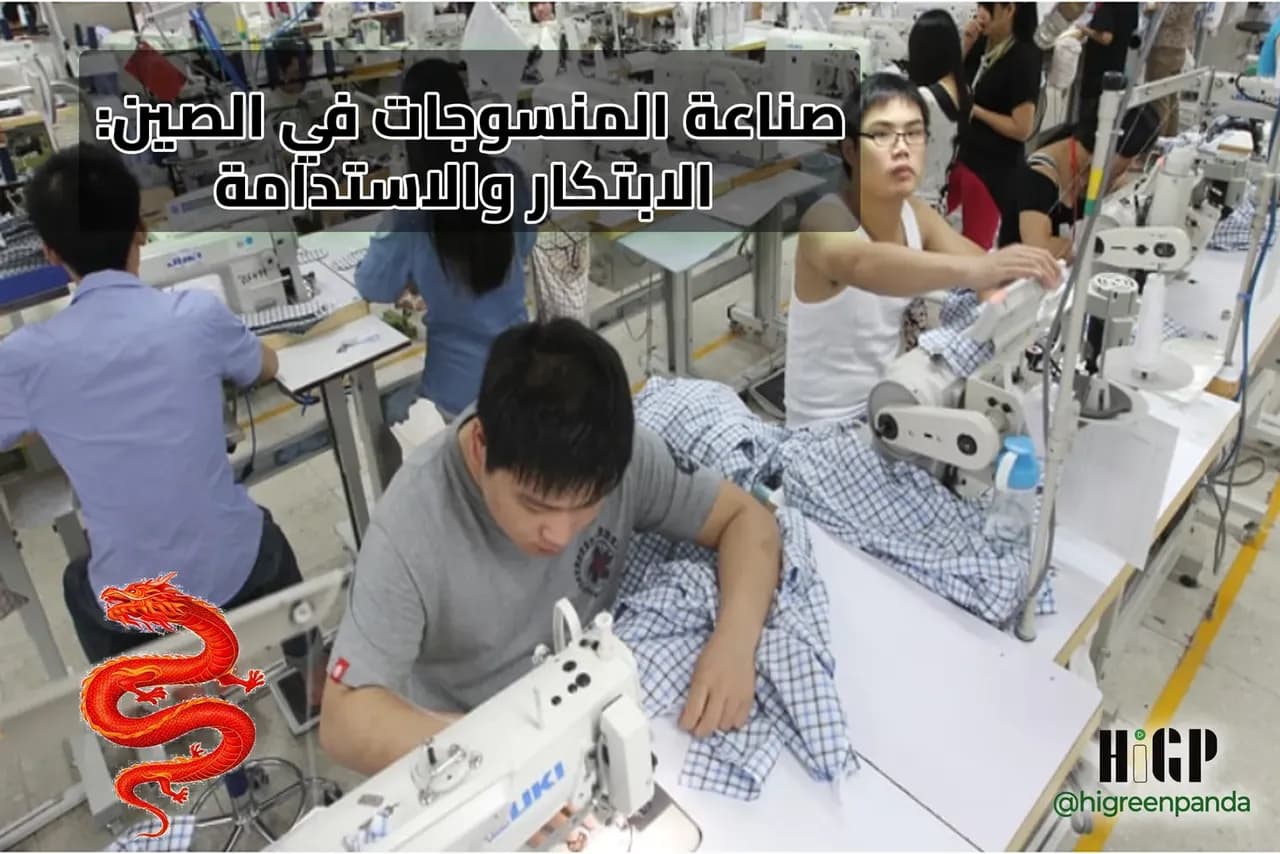
Your customers, or the brands and hotel groups you supply, are starting to ask where your fabric comes from and what it is made of. The China textile industry has changed a great deal in 10 years: mills now recycle wastewater, dye with less water and spin yarn from plastic bottles. By the end of this guide you will know what is driving that shift, which mills and materials lead it, what it costs, and how to source sustainable fabric from China with documents that stand up to scrutiny.
Why China's textile mills are going green
Three forces pushed Chinese textiles towards sustainability at the same time: government policy, consumer demand at home and the requirements of global brands.
Government policy and targets
In 2016, China introduced its 13th Five-Year Plan, covering 2016 to 2020, with a focus on green development and environmental protection. For textiles it set demanding goals:
- Reduce water consumption in textile dyeing by 20%
- Reduce energy use by 18%
- Reduce water pollution by 10%
Dyeing and finishing are the dirtiest stages of textile production, so these targets hit hardest in the dyeing clusters of Zhejiang, Jiangsu and Guangdong. Many small dye houses that could not afford treatment plants closed or merged. For buyers, that means fewer but larger and better-equipped suppliers, and prices that now include the cost of environmental compliance.
Consumer demand in China
A 2020 PwC survey found that 72% of Chinese consumers consider sustainability an important factor when they buy, especially younger shoppers. Chinese mills therefore develop sustainable ranges for their home market as well as for export, which widens the choice available to you.
Requirements from global brands
Global fashion companies such as H&M, Nike and Adidas have set strict sustainability standards for their Chinese suppliers, covering chemicals, water, energy and working conditions. A mill that supplies these brands has already passed their audits, which is useful evidence when you assess it. Our guide on choosing environmentally friendly suppliers explains how to read those audit results.
The mills leading sustainable manufacturing
Huafu Top Dyed
Huafu specialises in melange yarns, which are blended from fibres dyed before spinning. It has developed dyeing technologies that use 30% less water and recycles more than 6 billion plastic bottles a year into recycled polyester yarn.
Hemp Fortex
Hemp Fortex is a pioneer in hemp fabric. Hemp needs 50% less water than cotton and no pesticides, and it blends well with cotton and Tencel for shirting and casual wear.
Jiangsu Lianfa Textile
Lianfa has invested in closed-loop systems that recycle 95% of its wastewater, and it produces fabrics such as Tencel and organic cotton.
These companies set the benchmark, but most buyers will work with smaller mills that follow the same methods. Use the figures above as a reference when a supplier tells you how much water or energy it saves, and ask for the evidence.
Sustainable materials and processes to ask for
Recycled materials
- Recycled polyester (rPET) made from plastic bottles; ask for Global Recycled Standard (GRS) certification
- Recycled nylon and recycled cotton, usually blended with virgin fibre for strength
Natural and organic fibres
- Organic cotton, certified to the Global Organic Textile Standard (GOTS) or the Organic Content Standard
- Hemp, which needs little water and no pesticides
- Tencel, a trademarked lyocell fibre made from wood pulp; ask the mill for proof that its fibre is genuine
Cleaner manufacturing
- Waterless dyeing and dope-dyed yarns, where colour is added before spinning
- Solar power on factory roofs
- Closed-loop water systems that treat and reuse wastewater
For chemical safety of the finished fabric, OEKO-TEX Standard 100 is the certificate most buyers recognise. It tests for harmful substances but does not prove recycled or organic content, so you may need two certificates for one fabric.
The challenges and the opportunities
Challenges
- Cost: eco-friendly materials cost more than conventional ones. Ask for quotes on both versions side by side so you can see the premium.
- Quality: some sustainable fabrics have quality issues, for example recycled cotton with shorter fibres and lower strength. Test before bulk orders.
- Supply chain transparency: a mill may weave the fabric but buy yarn from several spinners, and claims can get lost along the way.
Opportunities
- Sustainable growth has proved profitable for many Chinese companies
- Sustainable products give access to higher-value markets and better prices
- Buyers who move early help build a more sustainable future for fashion and textiles, and secure capacity before demand peaks
Labour costs also shape pricing across the sector; our article on China's changing workforce and manufacturing wages explains why.
How to source sustainable fabric from China
- Define the fabric: fibre content, weight in grams per square metre, width, finish and the certificate you need.
- Find mills in the right cluster. Shaoxing's Keqiao district in Zhejiang is China's largest fabric trading hub, and Jiangsu and Guangdong have large weaving and knitting bases. Trade fairs such as Intertextile Shanghai and the Canton Fair let you compare many mills in a few days.
- Ask each mill for its certificates, the scope and expiry date, and the name of the certification body. Check the certificate in the body's online database.
- Request swatches and lab dips. Lab dips usually take 5 to 10 days; allow for 2 rounds before approval.
- Test the samples at an independent laboratory for composition, colour fastness, shrinkage and restricted chemicals.
- Agree the minimum order. Stock fabrics can often be bought by the roll; custom-dyed fabric commonly needs 1000 to 3000 metres per colour, depending on the mill and the process.
- For certified orders, require a transaction certificate for the shipment, which links your specific order to the certified supply chain.
- Inspect the bulk before shipment for shade, width, defects and roll labelling.
If you plan to have garments or home textiles made from the fabric as well, weigh the options in our article on contract manufacturing in China.
Where sustainable options fit Gulf products
Many of the fabrics Gulf traders buy in volume already have a sustainable version. Polyester and polyester-viscose blends for thobes, and the crepe and nida polyester used for abayas, can be woven from recycled polyester yarn with a similar hand feel; ask the mill for a GRS-certified version of the quality you already buy and compare them side by side. Hotel bed linen and towels in cotton or poly-cotton can switch to organic or recycled cotton blends, which suits hotel groups that report on sustainability. Uniform and workwear fabrics are the easiest to change, because buyers care more about durability and price than about appearance. In every case, test the recycled version for pilling, colour fastness to light and shrinkage, since Gulf heat, strong sunlight and frequent washing expose weak fabric quickly.
Checklist before you pay the deposit
- Certificate checked online and the mill's name matches the contract
- Approved lab dip and strike-off signed and kept by both sides
- Independent test report for the approved sample
- Written specification with tolerances for weight, width and shade
- Delivery date and penalty for late shipment agreed
- Inspection before balance payment written into the contract
Common mistakes when buying sustainable textiles
- Accepting a scanned certificate that belongs to another company or has expired.
- Assuming an OEKO-TEX label proves recycled or organic content. It does not.
- Ordering without a transaction certificate, then being unable to prove the claim to your own customers.
- Skipping the lab test because the swatch feels right. Composition and fastness cannot be judged by hand.
- Approving shade under shop lighting instead of a standard light box.
- Planning launches without allowing for Chinese New Year, when many mills close for 2 to 4 weeks.
What to do this week
Pick one fabric you buy regularly and write its full specification, including the sustainable version you want to test. Ask 3 mills for a quote on both the conventional and the certified version, together with their certificate numbers. If you want help finding and checking mills, product sourcing covers the shortlist and document checks, trade fair support helps you plan a visit to Shanghai or Guangzhou, and quality inspection checks the bulk before it leaves the mill.
本文解答的问题
Is the China textile industry becoming more sustainable?
Yes. Government targets set in 2016 cut water use in dyeing, energy use and water pollution, and global brands such as H&M, Nike and Adidas require strict standards from their Chinese suppliers. Leading mills now recycle up to 95% of wastewater and make yarn from recycled bottles.
Which certificates prove a fabric is sustainable?
The Global Recycled Standard (GRS) covers recycled content and the Global Organic Textile Standard (GOTS) covers organic fibre. OEKO-TEX Standard 100 tests for harmful substances. Ask for a transaction certificate for each certified shipment.
Are sustainable fabrics from China more expensive?
Usually, yes. Eco-friendly materials cost more than conventional ones, and the premium depends on the fibre, the certificate and the order size. Ask the mill to quote both versions side by side.
What is the minimum order for custom fabric from Chinese mills?
Stock fabrics can often be bought by the roll. Custom-dyed fabric commonly needs 1000 to 3000 metres per colour, depending on the mill and the dyeing process.
Where in China are most fabric suppliers?
Shaoxing's Keqiao district in Zhejiang is the largest fabric trading hub, with major weaving and knitting bases in Jiangsu and Guangdong. Intertextile Shanghai and the Canton Fair are efficient places to meet many mills at once.
HiGreen Panda Marketing