Industries and sectors
Made in China 2025: What China's Industrial Plan Means for Importers
Made in China 2025 set out to turn the world's factory into a high-tech industrial power. Here is what the plan covered, what changed in Chinese factories, and how importers can use it.
作者:萨米·哈吉里阅读约需 8 分钟
If you have bought from China for ten years or more, you have seen suppliers change: more machines, fewer workers, better finishing, and sometimes higher prices. Much of that shift traces back to Made in China 2025, the industrial plan Beijing launched in 2015. By the end of this guide you will know what the plan set out to do, which sectors it targeted, how the world reacted, and how to use the changes when you source products or machinery.
What is Made in China 2025?
Made in China 2025 is a strategic plan launched by the Chinese government in 2015. Its aim was to move China away from being the "world's factory", built on low-cost mass production, towards being a leading industrial power built on innovation, quality and advanced technology.
The plan was designed as the first stage of a longer programme. After strong international criticism from 2018 onwards, Chinese officials largely stopped using the name in public. The priorities themselves did not disappear; they continued through the five-year plans, the push for self-reliance in core technology and, more recently, the policy language of "new quality productive forces".
The 2025 deadline has now passed, so treat the plan as the foundation rather than the current rulebook. The period from 2026 to 2030 falls under the 15th Five-Year Plan, which carries the same themes of advanced manufacturing, technology self-reliance and green industry. When a supplier or investment bureau tells you a sector is a national priority, ask which current plan or local policy document says so, and read it on the official government website.
The ten priority sectors
The plan named ten sectors for upgrading. Knowing them tells you where Chinese factories received the most investment, subsidies and policy support, and where you can now expect the strongest suppliers.
- New-generation information technology, including chips and telecoms equipment.
- High-end computer-controlled machine tools and robotics.
- Aerospace and aviation equipment.
- Ocean engineering equipment and high-tech ships.
- Advanced rail transport equipment.
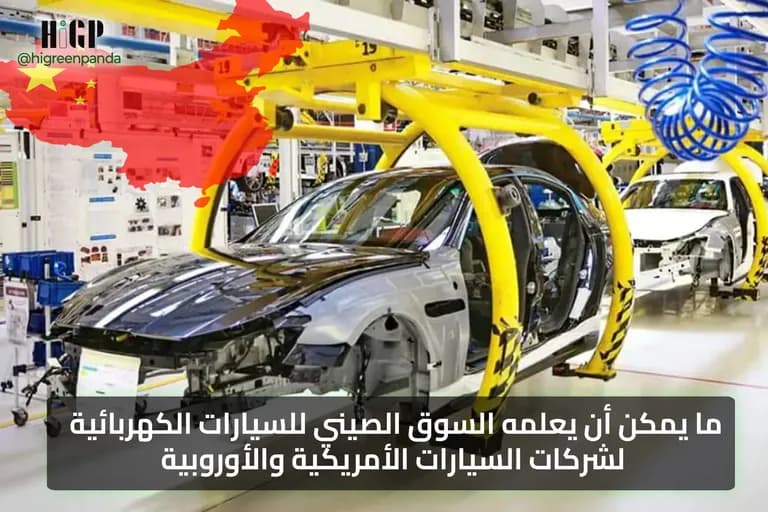
- Energy-saving and new energy vehicles.
- Power equipment for generation and transmission.
- Agricultural machinery and equipment.
- New materials.
- Biomedicine and high-performance medical devices.
Several of these match what Gulf importers buy today: electric vehicles and parts, solar and power equipment, machinery, agricultural equipment and medical devices. For the automation side in particular, read how robots and artificial intelligence are changing Chinese manufacturing.
The key objectives
Self-sufficiency in core components
The plan aimed for self-sufficiency in strategic industries. Widely cited targets called for the domestic content of core components and materials to reach 40% by 2020 and 70% by 2025. In practice, results varied sharply by sector: China became dominant in areas such as batteries, solar panels, electric vehicles, high-speed rail and shipbuilding, while it still depends on imports for the most advanced semiconductors and some precision equipment.
Quality and innovation over volume
The second aim was to raise the quality and innovation of Chinese products rather than compete only on volume and low price. That meant more spending on research, more automation, tighter national standards, and pressure on smaller factories to upgrade or close. The goal was for China to become a leading player in high-tech manufacturing worldwide.
How the world reacted
Made in China 2025 drew mixed reactions. Some saw it as a natural step for a large economy that wanted to compete in higher-value industries. Others, especially in advanced industrial nations, saw it as a threat to fair competition, pointing to state subsidies, forced technology transfer concerns and pressure on their own high-tech manufacturers.
That debate fed directly into the tariffs, export controls and investment screening that affect trade with China today. For a Gulf importer, the practical effects are twofold. Some Chinese products face high duties in the US and Europe, which pushes Chinese exporters to seek other markets, including the Gulf. And some high-tech items are subject to export controls on either side, so check licence requirements before you order advanced electronics or machinery.
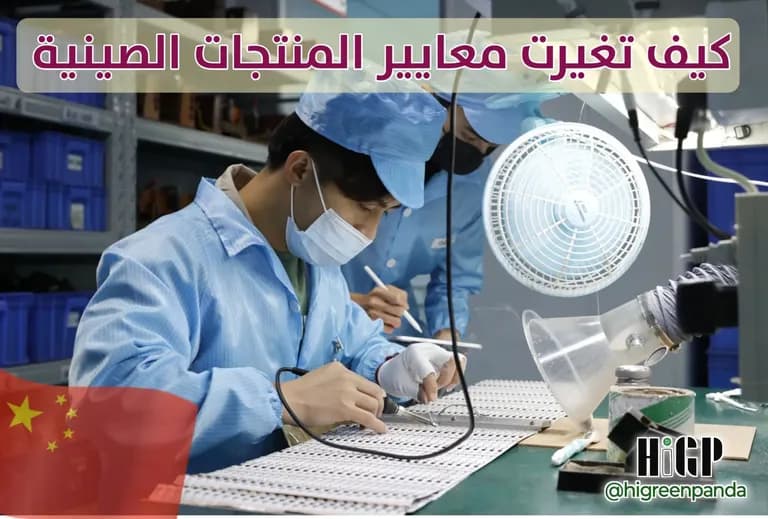
The plan has also pushed Chinese factories towards international quality standards and innovation. That benefits buyers: many suppliers now hold ISO certifications, run automated lines and can meet CE or other export standards more reliably than a decade ago.
What the plan means for you as an importer
Better suppliers, different trade-offs
- Quality: upgraded factories give more consistent output, but only if your specification is precise. Automation repeats mistakes as reliably as it repeats good work.
- Price: the lowest-price workshops are shrinking. Rising wages and automation costs mean unit prices in some categories rise, while tooling-intensive products can fall. See how the changing workforce affects manufacturing costs.
- MOQ: highly automated lines often prefer larger runs. Expect higher minimum order quantities, or pay a premium for small batches.
- Technology: in priority sectors such as EVs, solar and machinery, Chinese suppliers may now offer the newest technology rather than trailing it.
- Energy and green products: the plan overlaps with China's clean-energy push; our guide to investment in China's green energy sector covers that side.
Sourcing from an upgraded factory: steps
- Decide whether you need a manufacturer that designs (ODM) or one that builds to your drawings (OEM), and prepare a written specification with tolerances.
- Shortlist 3 to 5 factories in the right industrial cluster and verify each business licence and export record.
- Ask for certifications relevant to your market, such as ISO 9001, CE or your country's conformity scheme, and check that certificates are genuine.
- Visit or audit the factory to see whether the automation you were shown in photos is actually running your product line.
- Order a pre-production sample, approve it in writing, and book a pre-shipment inspection before paying the balance.
If you are weighing whether to own the process or outsource it, compare the options in contract manufacturing in China.
Where suppliers in the priority sectors cluster
Upgraded factories are not spread evenly across China. Each priority sector has a few provinces where suppliers, component makers and skilled engineers sit close together, which shortens lead times and makes audits easier. These are useful starting points, not complete lists.
- Electric vehicles and batteries: Guangdong (especially Shenzhen), Jiangsu, Zhejiang and Anhui.
- Solar and power equipment: Jiangsu and Zhejiang for panels and inverters; several inland provinces for large power equipment.
- Robotics and machine tools: Guangdong, Jiangsu, Zhejiang and Shandong.
- Agricultural machinery: Shandong and Henan.
- Medical devices: Shenzhen, Shanghai and Suzhou. Registration rules are strict in this sector; see our guide to China's medical devices and health technology industry.
Buying inside the right cluster also gives you negotiating room. With several capable factories within an hour of each other, you can compare samples in one trip and switch supplier without moving your whole supply chain.
Checklist before ordering high-tech products from China
- Written specification, including materials, tolerances, software versions and packaging.
- Certificates required in your market, obtained before shipment, not after arrival.
- Export control check for advanced electronics, drones, chips or machinery with dual-use potential.
- Warranty terms, spare-parts supply and remote technical support written into the contract.
- Intellectual property: your trademark and designs registered in China if you are commissioning a product.
- Inspection booked at the factory before the final payment.
Common mistakes importers make
- Assuming every Chinese factory has upgraded. The plan raised the ceiling, not the floor. Small workshops still sell alongside world-class plants, often through the same online platforms.
- Judging a factory by its showroom. Ask to see the line producing your item and the quality control records for it.
- Ignoring after-sales support. Machinery and EV parts need spare parts and technicians. Agree who provides them in your country.
- Forgetting trade politics. Tariffs and export controls can change quickly. A product that ships freely today may need a licence next year.
- Buying on price alone. Quality-focused suppliers price for consistency. The lowest quote often signals a factory outside the upgraded tier.
What to do next this week
List the products you import and mark which fall in the ten priority sectors. For those items, ask your current suppliers what they have automated or certified in the last three years, and request updated certificates. If you plan to add machinery, EV parts or solar equipment, prepare a one-page specification and shortlist factories in the relevant cluster. HiGreenPanda's product sourcing team can verify factories in these sectors on the ground.
本文解答的问题
What is Made in China 2025?
It is an industrial strategy launched by the Chinese government in 2015 to move China from low-cost mass production towards innovation, quality and advanced technology. It targeted ten priority sectors, from information technology and robotics to new energy vehicles and biomedicine.
What are the 10 sectors of Made in China 2025?
New-generation IT, high-end machine tools and robotics, aerospace, ocean engineering and high-tech ships, advanced rail, new energy vehicles, power equipment, agricultural machinery, new materials, and biomedicine with high-performance medical devices.
Did Made in China 2025 achieve its goals?
Results were uneven. China became a world leader in batteries, solar, electric vehicles, high-speed rail and shipbuilding, but still relies on imports for the most advanced chips and some precision equipment. The policy continues under other names in later five-year plans.
Why is Made in China 2025 controversial?
Some see it as a normal industrial upgrade. Critics in advanced economies argued it relied on state subsidies and technology transfer and threatened fair competition, which contributed to tariffs and export controls on Chinese high-tech goods.
How does Made in China 2025 affect importers?
Importers gain access to more capable, automated factories with better certifications, especially in priority sectors. The trade-offs are higher MOQs, shifting prices and more trade-policy risk, so specify precisely and check tariffs and export controls.
HiGreen Panda Marketing