Importing from China
Compliance Checklist for Importing from China: Step by Step
A four-stage compliance checklist for importing from China: find the rules for your product, prove it meets them, prepare the shipment and keep records after arrival, with a quick decision tree by product type.
作者:萨米·哈吉里阅读约需 8 分钟
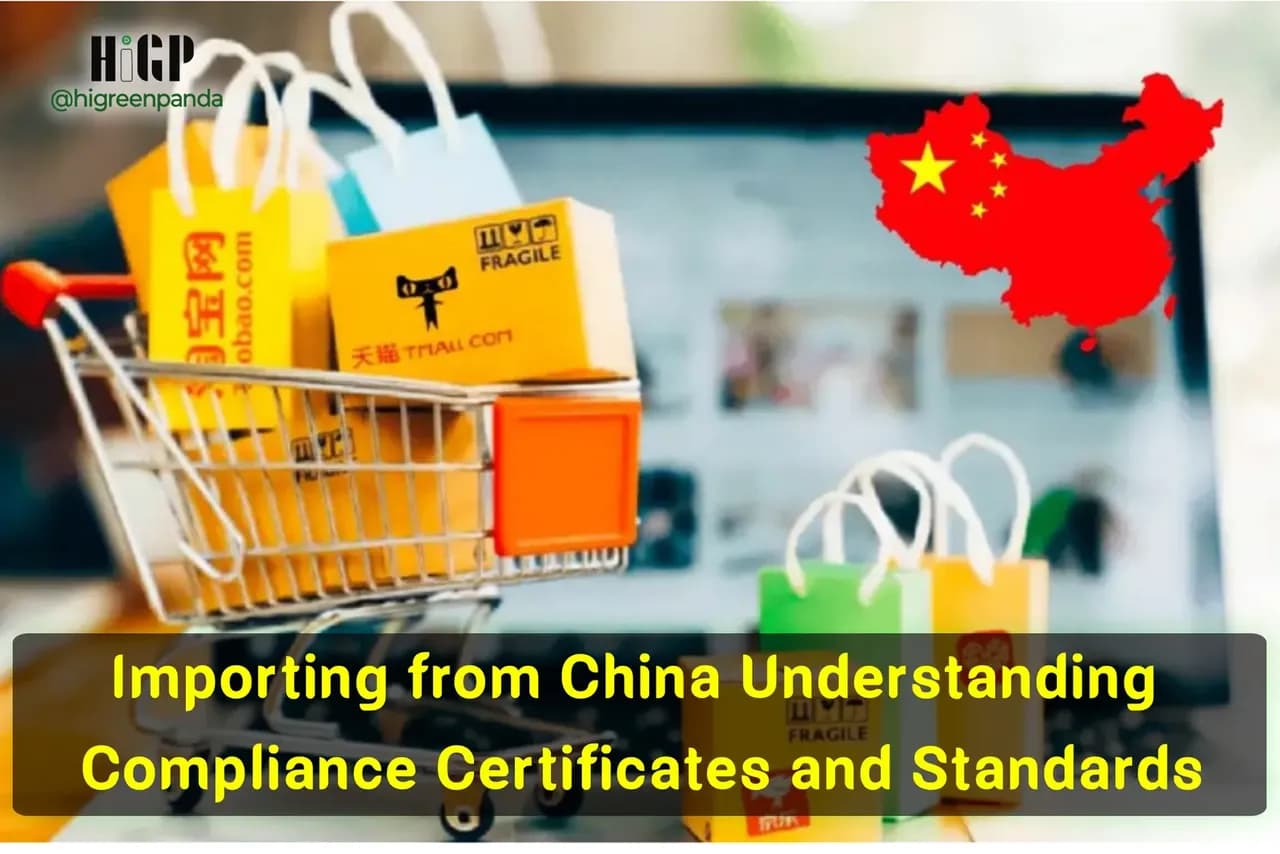
The most expensive problem in importing is not a high price but a container your own customs will not release. Goods without the right certificates or labels are held, re-exported or destroyed, and the cost falls on you, not the supplier. This compliance checklist for importing from China takes you through the four stages in order: finding the rules, proving you meet them, preparing the shipment and protecting yourself after arrival. It ends with a short decision tree by product type, so you know which checks apply to your goods.
Step 1: Find out which rules apply to your product
Assign the HS code
Start with the Harmonised System (HS) code. The first 6 digits are the same worldwide; each country adds more digits for its own tariff, and in the Gulf the national codes run to 8 or more digits. The code sets your duty rate and tells customs which regulations and certificates to ask for. Agree the code with your customs broker before you order, and make sure the supplier uses the same first 6 digits on its export declaration and invoice.
Collect the required standards and certificates
Each destination has its own marks. The ones you will meet most often are:
- CE: the European Union's conformity mark for electrical goods, machinery, toys, medical devices and more
- FCC: the United States mark for electronics that emit radio frequencies
- RoHS: restriction of hazardous substances such as lead and cadmium in electrical and electronic equipment
- REACH: the European Union's rules on chemicals in products, including restricted substances in textiles, plastics and coatings
- SASO and the SABER platform: Saudi Arabia's conformity system, which issues a product certificate and then a shipment certificate for each consignment
- G-Mark: the Gulf conformity mark required for regulated products such as low-voltage electrical equipment and children's toys across the GCC
Other GCC states run their own schemes alongside these; the UAE, for example, has a conformity programme for regulated products under its Ministry of Industry and Advanced Technology. Check with the standards body in each country you sell to.
Check category-specific restrictions
Some categories carry extra rules on top of the general marks: electrical safety for anything that plugs in, chemical limits for plastics, textiles and cosmetics, hygiene rules for anything that touches food, and strict safety and labelling rules for toys. Identify these before you choose a supplier, because not every factory can meet them. Our guide to legal challenges in import and export covers what happens when these rules are missed.
Step 2: Prove your product complies
Test at an accredited laboratory
Tests must come from a laboratory accredited under ILAC, the international body for laboratory accreditation, or, for electrical products, one recognised under the IECEE CB scheme, whose reports are accepted in many countries. A report from an unaccredited lab is often rejected. Testing commonly takes 5 to 15 working days and costs from a few hundred to a few thousand USD, depending on how many standards apply.
Build the technical file
Keep one file per product, in your own hands and not only the supplier's. It should contain:
- Test reports from accredited laboratories
- The user manual in the languages of your market
- Photographs of the product, its labels and its packaging
- The declaration of conformity, signed by the manufacturer or importer
- The bill of materials and a list of critical components
- Certificates such as CE, G-Mark or the SABER product certificate
Check translation, dates and validity
Review every document before you rely on it. Is the translation into your market's language accurate, including Arabic for the Gulf? Does the model number on the report match the product you are buying? Has the certificate expired, and was the test done against the current edition of the standard? Standards are revised, and a report against an old edition can be refused. For social audits and fair trade certificates, see ethical sourcing from China.
Step 3: Prepare the shipment
Most compliance failures show up here, when the goods are ready and the pressure to ship is high. Work through the stage in this order:
- Inspect during production for high-value or new products, so problems are caught while they can still be fixed.
- Book a pre-shipment inspection when at least 80% of the order is finished and packed. Inspectors usually sample to AQL 2.5 for major defects and 4.0 for minor ones.
- Adjust packaging and labels to your market's rules before the cartons are sealed.
- Apply for any shipment certificate your market needs, such as the SABER shipment certificate for Saudi Arabia.
- Prepare customs documents: commercial invoice, packing list, bill of lading or air waybill, and a certificate of origin if you claim a preferential duty rate.
- Confirm insurance before the goods leave the factory.
Our guide on quality inspection before shipment explains what inspectors check and how to read their reports.
Make sure the labels match
- Model and product codes match the test report and certificate
- Safety warnings are present and in the required languages
- Country of origin is shown, usually as Made in China
- Batch or lot number is printed so a problem can be traced
- Importer name and address appear where your market requires them
- Conformity marks are printed only where the product holds the certificate
Insure against the right risks
Your Incoterm decides who insures the cargo in transit. Under FOB you arrange it; under CIF the supplier buys only minimum cover, which is often not enough. Cargo insurance does not cover claims from customers injured by the product, so for electrical goods, children's products and anything worn or eaten, take out product liability insurance as well.
Step 4: Protect yourself after arrival
- Keep records of test reports, certificates, inspection reports and shipping documents for every batch; many regulators expect several years
- Prepare a voluntary recall plan: who you notify, how you reach buyers and how you take back stock
- Monitor complaints and returns, and look for patterns by batch
- For the first batches, buy random samples from the market and test them to confirm the product matches what was approved
These records are your defence if a regulator or customer questions a product later. Our article on risk management when importing from China shows how to fit them into a wider plan.
A quick decision tree by product type
- Electrical product: check electromagnetic compatibility (EMC), low-voltage safety (LVD) and general safety, plus CE marking or the equivalent mark for your market.
- Contact with food or the human body: check the relevant FDA, REACH or SASO rules for materials and chemicals.
- Destined for the Gulf: register on the SABER platform or obtain the G-Mark according to the product category, and make sure the test reports are against the current edition of the standard.
- Toys and children's products: test to EN 71 for Europe or CPSIA for the United States, and meet the labelling and warning requirements.
- Medical or health product: check whether it needs a medical device or cosmetic licence in your market before you order.
- No documents from the supplier: do not ship. Ask for tests, reports and a design review first.
Common compliance mistakes
- Accepting a certificate issued to a different company or model and assuming it covers your product.
- Relying on a supplier's CE mark with no test report behind it.
- Changing a component or colour after testing without checking whether the certificate still applies.
- Applying for the SABER shipment certificate after the goods have sailed.
- Using a different HS code on the invoice from the one your broker declares.
- Leaving the technical file with the supplier, then losing access when the relationship ends.
If you would rather have one team manage certificates, inspection and shipping together, full import management covers the process from supplier to your warehouse, and independent quality inspection can be booked for single orders.
What to do this week
Take your next product and write down its HS code, destination market and the marks it needs. Ask your supplier for the test reports and certificates, and check each one against the points in Step 2. If anything is missing, fix it before you pay the deposit. If this is your first order, read our step-by-step guide to importing from China alongside this checklist.
本文解答的问题
What documents do I need to import from China?
At minimum a commercial invoice, packing list and bill of lading or air waybill, plus a certificate of origin if you claim a preferential rate. Regulated products also need test reports and certificates for your market, such as CE, G-Mark or a SABER certificate.
What is SABER and do I need it?
SABER is Saudi Arabia's online conformity platform. Most products imported into Saudi Arabia need a product certificate and then a shipment certificate for each consignment, issued through SABER. Check your product's category on the platform before you order.
Which products need the G-Mark?
The G-Mark is the Gulf conformity mark for regulated products, including low-voltage electrical equipment and children's toys, sold in GCC countries. Check the current list of covered products with the GCC standardisation authority or your national standards body.
Can I trust a CE certificate from a Chinese supplier?
Only after you check it. Confirm the test report came from an accredited laboratory, that the model number matches your product, and that it was tested to the current edition of the standard. Many CE certificates circulating in China are for other models or companies.
When should I do a pre-shipment inspection?
Book it when at least 80% of the order is finished and packed. Inspectors sample the goods, usually to AQL 2.5 for major defects, and check quantity, workmanship, labels and packaging before you pay the balance.
HiGreen Panda Marketing