Importing from China
Product Quality When Importing from China: How to Ensure It
Good samples do not guarantee a good shipment. Learn how specifications, factory audits, AQL inspections and certification protect product quality when importing from China.
作者:萨米·哈吉里阅读约需 8 分钟
China makes almost everything, and it makes it at every quality level. The same product can come from a well-run factory with its own lab or from a workshop that changes materials when prices rise. For an importer in the Gulf, the problem is simple: you often see the goods for the first time when the container is opened, and by then your money has gone. This guide shows how to control product quality when importing from China, from the specification you write before ordering to the inspection that decides whether you pay the balance.
Why quality varies so much between Chinese suppliers
China is often called the world's factory, but there is no single Chinese standard of quality. A supplier's quality depends on its machines, its raw material sources, its staff training and, most of all, on what the buyer asks for and checks.
- Price pressure: when you push hard on price, the factory saves where you cannot see it: thinner material, fewer stitches, lower-grade components inside.
- Vague specifications: if the order says only "good quality", the factory decides what that means.
- Trading companies: a seller may move your order to another factory without telling you.
- Different markets: the same factory may produce one grade for the EU and a lower grade for buyers who do not inspect.
The strategies below close these gaps. None of them alone is enough; together they make a bad shipment unlikely.
Start with a written specification and a golden sample
Quality control starts before the factory cuts any material. The inspector, the factory and you must all measure the goods against the same document.
- Materials and grades, for example 304 stainless steel, 100% cotton 180 gsm, or ABS plastic.
- Dimensions and weights with tolerances, such as ±2 mm.
- Colours by Pantone reference, not by photo.
- Functions to test: the lamp lights, the zip runs, the motor starts at 220 V.
- Packaging: carton strength, units per carton, drop-test requirement, labels and barcodes.
- Markings and Arabic labelling required in your market.
- Defect definitions: what counts as critical, major and minor.
Once you approve a sample, have both you and the factory sign and keep one each. This "golden sample" becomes the reference for every later inspection. Put the specification and the approved sample in your purchase contract; our guide to contract manufacturing in China explains how to structure that agreement.
Audit the factory before you place a large order
A factory audit tells you whether the supplier can make your product consistently, not only whether it made one good sample. An auditor visits the site, usually for one day, and reports on what it finds.
What a factory audit checks
- Business licence, factory ownership and whether the site you visit is the one that will produce your goods.
- Production capacity, machinery and number of workers.
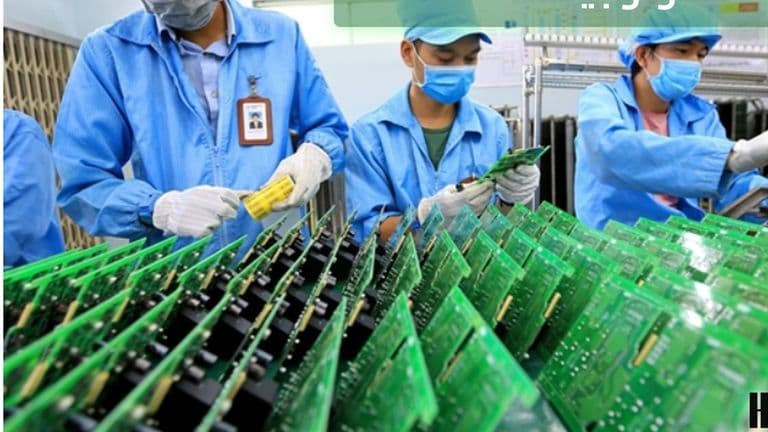
- Quality control procedures: incoming material checks, in-line checks and final inspection.
- Existing certifications such as ISO 9001, and whether they are current.
- Test equipment on site and calibration records.
- Working conditions and safety, which matter if you sell to retailers with ethical sourcing rules.
If you cannot visit, a video audit is better than nothing, but a physical audit by an independent inspector is far harder to stage. Knowing which region specialises in your product also helps; see our list of the top industrial cities in China.
Inspect at each stage of production
Inspections are the core of quality control. The goal is to find problems while they can still be fixed at the factory's cost, not yours.
- Pre-production inspection: before mass production, check raw materials and components against the specification. This catches wrong fabric or a substitute chip before thousands of units are made.
- During production inspection: once roughly 20% to 50% of the order is finished, check the first finished units. Defects found here can be corrected for the rest of the run.
- Pre-shipment inspection: when production is complete and at least 80% is packed, an inspector draws a random sample and checks appearance, measurements, function and packaging. This is the most important check; tie your balance payment to it.
- Container loading check: the inspector counts cartons, confirms they are the inspected goods and watches the container being loaded and sealed.
How random sampling works
Inspectors do not open every unit. They use AQL sampling under ISO 2859-1, which sets a sample size based on order quantity and a maximum number of defects allowed. Many importers use 0 for critical defects, 2.5 for major and 4.0 for minor. For an order of 3,000 units at the standard inspection level, the inspector checks 125 units. If defects exceed the limit, the lot fails and the factory must sort or rework before re-inspection. If the factory refuses, our checklist for commercial disputes when importing from China sets out your next steps.
A pre-shipment inspection usually costs around USD 250 to 350 per person-day, depending on city and product. On a USD 20,000 order that is a small price for avoiding a container of unsellable stock. For more on why this step matters, read the importance of quality inspection before shipment.
What to check for each product category
Different goods fail in different ways. Tell your inspector what matters most for your product.
Heavy products: furniture, garden tools, equipment, homeware
Check structural strength, welds and joints, wood moisture content, surface finish, assembly with the supplied fittings, and whether cartons survive a drop test. Damage in transit is common, so packaging deserves as much attention as the product.
Light products: clothing, shoes, bags, home textiles
Check fabric weight and composition, size measurements against the size chart, colour matching between batches, stitching, zips and buttons, and labels. Ask for colour-fastness and shrinkage tests if you sell to demanding retailers.
Electronics: lighting, appliances, phones, computers
Check that every function works, test at your country's voltage and plug type, and confirm the components match the approved sample. Electrical safety testing at an accredited lab, such as SGS, Intertek, Bureau Veritas or TÜV, is often needed for certification.
Industrial equipment and machinery
Run the machine under load, check dimensions of key parts, review the manual and spare parts list, and confirm safety guards and emergency stops. For high-value machines, attend a factory acceptance test in person or by live video.
Certificates and local regulations in the Gulf
Quality also means legal compliance at home. A product that works well can still be held at port if it lacks the right conformity certificate.
- Saudi Arabia: many products must be registered on the SABER platform with a certificate of conformity to SASO technical regulations before shipping.
- UAE: some product groups fall under the Emirates Conformity Assessment Scheme (ECAS) run by the Ministry of Industry and Advanced Technology.
- GCC: certain low-voltage electrical appliances need the GCC conformity mark (G-Mark).
- Ask the supplier for existing test reports, but check the report number with the issuing lab; forged reports are common.
- Confirm the product and HS code with a local customs broker before ordering, as requirements change.
Our compliance checklist for importing from China lists the documents to gather before goods leave the factory.
Build long-term relationships with good suppliers
Inspections catch problems; relationships prevent them. A supplier that expects repeat orders has a reason to protect its standard. Share your defect reports with the factory, agree corrective actions in writing, and review performance after each shipment. Visit when you can. Suppliers who meet you in person tend to treat your orders with more care, as our article on building guanxi explains. Keep a second approved supplier for key products so you are never dependent on one factory.
Common quality mistakes importers make
- Approving a sample without keeping a signed golden sample.
- Paying the full balance before a pre-shipment inspection report.
- Letting the supplier choose or pay the inspector.
- Accepting a certificate without verifying it with the issuing lab.
- Changing supplier every order to chase a lower price, so quality never stabilises.
- Ignoring packaging, then finding broken goods on arrival.
What to do this week
Write a one-page specification for your next order, with materials, tolerances, colours, packaging and defect definitions. Ask your supplier to confirm it in writing and to sign a golden sample. Set your payment terms so the balance is due only after a passed pre-shipment inspection, and book that inspection now, two weeks before the planned ship date. If you need an independent inspector in China, HiGreenPanda provides quality inspection in Shenzhen, Shanghai and surrounding manufacturing regions.
本文解答的问题
How do I check product quality before shipping from China?
Book an independent pre-shipment inspection when production is finished and at least 80% is packed. The inspector draws a random sample under AQL rules and checks appearance, measurements, function and packaging against your specification and golden sample. Pay the balance only after the report shows the lot has passed.
What is AQL in quality inspection?
AQL stands for acceptance quality limit. It is a sampling method under ISO 2859-1 that sets how many units to check and how many defects are allowed. Many importers use 0 for critical, 2.5 for major and 4.0 for minor defects.
How much does a quality inspection in China cost?
A pre-shipment inspection usually costs around USD 250 to 350 per person-day, depending on the city and the product. Complex products or large orders may need more than one day. Compared with the cost of an unsellable container, it is a small expense.
What is the difference between a factory audit and an inspection?
A factory audit assesses the supplier: its licence, capacity, machinery and quality procedures. An inspection checks a specific batch of your goods. Do an audit before choosing a supplier and inspections on every order.
Which certificates do I need to import from China into Saudi Arabia?
Many products must be registered on the SABER platform with a certificate of conformity to SASO technical regulations before shipping. Requirements depend on the product and its HS code. Confirm with a Saudi customs broker or on the SABER platform before you place the order.
HiGreen Panda Marketing