Importing from China
Ethical Sourcing from China: Fair Trade Checks for Importers
Buyers and regulators now ask who made your goods and how. Learn which ethical risks matter when importing from China, which certificates prove something, and how to vet a factory before you pay.
作者:萨米·哈吉里阅读约需 9 分钟
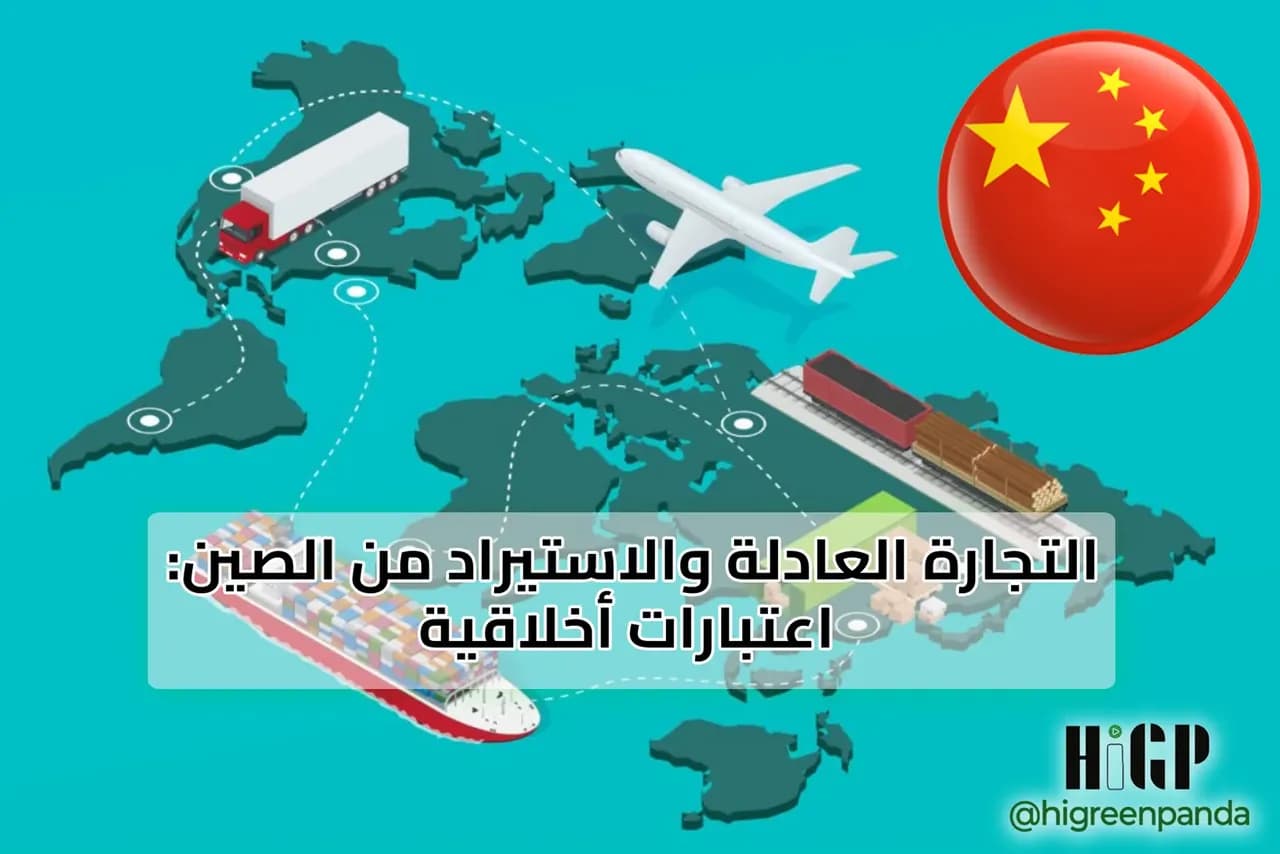
Your customers, and increasingly the retailers and regulators you sell to, want to know who made your goods and under what conditions. For an importer, ethical sourcing from China is no longer a brand story: it decides whether a large buyer lists your product, whether a re-export shipment clears, and whether a counterfeit complaint lands on your desk. By the end of this guide you will know which ethical risks matter, which certificates prove something, and how to check a factory before you pay a deposit.
Why buyers now ask how your goods were made
China is the world's main manufacturing base, and a huge buyer too, as our look at China imports in 2025 shows. Whatever the size of your business, there is a good chance some or all of your range comes from Chinese factories. In recent years consumers and retailers have become more aware of working conditions there. Buyers want to know whether the people who made their goods received fair wages and were treated well, and this often affects the final decision to buy.
For a Gulf importer the pressure comes from three directions. Large regional retail chains and some tenders ask suppliers to sign a code of conduct. If you re-export to Europe or the United States, those markets have their own rules on forced labour and supply-chain traceability. And a knockoff or a product linked to a factory scandal can damage a reputation you took years to build.
How China became the world's factory
According to the manufacturer Shieldworks (shieldworksmfg.com), the label "Made in China" first appeared in the 1940s, after the Second World War led to a manufacturing boycott of Japan. The label existed for decades, but Chinese-made goods became widespread worldwide only relatively recently.
Investopedia lists five main reasons China became and stayed the world's factory. Each one has an ethical side you should understand:
- Labour costs: with a population of about 1.41 billion, China has a very large workforce. More people willing to work allowed manufacturers to offer lower wages. Coastal wages have risen steadily, so the gap is narrower than it was, but pay and hours remain the first thing an ethical audit examines.
- Business ecosystem: Chinese industry has built dense clusters of component suppliers, tooling shops, logistics and skilled labour around large-scale production, which makes it fast and productive.
- Compliance: historically, China has not enforced manufacturing rules as strictly as Western countries. That covers workers' rights, but also intellectual property and environmental protection. Enforcement has tightened, especially on pollution, yet it still varies by province and factory size.
- Taxes and duties: goods made for export do not carry the domestic VAT that goods sold inside China do, because exports are zero-rated and many exporters reclaim input VAT through export rebates. This keeps export prices lower.
- Currency: China manages the value of the yuan (CNY), which has helped keep its goods price-competitive for foreign buyers.
The ethical issues you need to check
Low wages and weak compliance are the clearest ethical concerns. In practice they show up in four areas.
Wages, hours and working conditions
Check that workers earn at least the local minimum wage, which each province and city sets separately, that overtime is paid, and that hours records are honest. Excessive overtime during peak season is the most common finding in social audits. Also look for underage workers, withheld identity documents, blocked fire exits and overcrowded dormitories.
Forced labour and raw material traceability
Some markets now stop goods linked to forced labour at the border. The United States enforces the Uyghur Forced Labor Prevention Act, which presumes that goods with inputs from Xinjiang are made with forced labour unless the importer proves otherwise; cotton, polysilicon and tomato products have been among the focus sectors. The EU has adopted its own ban on products made with forced labour; check the date it applies before you plan European sales. If you sell only in the Gulf these rules may not bind you directly, but if any of your goods move on to Europe or America, ask your supplier where the raw materials come from and keep that paperwork.
Environmental and ecological damage
Weak compliance can lead to aggressive resource extraction and poor environmental practice: untreated wastewater from dyeing and plating, solvent fumes, careless disposal of chemical waste. Ask for the factory's environmental impact assessment approval and pollutant discharge permit, and look at the site yourself. Our article on myths and facts about green trade in China explains which environmental claims hold up.
Counterfeits and intellectual property
Counterfeits and knockoffs take money from the legal owner of a design or brand, and they usually mean an inferior product. They also put you at risk: customs authorities in Gulf states can seize goods that infringe registered trademarks, and online marketplaces can remove your listings or suspend your store. Never order goods carrying a brand you do not own or have written permission to use, and treat "factory surplus" branded stock with suspicion. To protect your own brand and designs, see intellectual property protection in China.
Which certifications show ethical manufacturing
Several international standards let a factory show that it manufactures ethically. A certificate is only as useful as its scope and dates, so read it rather than simply filing it.
SA8000
SA8000 is a social accountability standard open to organisations anywhere in the world. To be certified, a factory must show it treats workers fairly and meets high social standards on wages, working hours, child and forced labour, health and safety, freedom of association and discrimination. Accredited certification bodies carry out the audits.
Industry-specific codes
- Clothing, footwear and sewn products: WRAP (Worldwide Responsible Accredited Production) certifies factories against its production principles.
- Toys: the ICTI Code of Business Practice, now run as the ICTI Ethical Toy Program, audits toy factories.
- Electronics: the electronics industry code of conduct, first published as the EICC code and now the Responsible Business Alliance (RBA) Code of Conduct, covers labour, health and safety, environment and business ethics.
- General merchandise: many buyers also accept amfori BSCI or Sedex SMETA audit reports. These are audits, not certificates, so ask for the full report.
How to check a certificate is genuine
- The company name and address on the certificate match the business licence and the site you visit.
- The certificate is in date; check the validity period printed on it.
- The scope covers your product and this production site, not a sister factory.
- The certificate appears in the issuing body's public database where one exists.
- The supplier will show you the audit report, including the non-conformities found and how they were closed.
How to vet a Chinese factory for ethical practice
Look for suppliers with an open-door attitude: a factory that treats workers properly can answer questions about its practices without hesitating. Work through these steps before you commit money.
- Write down your own minimum standard: what you will not accept (child labour, forced labour, unpaid overtime, fake brands) and what you expect to see, such as a recognised social audit from the last 12 months.
- Ask shortlisted suppliers for their business licence, recent audit reports and any certificates before you negotiate price in detail.
- Check the licence on China's National Enterprise Credit Information Publicity System and confirm the name, address and business scope match the certificates.
- Ask direct questions: number of workers, how they are paid, typical weekly hours in peak season, and whether any work is subcontracted.
- Visit, or have someone visit, at short notice. Walk the production floor, dormitories, fire exits and waste storage, not just the showroom.
- Write your standards into the purchase contract, including a ban on unauthorised subcontracting and your right to audit.
- Inspect before shipment and keep the records, so you can show a buyer or regulator what you checked. A pre-shipment quality inspection is the natural moment to confirm the goods came from the approved site.
Should you use a sourcing agent?
Finding certified, ethical manufacturers takes time, which is why many importers work with a sourcing agent. A good agent already knows which factories hold valid audits, can shorten the search, and can help you arrange a contract with clear terms. Before you hire one, ask how they vet factories, whether they take commission from suppliers, and whether they will share audit findings with you in writing.
HiGreenPanda's product sourcing team in Shenzhen and Shanghai visits shortlisted factories and checks their licences and audit documents before you place an order.
Common mistakes importers make
- Treating a certificate as a guarantee. An audit is a snapshot; conditions can change the month after it.
- Checking the trading company instead of the factory. Many suppliers on B2B platforms are traders who place your order elsewhere.
- Pushing the price so low that the factory can only meet it by cutting pay, hours records or safety.
- Ignoring peak-season subcontracting, when rush orders move to smaller workshops you never approved.
- Buying branded goods without written authorisation from the brand owner.
- Keeping no paper trail. If a buyer or customs officer asks, you need documents, not assurances.
For a wider view of supplier, payment and shipping risks, see our guide to risk management when importing from China.
What to do this week
- List your top 3 suppliers by spend and email each one asking for their business licence, latest social audit report and any SA8000, WRAP, ICTI or RBA certificate.
- Check each licence on the national enterprise credit system and compare it with the certificates you receive.
- Mark any product that could be re-exported to Europe or the United States and ask where its raw materials come from.
- Add a no-subcontracting and right-to-audit clause to your next purchase order.
- Run your paperwork against our compliance checklist for importing from China so nothing is missing before the next shipment.
本文解答的问题
What is ethical sourcing from China?
Ethical sourcing means buying from Chinese factories that pay fair wages, keep reasonable hours, provide safe conditions, protect the environment and respect intellectual property. In practice you prove it with audit reports, valid certificates, site visits and contract clauses you can enforce.
Which certificate shows a Chinese factory treats workers fairly?
SA8000 is the best-known general social accountability certificate. Industry codes include WRAP for clothing, the ICTI Ethical Toy Program for toys and the RBA Code of Conduct for electronics. Many buyers also accept amfori BSCI or Sedex SMETA audit reports.
How can I tell if a factory certificate is fake?
Check that the company name and address match the business licence, that the certificate is in date, and that its scope covers your product and site. Where the issuing body has a public database, look the certificate up there, and ask to see the full audit report.
Do forced labour rules affect importers in the Gulf?
Gulf rules may not bind you directly, but the United States already blocks goods linked to forced labour in Xinjiang and the EU has adopted its own ban. If any of your goods are re-exported to those markets, keep records of where the raw materials came from.
Is it worth using a sourcing agent for ethical suppliers?
It can save time, because a good agent already knows which factories hold valid audits and can visit them for you. Ask how the agent vets factories, whether they take supplier commissions, and whether they will share audit findings in writing.
HiGreen Panda Marketing