Economy and the Belt and Road
Agricultural Trade Between China and the World: A Guide for Importers
China is one of the three main players in world agricultural trade. Here is what that means for a Gulf importer: the challenges that move prices and rules, the opportunities, and how to run a food shipment safely.
作者:萨米·哈吉里阅读约需 8 分钟
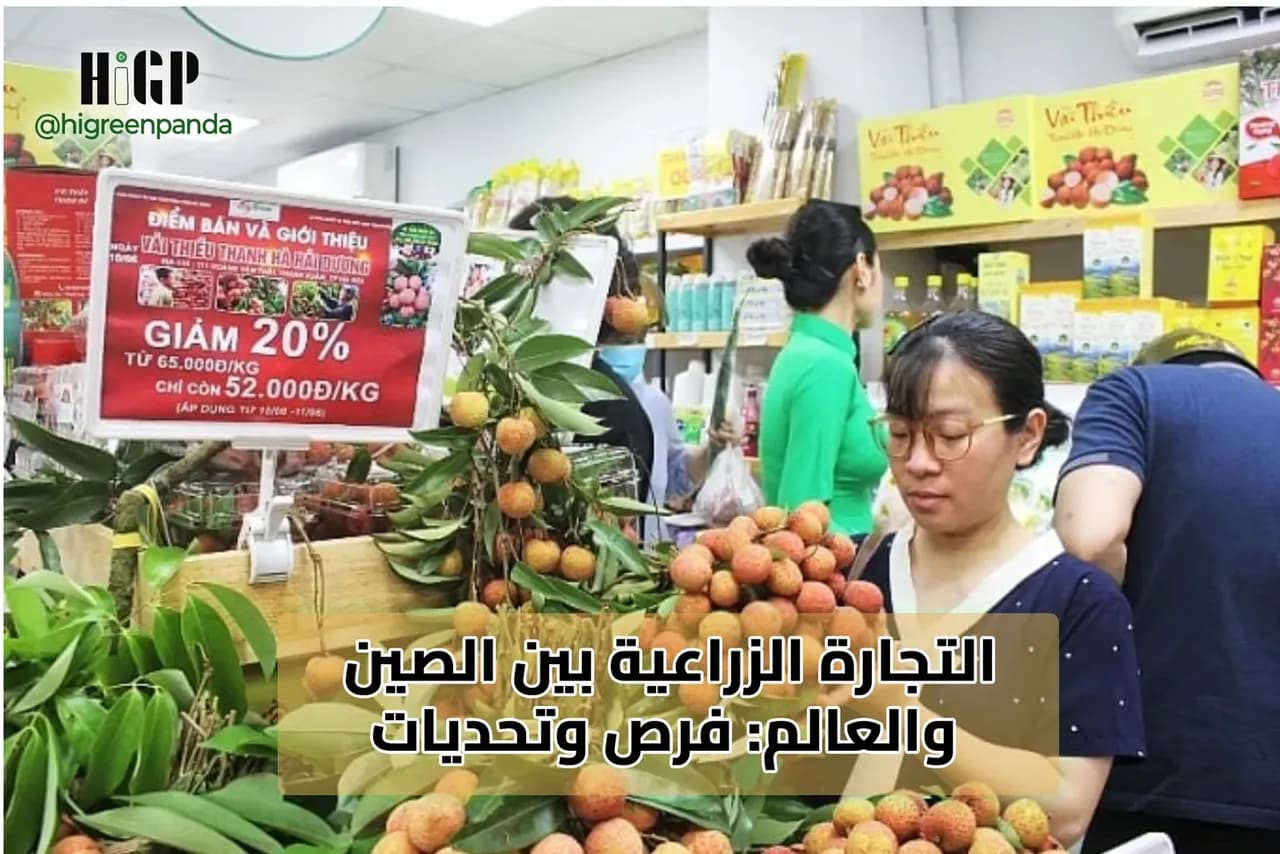
If you import food or farm products, China is hard to ignore: it is both a very large buyer and a major supplier of fruit, vegetables, tea, processed food and farm inputs. But agricultural trade between China and the world is shaped by rules, prices and politics that can change your landed cost overnight. By the end of this guide you will know the main challenges, where the opportunities are for a Gulf buyer, and the practical steps for sourcing or selling agricultural goods with China.
Why agricultural trade matters, and China's place in it
Agricultural trade is a vital part of the global economy. It provides employment, improves living standards and supports food security, which matters directly to Gulf states that import most of their food. China, the European Union and the United States are the main players in this field.
China plays two roles at once. It is one of the world's largest importers of farm commodities, above all soybeans for animal feed, which it buys mainly from Brazil and the United States. It is also a leading exporter of labour-intensive products: garlic, ginger, apples and pears, citrus, tea, frozen and dehydrated vegetables, canned fruit, and processed foods. For a buyer in Riyadh, Dubai or Aden, that second role is where most of the business is.
What Gulf importers typically buy from China
- Fresh garlic, ginger, onions and apples, usually shipped in 40ft reefer containers
- Green and black tea, often in bulk for local packing
- Frozen and dehydrated vegetables for food service and repacking
- Canned fruit, vegetables and sauces with long shelf lives
- Farm inputs and equipment: irrigation parts, greenhouse materials, packaging
The main challenges in agricultural trade
Agriculture is more exposed than most sectors because the goods are perishable, heavily regulated and politically sensitive. Four challenges stand out.
Trade restrictions and regulatory policies
Exporting companies face strict regulations and complex requirements to access international markets, which creates an unstable environment. In practice this means phytosanitary certificates for plant products, health certificates for animal products, residue limits for pesticides, and labelling rules. Gulf markets apply their own requirements, such as Arabic labelling under the GSO standards and food registration with bodies like the Saudi Food and Drug Authority (SFDA). Selling into China is stricter still: overseas food manufacturers must be registered with China's General Administration of Customs (GACC), and fresh fruit generally needs a bilateral protocol before it can enter at all.
Social and economic factors
Farmers in developing countries struggle to obtain capital, inputs and appropriate technology, which limits their ability to take part in global trade. For you as a buyer, this shows up as inconsistent quality and grading between small growers. Working with packers and exporters that aggregate and grade produce, rather than individual farms, reduces that risk.
Price volatility and financial factors
Exchange rates, tariffs and quotas all affect the flow of goods, and agriculture is especially sensitive. A poor harvest can move the price of a crop such as garlic by a large margin within a single season. Freight also matters: reefer container rates can rise sharply when shipping lanes are disrupted, and they often make up a larger share of landed cost for food than for dry goods.
Geopolitical and regional competition
Trade disputes between major powers, such as the US–China trade war, severely affect agricultural markets. When China placed retaliatory tariffs on American soybeans in 2018, buyers shifted to Brazil and prices moved worldwide. Such shifts can open doors for other suppliers and buyers, but they also add uncertainty. Our guide to assessing geopolitical risks and their impact shows how to build that into your planning.
Where the opportunities are
Production expansion
The value of global agricultural trade has grown substantially over the past three decades, giving farmers additional income and investors better returns. For importers, a larger and more diverse supply base means more options on price, grade and season.
Strategic partnerships
Alliances that combine public and private sector strengths promote economic progress and successful foreign trade. Gulf states and China have deepened food and agricultural cooperation through the Belt and Road Initiative and bilateral agreements; see our overview of bilateral trade between China and Arab countries. On the private side, a long-term supply agreement with one packer, with agreed grades and seasonal volumes, is often worth more than chasing the lowest price each season.
Specialised marketing
Serving a specific target market lets producers meet consumer needs that the traditional market leaves unmet. Examples for Gulf buyers include halal-certified processed foods, specific tea grades for local taste, private-label packing in Arabic, and organic lines for premium retail.
Technological developments
Innovations in precision agriculture, advanced irrigation and genetic engineering raise productivity and help meet the needs of a growing world population. China is a large manufacturer of irrigation systems, greenhouse structures and farm equipment, which is directly relevant to Gulf agricultural projects working with scarce water.
How to import agricultural products from China step by step
- Confirm your own country's rules first: product registration, labelling in Arabic, shelf-life requirements, and whether a halal certificate is needed for your product.
- Shortlist exporters that hold the right export licences and can issue the documents you need. Ask for recent export records to your region.
- Agree a written specification: variety, size grade, moisture or sugar content where relevant, packing, carton weight and labelling.
- Order a pre-shipment sample and, for first orders, arrange an independent inspection at loading.
- Book reefer or dry containers as the product requires. Transit from main Chinese ports to Jebel Ali or Jeddah typically takes around 18 to 30 days depending on route and transhipment.
- Collect the full document set before paying the balance, then clear customs at destination with your broker.
On payment, a common structure with a new supplier is a 30% deposit and the 70% balance against a copy of the bill of lading and the certificates. For larger or seasonal contracts, a letter of credit protects both sides but adds bank fees and paperwork, so weigh it against the order value.
HiGreenPanda can arrange quality inspection at the packing house before containers are sealed.
Documents checklist for a food shipment
- Commercial invoice and packing list
- Bill of lading
- Certificate of origin
- Phytosanitary certificate (plant products) or health certificate (animal products), issued by Chinese customs
- Halal certificate where your market requires it
- Laboratory analysis for pesticide residues if your buyer or regulator asks for it
- Temperature log for reefer shipments
Common mistakes in agricultural trade with China
- Buying on price alone. A lower price often means a lower grade or shorter remaining shelf life.
- Vague specifications. "Grade A garlic" means different things to different packers; write size in millimetres and state defects allowed.
- Ignoring the season. Prices and quality change sharply between new-crop and cold-storage stock.
- Missing documents. A shipment without the right phytosanitary or health certificate can be held or rejected at the port, with storage charges building every day.
- Wrong reefer settings. Agree the temperature and ventilation in writing and check the log on arrival.
- Paying 100% upfront to a new supplier. Use a deposit with the balance against documents, or a letter of credit for large orders.
How trade agreements may change the picture
Tariffs on food are among the most negotiated items in any trade deal. China has signed a growing number of free trade agreements, and talks with the Gulf Cooperation Council have been under way for some years. Any agreement could change duty rates on specific products, so check the current tariff with your customs broker before each season. Our article on China and free trade agreements tracks the main developments.
What to do this week
- List the 2 or 3 agricultural products you want to import and check their registration and labelling rules in your country.
- Write a one-page specification for each product.
- Ask 3 exporters for quotations on the same specification, including packing and delivery terms.
- Ask a freight forwarder for current reefer or dry container rates to your port.
- Decide your inspection plan before you pay any deposit.
For the freight side, our shipping and freight team can quote reefer and dry containers from the main Chinese ports to the Gulf.
本文解答的问题
What agricultural products does China export to the Middle East?
Common exports include fresh garlic, ginger, apples and pears, tea, frozen and dehydrated vegetables, canned goods and processed foods. China also supplies irrigation equipment, greenhouse materials and packaging for Gulf farms.
What documents do I need to import food from China?
You normally need a commercial invoice, packing list, bill of lading, certificate of origin and a phytosanitary or health certificate issued by Chinese customs. Depending on your market and product, you may also need a halal certificate, laboratory analysis and product registration with your national food authority.
How long does a reefer container take from China to the Gulf?
Transit from the main Chinese ports to Jebel Ali or Jeddah is typically around 18 to 30 days. The route, transhipment and port congestion move this figure, so confirm with your forwarder when you book.
How did the US-China trade war affect agricultural trade?
Tariffs imposed during the dispute led China to shift soybean purchases from the United States towards Brazil, which moved prices worldwide. It showed how quickly geopolitical decisions can redirect agricultural trade flows and change costs for buyers in other regions.
Can Gulf producers export food to China?
Yes, but the rules are strict. Overseas food manufacturers must be registered with China's General Administration of Customs, and fresh produce generally needs a bilateral protocol before it can enter. Check the GACC lists and your own ministry before you commit to a buyer.
HiGreen Panda Marketing