Economy and the Belt and Road
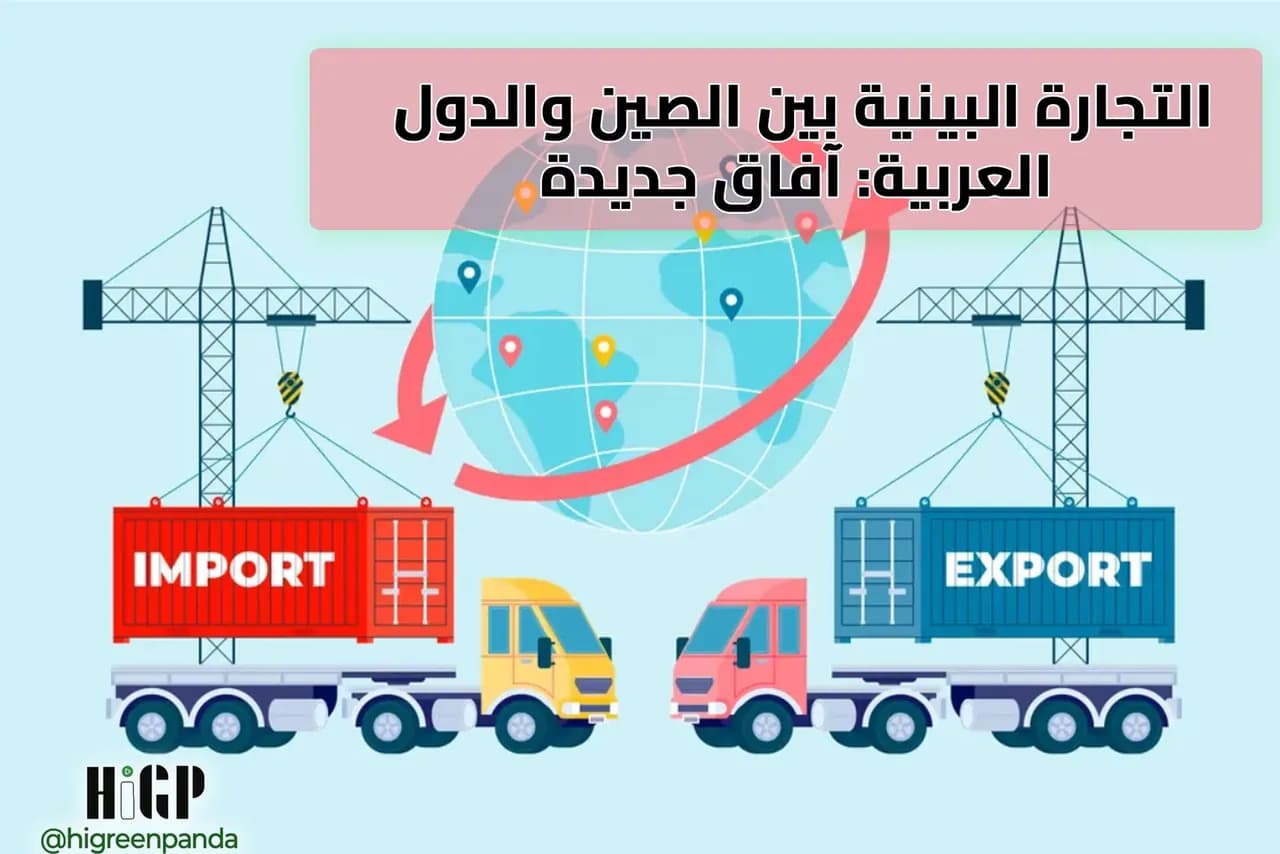
Bilateral Trade Between China and Arab Countries: New Horizons
China-Arab trade passed USD 400 billion in 2024, and Hainan Free Trade Port is opening new routes. Here is what the latest cooperation means for Arab importers and how to act on it.
作者:萨米·哈吉里阅读约需 8 分钟
You read the headlines about record deals and new forums, but you need to know what they change for your own imports, costs and partners. Bilateral trade between China and Arab countries passed USD 400 billion in 2024, and the policy momentum behind it is creating new routes, payment options and meeting points for traders. This guide sets out the latest figures and agreements, explains where Hainan Free Trade Port fits in, and gives you practical steps to use these developments in your business.
What happened at the China-Arab Business Conference in Haikou
The 11th China-Arab Business Conference and 9th Investment Seminar of the China-Arab Cooperation Forum was held in Haikou, Hainan, from 27 to 30 April 2025. It brought together more than 1,000 political and business leaders from China and Arab countries.
The total value of agreements signed reached USD 411 million. Alongside the official signings, the conference ran business matching sessions that paired Arab companies with Chinese suppliers, investors and service providers. For a trader, these matching sessions are often more useful than the headline agreements, because they lead to direct supplier contacts.
If you attend a future edition, prepare as you would for a trade fair: a one-page company profile in English and Chinese, a clear list of the products and volumes you are looking for, target prices, and the documents you would need from a supplier. Ask the organisers for the list of Chinese participants in advance so you can request specific meetings rather than relying on random pairings.
How big is China-Arab trade?
China has long been the largest trading partner of the Arab countries, and bilateral trade exceeded USD 400 billion in 2024. The trade is broadly two-way in structure: Arab states, led by the Gulf producers, export crude oil, liquefied natural gas and petrochemicals to China, while China exports machinery, electronics, vehicles, building materials, textiles and consumer goods to the Arab world.
For an importer, the scale matters in three practical ways. Shipping capacity between Chinese ports and Gulf and Red Sea ports is deep, so you have a choice of carriers and sailings. Chinese banks and exporters are familiar with Arab buyers and documents. And the political will on both sides means new trade facilitation measures keep appearing.
The five areas of cooperation
In May 2024, Chinese President Xi Jinping proposed that China and Arab countries build cooperation in five areas. Each one has a direct business angle.
- Innovation: joint work in digital technology, artificial intelligence and renewable energy, which opens supply opportunities in solar equipment, batteries and smart devices.
- Investment: more two-way investment, including Chinese factories in Arab industrial zones and Arab funds investing in China.
- Finance: wider use of local currencies and stronger links between banks, which can make payments to Chinese suppliers faster.
- Energy: cooperation extending from oil and gas into renewables and hydrogen.
- Economy and trade, and people-to-people exchange: more direct flights, trade fairs, visa facilitation and education links that make it easier to visit suppliers.
These areas build on the Belt and Road Initiative, under which most Arab states have signed cooperation documents with China.
Why Hainan Free Trade Port matters for Arab traders
2025 is the year of full operation for Hainan Free Trade Port. In 2024, goods trade between Hainan and Arab League countries exceeded USD 3.3 billion, with annual growth above 30%. Connectivity is also improving: direct flights now link Haikou and Dubai, and Yangpu Port and Abu Dhabi Port have established a sister port relationship.
What the free trade port offers
Hainan's policies are designed to attract foreign trade and processing. Among the measures that matter most to traders: zero-tariff treatment for many imported goods used in production on the island, a reduced corporate income tax rate of 15% for qualifying companies in encouraged industries, and a rule that goods processed in Hainan with at least 30% added value can enter mainland China free of import duty. The details and eligible lists change, so confirm the current rules with the Hainan authorities or an adviser before you plan around them. Hainan is also China's duty-free shopping hub; see luxury goods trade in China.
Who should look at Hainan
- Arab exporters of food, dates, olive oil or cosmetics who want a processing or distribution base for the Chinese market
- Traders who want a Chinese entity with lower tax on qualifying income
- Companies in the UAE that can use the Haikou–Dubai flights and the Yangpu–Abu Dhabi port link
- Importers who mainly buy from South China and want a regional base close to their suppliers
How to use these new horizons in your business
Policy announcements only help you if you turn them into contacts, orders and lower costs. These steps work for most small and medium traders.
- Identify the 2 or 3 product categories where Chinese supply is growing fastest in your market, such as solar products, electric vehicles and parts, or building materials.
- Plan a visit around a major fair: the Canton Fair in Guangzhou runs in spring and autumn, and the China-Arab States Expo in Yinchuan is dedicated to Arab trade. Ask for business matching sessions in advance.
- Check whether your bank can pay suppliers in Chinese yuan (CNY). Paying in local currencies can reduce conversion costs and avoid some US dollar screening delays.
- Review any tariff preferences that apply to your goods, and track the progress of the China-Gulf Cooperation Council free trade talks.
- If you plan to sell into China, compare setting up in Hainan with setting up in Shenzhen or Shanghai, looking at tax, logistics and where your customers are.
- Build relationships beyond one supplier: use conferences and matching sessions to meet at least 3 potential partners per category.
Payments are a practical point of friction for many Arab importers. Our article on the role of digital currencies in cross-border payments covers the newer options. For the trade agreements side, see China and free trade: new agreements and partnerships. If you are choosing a trade finance provider, our business model canvas for fintech lists the questions to ask.
The wider strategic picture
The relationship has been built up step by step. The China-Arab States Cooperation Forum has met at ministerial level since 2004, and the first China-Arab States Summit was held in Riyadh in December 2022. Each round has added practical measures, from new flight routes to financing lines, which is why the momentum is likely to continue.
China-Arab cooperation carries strategic value beyond trade and investment. At the Haikou conference, a senior Arab representative from the Union of Arab Chambers spoke about the broader geopolitical context, noting that arbitrary tariffs imposed by the United States had disrupted global trade, and affirmed Arab countries' solidarity with China.
For you as a trader, the lesson is to keep an eye on the politics without letting it drive every decision. Tariff disputes between large economies can shift prices and supply routes quickly. Our guide to assessing geopolitical risks shows how to score these risks for your own products.
Common mistakes when trading on the back of new agreements
- Treating headline figures as orders. Agreement values at forums often include memoranda of understanding that take years to turn into trade, or never do.
- Assuming tariff cuts already apply. A free trade agreement under negotiation does not change duties; check the rate that applies on the day your goods clear customs.
- Setting up in a free trade zone without a plan. Tax benefits depend on meeting conditions such as encouraged-industry status and real operations on the island.
- Skipping supplier checks because of goodwill at a forum. Verify business licences, visit the factory and inspect goods as you would with any new supplier.
- Ignoring currency options. Staying in US dollars by habit may cost more in conversion and screening time.
What to do this week
- Pick the two product categories where China-Arab cooperation is most relevant to your business.
- Check the dates of the next Canton Fair and China-Arab States Expo and decide which one to attend.
- Ask your bank whether it can send CNY payments and what it charges.
- Ask your customs broker for the current duty rates on your main imports.
- If a China base interests you, list your requirements and compare Hainan with Shenzhen or Shanghai.
If you decide to set up a company in China, whether in Hainan or elsewhere, HiGreenPanda handles company formation from its offices in Shenzhen and Shanghai.
本文解答的问题
What is the value of trade between China and Arab countries?
Bilateral trade between China and Arab countries exceeded USD 400 billion in 2024. China has long been the largest trading partner of the Arab world, buying oil, gas and petrochemicals and selling machinery, electronics, vehicles and consumer goods.
What are the five areas of China-Arab cooperation?
In May 2024, President Xi Jinping proposed cooperation in innovation, investment, finance, energy, and economy and trade together with people-to-people exchange. Each area creates openings for traders, from renewable energy supply to local-currency payments.
Why is Hainan Free Trade Port important for Arab businesses?
Hainan offers zero tariffs on many imported production goods, a 15% corporate income tax rate for qualifying companies and duty-free entry to the mainland for goods with at least 30% value added on the island. Trade with Arab League countries passed USD 3.3 billion in 2024, and direct Haikou–Dubai flights and a Yangpu–Abu Dhabi port link improve access.
Is there a free trade agreement between China and the GCC?
China and the Gulf Cooperation Council have been negotiating a free trade agreement for some years. Until an agreement is signed and in force, standard duty rates apply, so check the current rate for your goods with your customs broker.
Can I pay Chinese suppliers in yuan from the Gulf?
Many banks in the Gulf can send payments in Chinese yuan (CNY). Paying in yuan can reduce conversion costs and some delays linked to US dollar screening. Ask your bank about fees, limits and the documents it needs.
HiGreen Panda Marketing