Shipping and logistics
How to Choose a Reliable Shipping Agent in China
A good shipping agent in China books your cargo, clears export customs and fixes problems before they cost you. Here is how to define what you need, what to ask, how to compare quotes and which warning signs to walk away from.
作者:萨米·哈吉里阅读约需 8 分钟

Your goods are nearly ready, the supplier wants to know who will collect them, and three forwarders have sent quotes that differ by 40%. Choosing a shipping agent in China is hard from a distance: you may not speak the language, you have no local contacts, and export rules, surcharges and politics all keep shifting. By the end of this guide you will know what a good agent does, the questions that separate a reliable one from a risky one, and how to read a quote so the final invoice matches it.
Why you need a shipping agent in China
A good shipping agent, often called a freight forwarder, is more than an intermediary. They are your eyes, ears and sometimes your lifeline in China. A capable agent will:
- Book cargo space and make sure your goods are loaded on the right vessel or flight.
- Handle the paperwork, export customs clearance and compliance problems.
- Negotiate with carriers and logistics providers to keep your shipment on schedule.
- Step in quickly when something goes wrong, such as a rolled booking, a customs inspection or a factory delay.
- Translate both the language and the working culture of China's shipping world, so instructions to the factory and the port are understood.
The need has grown. Changing export rules, the US-China trade tensions and shifting shipping routes mean rates and schedules move faster than they used to. Our article on global supply chain challenges explains how those pressures reach Gulf importers.
Start by defining what you need
You cannot judge an agent until you know what you are asking them to do. Write down the answers to these questions before you request a single quote.
Shipping mode and volume
Do you ship by sea, air or both? A full 20ft or 40ft container (FCL) needs different handling from a few cubic metres of shared container space (LCL). As a guide, sea freight from Shenzhen or Ningbo to Jebel Ali typically takes 15 to 25 days, while air freight to Dubai or Riyadh takes 3 to 7 days. If you are still choosing a mode, compare them in our guide to air and land shipping from China.
Type of goods
Are your goods fragile, high-value, or regulated? Lithium batteries, chemicals, cosmetics, food and anything classed as dangerous goods need special declarations, packaging and approved carriers. Not every agent can handle them. Ask for evidence of recent shipments of the same category.
Scope of service
Decide where the agent's job starts and ends. Door to door means pickup at the factory, export clearance, freight, import clearance and delivery to your warehouse. Port to port leaves the destination side to you. Your Incoterm with the supplier, usually EXW or FOB, decides which part your agent must cover.
Questions to ask every shipping agent
Send the same questions to every candidate, in writing, so you can compare answers side by side.
- Which product categories and which trade lanes do you specialise in? Ask specifically about China to the Gulf.
- How long have you worked with international clients, and can you give two references who import into my country?
- Which carriers do you book with on my route, and what do you do if my booking is rolled to a later vessel?
- Do you provide tracking or visibility tools, and how often will you update me without being asked?
- What fees could be charged on top of the quoted price, at origin and at destination?
- Who handles customs clearance at each end, and do you have your own agent at my destination port?
- What cargo insurance do you offer, and what does it exclude?
- What are your payment terms, and in which currency will you invoice?
Vague answers to questions 3 and 5 are the clearest warning sign. A reliable agent explains rolled bookings and extra charges before you ask.
Checks to run before you sign
A friendly salesperson is not proof of a real company. Run these checks before you hand over your first shipment.
- Ask for the company's Chinese business licence and check that its business scope includes international freight forwarding.
- If the agent issues its own house bills of lading, ask for its NVOCC registration with China's Ministry of Transport.
- Confirm the company name on the licence matches the name on the quote, the contract and the bank account you will pay.
- Ask whether it is registered with China Customs to file export declarations, or which licensed customs broker it uses.
- Check for membership of a recognised forwarding network or association; useful as a signal, but not a guarantee.
- Speak to at least one reference who ships a similar product to a similar destination.
- Get the full quote, terms and liability limits in writing before any goods are collected.
How to compare quotes without getting caught
The ocean or air freight rate is often only part of the bill. To compare fairly, ask each agent to quote the same shipment, on the same Incoterm, with every charge listed as a line item.
Charges that often appear later
- Origin charges: terminal handling (THC), documentation, customs declaration and trucking from the factory.
- Surcharges: bunker or fuel adjustment and peak season surcharges, which move with the market.
- Destination charges: terminal handling, delivery order fee and import clearance at your port.
- Demurrage and detention if the container stays too long at the port or with you.
- Inspection, storage or re-packing fees if customs selects your cargo.
Size and budget
Match the agent to your scale. Smaller agents usually give more personal attention and will answer a message on a Friday night. Larger agents can offer volume discounts, more carrier options and global coverage, but a small importer may get less attention. Many Gulf importers use a mid-sized agent with its own office in South China and a partner at their destination port.
Remember: if an offer looks too good to be true, it usually is. Some agents attract you with a low freight rate and then raise costs once your cargo is in their hands, through high destination charges or storage fees you cannot avoid. For a wider view of how the costs fit together, see our guide to logistics and shipping from China.
Working well with your agent after you choose
A reliable agent still needs clear information from you. Most delays that importers blame on the forwarder start with a late or incomplete instruction.
- Send the booking request at least 7 to 10 days before the cargo-ready date, and more in peak season before Chinese New Year and in the autumn.
- Give the agent the factory contact, the exact pickup address and the packing list, so they can confirm carton count, weight and volume directly.
- Share the commercial invoice and HS codes early; errors here cause most export clearance holds.
- Ask for the draft bill of lading before the vessel sails and check consignee, notify party and goods description against your import documents.
- Agree one named contact person on each side and a regular update, such as a message when the container is loaded, sails and arrives.
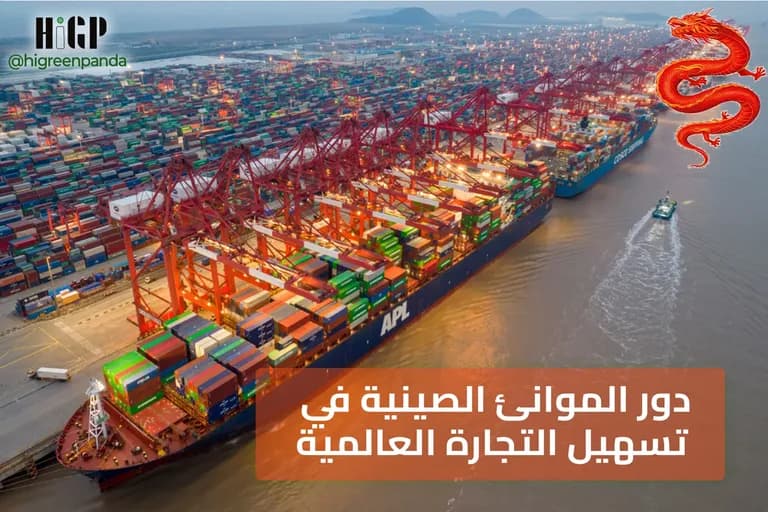
Knowing which port your cargo leaves from also helps. Shenzhen, Guangzhou, Ningbo and Shanghai each have different sailings and congestion patterns; our article on the role of Chinese ports in global trade explains the differences.
Common mistakes importers make with shipping agents
- Choosing on the headline freight rate alone without asking for all origin and destination charges.
- Letting the supplier appoint the forwarder on CIF terms, then facing high, non-negotiable charges at the destination port.
- Paying an individual's personal account instead of the company named on the business licence.
- Shipping batteries or other regulated goods without telling the agent, which leads to rejected bookings or fines.
- Skipping cargo insurance to save a small premium on a high-value shipment.
- Assuming the agent will check product quality; that is a separate job for an inspection before shipment. See why quality inspection before shipment matters.
What to do this week
- Write a one-page brief: product, volume, mode, Incoterm, pickup city and destination port.
- Send it with the questions above to three agents and ask for itemised quotes on the same basis.
- Ask each for its business licence and one reference in your country, and check the company names match.
- Compare total landed cost, not freight rate, and choose the agent whose answers were clearest.
- Start with one smaller shipment before moving your main volume.
If you would rather have one team manage booking, export clearance and delivery, HiGreenPanda's shipping and freight service handles it from our offices in Shenzhen and Shanghai.
本文解答的问题
What does a shipping agent in China do?
A shipping agent or freight forwarder books space with carriers, arranges pickup from the factory, prepares export documents and handles customs clearance. A good one also tracks the shipment, negotiates with carriers and solves problems such as rolled bookings or inspections.
How do I know if a Chinese freight forwarder is legitimate?
Ask for the business licence and check that its scope includes international freight forwarding. Make sure the company name matches the quote, contract and bank account, ask for NVOCC registration if it issues its own bills of lading, and speak to a reference who ships to your country.
What hidden fees should I ask a shipping agent about?
Ask about origin terminal handling, documentation and customs fees, fuel and peak season surcharges, destination handling and delivery order fees, demurrage and detention, and inspection or storage costs. Request every charge as a line item so you can compare quotes fairly.
Should I use my supplier's forwarder or my own?
Using your own forwarder on EXW or FOB terms gives you control over price, routing and destination charges. A supplier's forwarder on CIF terms can look inexpensive but often recovers its margin through high destination charges you cannot negotiate.
Is a small or large freight forwarder better for importers?
Smaller agents usually give more personal attention, while larger ones offer volume discounts, more carriers and wider coverage. For most small and mid-sized Gulf importers, a mid-sized agent with a South China office and a partner at the destination port is a practical balance.
HiGreen Panda Marketing