Shipping and logistics
Role of Chinese Ports in Global Trade: What Importers Should Know
China now has 311 ports of entry and more than 100 customs reforms behind it. Here is how its ports and customs system affect your shipping costs, clearance times and choice of loading port.
作者:萨米·哈吉里阅读约需 9 分钟
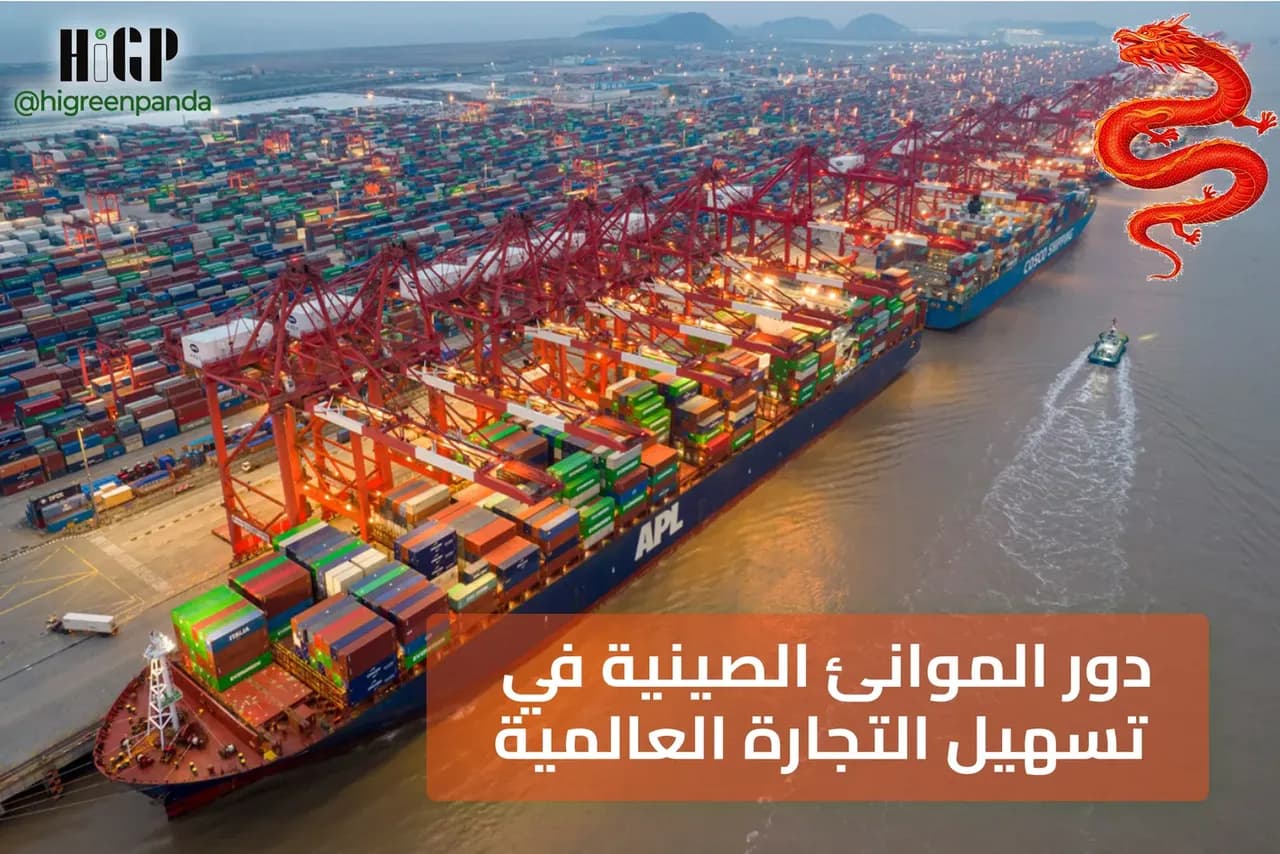
Your goods are ready, but you are not sure whether to ship from Shenzhen or Ningbo, how long export clearance will take, or why a forwarder warned you about branded items. These questions all come back to how China's ports and customs work. This guide explains the role of Chinese ports in global trade, what changed during the 14th Five-Year Plan period (2021 to 2025), and what you should do to move your cargo through them smoothly.
Why Chinese ports matter to your supply chain
China is the world's largest trading nation in goods. In 2024 its total goods trade reached 43.8 trillion yuan, about USD 6.16 trillion, and it kept that position for the eighth year in a row. China ranks among the top three trading partners of 157 countries and regions. Almost everything you buy from a Chinese supplier leaves through one of its ports, so their capacity, rules and delays feed straight into your costs and delivery dates.
Trade with countries taking part in the Belt and Road Initiative reached 22 trillion yuan in 2024, more than 50% of China's total imports and exports. Gulf states and Yemen sit on these routes, which is one reason shipping services between Chinese ports and the Gulf are frequent. Our article on the impact of the Belt and Road Initiative on global supply chains covers the wider picture.
What China changed in trade facilitation from 2021 to 2025
Trade facilitation means making cross-border trade faster, less costly to administer and more predictable. China treats it as part of opening up, improving the business environment and supporting the multilateral trading system. The General Administration of Customs (GAC) has run annual campaigns to improve cross-border trade efficiency and introduced 108 reform measures during the period, aimed at a more convenient, safe and predictable environment for traders.
More ports of entry
Since the start of the 14th Five-Year Plan, China has added or expanded 40 ports of entry, bringing the national total to 311. Ports of entry include seaports, airports, and land and rail crossings, not only the large container terminals. More open ports give exporters more routing options, especially for factories inland.
Wider market access for food and farm products
China has also approved imports of 271 types of agricultural and food products from 81 countries and regions. This matters if you export to China as well as import from it. Gulf dates, seafood or processed foods can only enter once the product and country are on the approved list and the producer is registered with GAC. Check the GAC website or ask your Chinese buyer's broker before you quote.
Digital customs and smart ports
Much of the reform work is digital: electronic declarations through China's single window, paperless documents and automated terminals. For you this usually shows up as faster export clearance when paperwork is correct, and quicker holds when it is not, because systems flag mismatches automatically. Read more in how smart ports in China speed up global shipping.
Customs cooperation and what it means for traders
China has built 85 new customs cooperation mechanisms with Belt and Road countries since 2021, bringing the total to 138. These agreements cover information sharing, mutual recognition of trusted traders and joint work on inspection and quarantine. China has also set up inspection and quarantine platforms with African and Central and Eastern European countries. They help products such as African citrus fruit, coffee beans and wild aquatic products, and honey, wine and cosmetics from Central and Eastern Europe, enter the Chinese market.
Whether your own country has a mutual recognition arrangement with China, and what it covers, is worth checking with your national customs authority. Where such arrangements exist, certified traders on both sides may benefit from fewer inspections and faster clearance.
On the Chinese side, the practical version of this is the Authorised Economic Operator (AEO) programme. Exporters and forwarders certified by Chinese customs as AEO usually face fewer physical inspections and faster release. When you shortlist a supplier or forwarder, ask whether it holds AEO certification and at what level, and ask for the certificate. It is one more sign that the company keeps its paperwork and compliance in order.
Intellectual property checks at Chinese ports
Chinese customs has kept up strong enforcement against intellectual property infringement. Targeted operations during the 14th Five-Year Plan period led to the seizure of nearly 400 million pieces of suspected infringing goods. Customs checks both imports and exports, so goods can be stopped as they leave China.
For an importer this has two practical sides. First, do not order goods that copy a registered brand, logo or design, even if a supplier offers them. They can be seized before loading, and you may lose your payment. Second, if you sell under your own brand, register your trademark in China and consider recording it with customs, so that copies of your goods can be stopped at the border.
Choosing the right port and preparing your shipment
The main container ports for exports to the Gulf include Shanghai, Ningbo-Zhoushan, Shenzhen (Yantian and Shekou), Guangzhou (Nansha), Qingdao, Tianjin and Xiamen. The right choice depends on where your factory is, the sailing schedule to your destination and trucking cost from factory to port. As a rough guide, sea transit from southern China to Jebel Ali often takes around 2 to 3 weeks, with Jeddah and Dammam similar or a little longer. Routes with transhipment, weather, port congestion and the carrier's schedule all move these times, so ask your forwarder for current schedules.
- Confirm the factory's location and the nearest ports with direct sailings to your destination.
- Agree the Incoterm with the supplier, such as FOB Ningbo or CIF Jebel Ali, so it is clear who books the ship and pays port charges in China.
- Book space through your forwarder 1 to 2 weeks before goods are ready, longer in peak season.
- Collect the commercial invoice, packing list and correct HS code for each product, and make sure descriptions, quantities and values match on every document.
- Check that the supplier, or its export agent, has export rights and will file the export declaration.
- Arrange a pre-shipment inspection before the container is loaded and sealed.
- Confirm the cut-off dates for cargo delivery and documents at the port, and track the bill of lading once the vessel sails.
For a step-by-step view of freight options, see our comprehensive guide to logistics and shipping from China. Quality problems found after loading are expensive to fix, so read why quality inspection before shipment should be booked early.
When sea freight is not the answer
Small, urgent or high-value shipments often move by air through Shanghai Pudong, Guangzhou Baiyun or Shenzhen Bao'an airports, and land and rail crossings serve Central Asia and beyond. Air costs far more per kilogram but can cut door-to-door time to a few days. Our guide to air and land shipping from China compares cost and time for each option.
Plan around peak seasons
Ports and factories are busiest in the weeks before Chinese New Year, usually January or February, when many factories close for 2 to 4 weeks and freight rates rise. The National Day holiday in the first week of October also slows production and trucking. On your side, demand before Ramadan and the Eid holidays means Gulf importers compete for the same sailings. Place orders early enough that goods reach the port at least 2 weeks before these peaks.
Documents checklist for export clearance
- Commercial invoice with seller, buyer, Incoterm, unit price and total value.
- Packing list with carton count, net and gross weight and volume.
- HS code for each product, agreed with your forwarder and consistent with import rules at home.
- Certificate of origin if your country or buyer requires one.
- Any product certificates or registrations your market needs, such as Saudi SABER certificates.
- Brand authorisation if the goods carry a trademark you do not own.
Common mistakes at Chinese ports
- Leaving booking until the goods are finished, then missing the vessel in peak season, especially before Chinese New Year.
- Declaring a value or description on the invoice that does not match the packing list or the goods.
- Using the wrong HS code, which can cause holds in China and higher duty or penalties at home.
- Ordering branded or look-alike products and losing them to an IPR seizure.
- Choosing a port only on freight price without adding trucking cost from the factory.
- Forgetting that southern Chinese ports can face typhoon delays in late summer and early autumn.
What to do this week
Take your next order and write down the factory city, the loading port you plan to use and the Incoterm. Ask your forwarder for the next two sailings from that port and one alternative, with transit times to your destination. Check that your invoice, packing list and HS codes match, and remove any product that uses a brand you are not authorised to sell. If you do not yet have a reliable forwarder, our guide on choosing a shipping agent in China explains what to look for, and HiGreenPanda's shipping and freight team can book and track sea, air and land shipments from its offices in Shenzhen and Shanghai.
本文解答的问题
How many ports of entry does China have?
China has 311 ports of entry after adding or expanding 40 since the start of the 14th Five-Year Plan in 2021. They include seaports, airports, and land and rail crossings.
Which Chinese port is best for shipping to the Gulf?
It depends on where your factory is. Shenzhen, Guangzhou and Xiamen suit factories in southern China, while Shanghai and Ningbo suit the Yangtze River Delta and Qingdao and Tianjin suit the north. Compare direct sailings, transit time and trucking cost from the factory.
How long does sea freight take from China to Dubai?
From southern China to Jebel Ali, sea transit often takes around 2 to 3 weeks. Transhipment, weather, congestion and the carrier's schedule all change this, so ask your forwarder for current sailings.
Can Chinese customs seize goods before they leave China?
Yes. Chinese customs checks exports as well as imports, and it seized nearly 400 million pieces of suspected infringing goods during 2021 to 2025. Do not order goods that copy a registered brand or design.
What documents do I need to export goods from a Chinese port?
You need a commercial invoice, a packing list and correct HS codes, with the export declaration filed by a supplier or agent with export rights. You may also need a certificate of origin and product certificates required in your country.
HiGreen Panda Marketing