Shipping and logistics
The Role of Smart Ports in China in Accelerating Global Shipping Operations
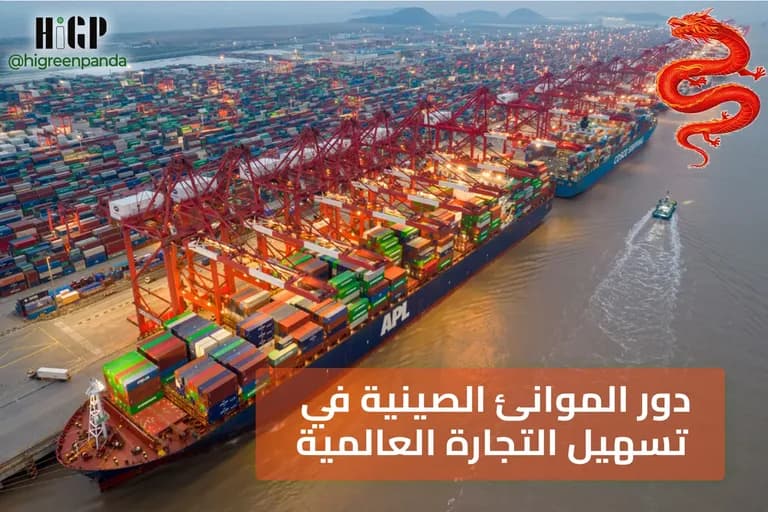
In 2024, Chinese ports achieved a historic milestone by processing 17.6 billion tons of cargo and 330 million twenty-foot equivalent units (TEU) of containers. These figures solidified China's position as the world's leading port nation, ranking first globally in both total…
By Sami Al-Hajri2 min read
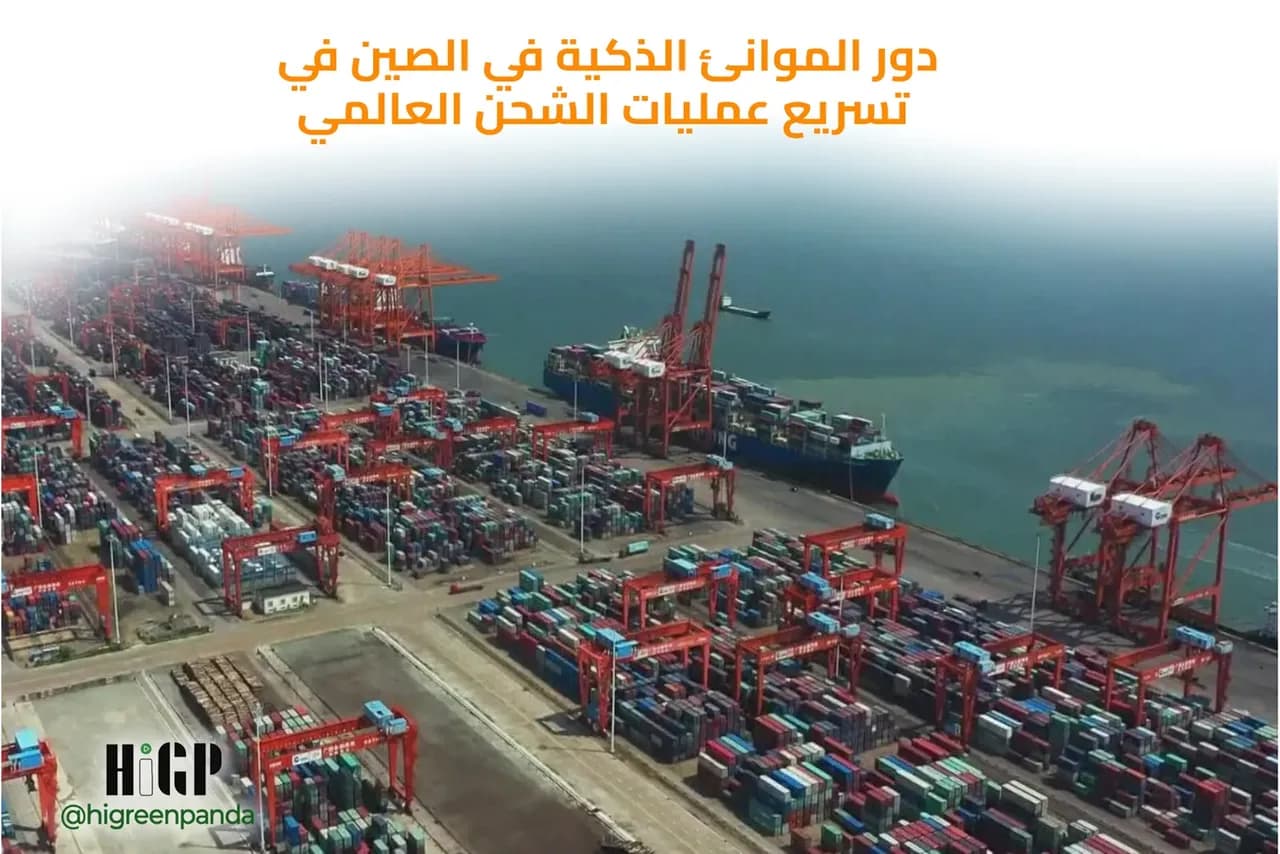
In 2024, Chinese ports achieved a historic milestone by processing 17.6 billion tons of cargo and 330 million twenty-foot equivalent units (TEU) of containers. These figures solidified China's position as the world's leading port nation, ranking first globally in both total cargo handling and container operations.
Transition to Advanced Automation
China now hosts the world's largest concentration of fully automated and unmanned container terminals. Ningbo-Zhoushan Port, one of the world's busiest ports, serves as a prime example of digitalization advancement. Its systems have evolved beyond basic networks to achieve full integration, combining environmental sensing technologies, advanced network systems, and 3D modeling to create a highly automated operational environment.
From container cranes to terminal vehicle dispatch, automation handles most of the heavy lifting. However, not every process is fully automated, as some tasks require human supervision or collaboration with machines, ensuring operational flexibility, rapid response to unexpected situations, and enhanced efficiency.
Building Connected Transportation Networks
The success of Chinese ports is also linked to their integration within the broader national transportation framework. Multi-modal transportation systems have been established, including:
- Water-to-water: Connecting inland waterways with maritime shipping
- Water-to-rail: Integrating river or coastal transport with rail freight
- Water-to-road: Combining shipping with road logistics
Digital scheduling and dispatch platforms enable seamless transitions between transportation modes, significantly improving turnover rates for massive cargo volumes.
Green Ports for a Sustainable Future
The rapid expansion of Chinese ports has not come at the expense of the environment. Green port initiatives are at the heart of infrastructure planning, focusing on:
- Adopting clean energy for port operations
- Upgrading pollution prevention technologies
- Circular economy practices to reduce waste
These measures aim to reduce carbon emissions and protect coastal ecosystems while maintaining operational growth.
HiGreen Panda Marketing