Importing from China
Qianhai and Shenzhen: China's Silicon Valley and the Greater Bay Area
Qianhai and Shenzhen sit at the heart of the Greater Bay Area, where DJI, BYD, Tencent and Huawei were built. Learn what each GBA city makes and how to plan a sourcing trip there.
作者:萨米·哈吉里阅读约需 9 分钟

Most Arab traders know Guangzhou from the Canton Fair, held there since 1957. Fewer know how the cities around it fit together, or where to go for electronics, furniture, lighting or ceramics. This guide explains Qianhai and Shenzhen, the heart of China's Greater Bay Area, what each of the region's nine mainland cities is known for, and how to turn that knowledge into a productive sourcing trip. By the end you will know which city to visit for your product and what to check before you sign with a supplier there.
What is the Greater Bay Area and why does it matter to importers?
The Greater Bay Area (GBA) links 11 cities in southern China: nine in Guangdong Province plus Hong Kong and Macao. China launched the GBA strategy in 2017, with Hong Kong as a window and catalyst for its nine mainland sister cities. It is now a major engine of China's economic modernisation, and Hong Kong hosts an annual high-level conference on its development that draws more than a thousand policymakers, investors and entrepreneurs. The event reflects how China plans by geography: each region is expected to build distinct strengths in manufacturing, exports and innovation.
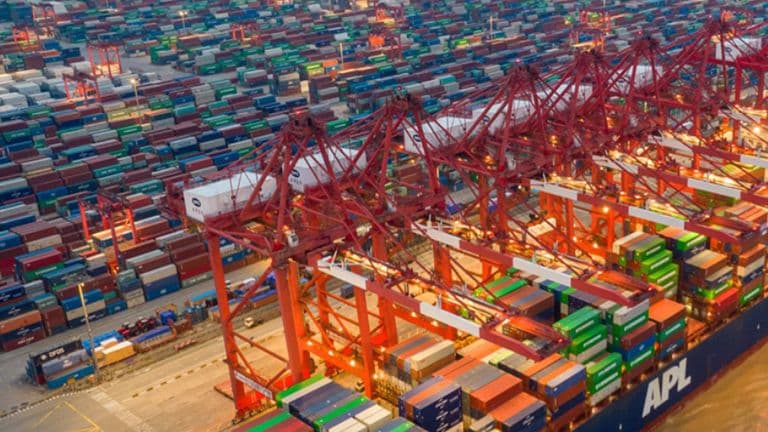
The numbers explain why it matters to you. The GBA covers about 56,000 km² and has more than 86 million people. Its combined GDP was about USD 2 trillion in 2023, close to one-ninth of China's national output and roughly double its 2013 level. Its ports, including Shenzhen, Guangzhou and Hong Kong, handle more than 80 million TEU (twenty-foot equivalent units) a year, which means frequent direct sailings to Jebel Ali, Dammam, Jeddah and other Gulf ports. China's plan is for the GBA to rival the Tokyo, San Francisco and New York bay areas by 2035.
The region is also closely tied to the Belt and Road Initiative, launched in 2013. BRI partnerships bring more investment and trade into the GBA, and the GBA's ports and manufacturers carry much of China's trade along BRI routes. Our article on the Belt and Road Initiative and global supply chains explains what that means for importers.
What each of the nine mainland cities is known for
Each city has its own industrial strengths. Knowing them saves you days of travelling to the wrong place.
Electronics and technology: Shenzhen and Dongguan
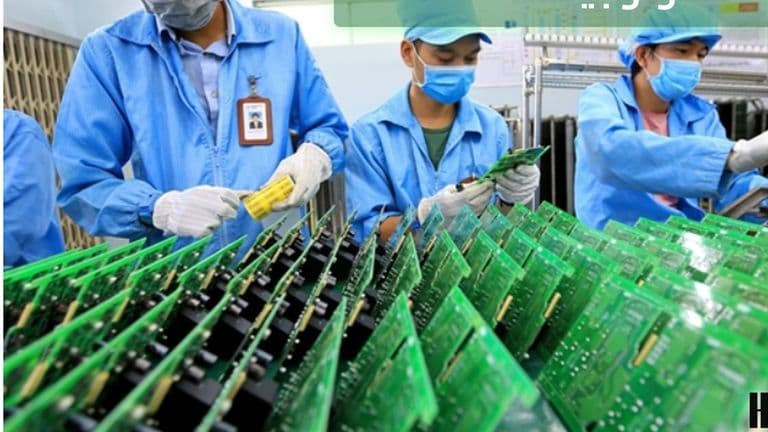
Shenzhen is China's Silicon Valley and the birthplace of some of its best-known technology firms. It is the place for consumer electronics, components, drones, batteries and smart devices, and its Huaqiangbei electronics market is useful for seeing thousands of products and components in one district. Dongguan, next door, is a global industrial hub producing tens of thousands of product types across dozens of sectors. Thousands of electronics and component manufacturers there work closely with Shenzhen and Hong Kong, so a Shenzhen brand often has its factory in Dongguan. If you are looking at vehicles, read our guide to importing cars from China.
Home goods: Foshan and Zhongshan
Foshan is famous for furniture, ceramics and home appliances, and is also known for martial arts and traditional Chinese medicine. It is a common stop for Gulf buyers furnishing villas, hotels and shops. Zhongshan is a transport hub and industrial base with shipbuilding, textiles, lighting, pharmaceuticals and heavy industry; its lighting cluster is one of the largest in China.
Commerce, industry and ports: Guangzhou, Huizhou and Zhuhai
Guangzhou is the provincial capital and China's commercial hub, with about 80 universities, around one million students and, by the city's count, more than 100,000 technology-focused enterprises. It hosts the Canton Fair and wholesale markets for almost every consumer product. Huizhou is a port city with strengths in petrochemicals and IT manufacturing; ExxonMobil's chemical complex there is an investment of about USD 10 billion. The city also has clean air, forests and farming. Zhuhai hosts China's international airshow and defence exhibitions and is linked to Hong Kong and Macao by the 55 km Hong Kong–Zhuhai–Macao Bridge, the world's longest sea crossing, which handled about 27 million crossings in 2024.
Heritage and people: Zhaoqing and Jiangmen
Zhaoqing is known for its cultural heritage, history and tourism. Jiangmen is known as a hometown of overseas Chinese and attracts returning migrants and their investment.
For a wider comparison of manufacturing centres across the country, see our guide to the top 10 industrial cities in China.
Why Shenzhen is called China's Silicon Valley
Shenzhen has become a global innovation hub. Its best-known companies show the range of what the city produces:
- DJI: the world's largest drone maker, which pioneered consumer aerial imaging and is expanding into smart aviation systems. Some industry forecasts put the wider drone economy at around USD 136 billion in the coming years.
- BYD: founded in Shenzhen in 1995, now the world's largest maker of new energy vehicles by volume, ahead of Tesla, with production bases across China and plants opened or under way in countries including Thailand, Uzbekistan, Brazil and Hungary.
- Tencent: a technology group serving more than a billion users through apps for social media, digital payments, entertainment and gaming, and one of the largest gaming companies in the world.
- Huawei: founded in 1987, with about 207,000 employees in more than 170 countries and regions, serving around 3 billion people with telecommunications and ICT products.
- Insta360: a fast-growing maker of action and panoramic cameras that holds more than half of the global market for consumer 360-degree cameras.
For you as an importer, this ecosystem means short supply chains. A Shenzhen factory can usually source components, moulds, packaging and testing within an hour's drive, which shortens sampling and lets you adjust designs quickly. It also means strong competition among suppliers, so compare at least three quotations.
Qianhai: what the zone offers foreign businesses
Qianhai is a special district within Shenzhen, officially the Qianhai Shenzhen–Hong Kong Modern Service Industry Cooperation Zone. It promotes the integration of finance, trade and logistics with Hong Kong, and it works to align legal, commercial and intellectual property rules between Hong Kong and the mainland. Tax incentives and business-friendly policies have attracted thousands of Hong Kong entrepreneurs, particularly young founders.
Qualifying companies in encouraged industries can apply a reduced corporate income tax rate of 15%, instead of the standard 25%. The list of eligible activities is specific, so check whether your business scope qualifies with the Qianhai authority before you register. Qianhai suits trading, logistics, supply chain and service companies that want to work across Hong Kong and the mainland. If you are deciding where to register, our guide to establishing an import and export company in China compares the options.
How to plan a sourcing trip to the Greater Bay Area
- Match your product to the city: electronics to Shenzhen and Dongguan, furniture and ceramics to Foshan, lighting to Zhongshan, general goods and trade fairs to Guangzhou.
- Check the visa rules for your nationality. Several Gulf nationalities can now enter China visa-free for short visits, but the rules and permitted length of stay change, so confirm with the Chinese embassy before booking.
- Shortlist 5 to 10 suppliers online and verify each business licence on China's National Enterprise Credit Information Publicity System.
- Time your trip around the Canton Fair in spring or autumn if you want to see many suppliers at once, then visit factories in the surrounding cities afterwards.
- Plan 1 to 2 factory visits a day. Distances look short on a map, but traffic between cities can take 1 to 2 hours each way.
- Bring your specifications, target prices, required certifications (for example SASO or G-Mark for the Gulf) and packaging requirements in writing.
- Leave with approved samples, written quotations with validity dates, and a clear next step for each supplier.
Checklist before you commit to a GBA supplier
- Business licence verified, and the licence scope covers manufacturing if it claims to be a factory
- Factory address matches what you saw during the visit
- Export experience to your country, with references you can contact
- Certifications your market requires, checked against the issuing body's records
- Sample approved and signed, with one copy kept by you
- Payment terms that keep part of the balance until after inspection
- Named port of loading (for example Yantian, Shekou or Nansha) and Incoterm in the contract
- Independent pre-shipment inspection booked before the balance is paid
Our guide to quality inspection before shipment explains what an inspector checks and when to book one.
Plan the shipping before you order. Sea freight from Shenzhen or Guangzhou to Jebel Ali typically takes around 2 to 3 weeks port to port, and to Jeddah or Dammam somewhat longer depending on routing and transhipment. If each supplier's volume is below a full 20ft container, consolidating goods from several GBA suppliers at one Shenzhen or Guangzhou warehouse is common and can lower freight cost per unit.
Common mistakes when sourcing in the GBA
- Visiting only showrooms in Guangzhou or Shenzhen and never seeing the factory in Dongguan or Foshan
- Assuming a Shenzhen address means the company manufactures, when many are trading companies
- Trying to see too many cities in one trip and rushing every meeting
- Registering a company in Qianhai for the tax rate without checking that your activity qualifies
- Choosing the lowest quotation without comparing specifications, materials and packaging
- Forgetting to check Gulf certification requirements until the goods reach port
What to do this week
Decide which product you want to source and which GBA city specialises in it. Build a shortlist of five suppliers there and verify their licences, and avoid the common mistakes when importing from China. Check the dates of the next Canton Fair and your visa position, and draft a trip plan with no more than two factory visits a day. HiGreenPanda, based in Shenzhen, can accompany you on the ground through our trade fair support service.
本文解答的问题
Why is Shenzhen called China's Silicon Valley?
Shenzhen is the birthplace of major technology companies such as Huawei, Tencent, DJI, BYD and Insta360. It has dense supply chains for electronics, components, drones and batteries. That makes it a leading place for technology manufacturing and innovation.
What is Qianhai in Shenzhen?
Qianhai is a special district in Shenzhen, officially the Qianhai Shenzhen–Hong Kong Modern Service Industry Cooperation Zone. It promotes finance, trade and logistics integration with Hong Kong. Qualifying companies in encouraged industries can apply a 15% corporate income tax rate.
Which cities are in the Greater Bay Area?
The GBA includes Hong Kong, Macao and nine Guangdong cities: Guangzhou, Shenzhen, Dongguan, Foshan, Zhongshan, Zhuhai, Huizhou, Jiangmen and Zhaoqing. Together they cover about 56,000 km² and have more than 86 million people.
Where should I go in China to buy electronics?
Shenzhen and neighbouring Dongguan are the main centres. Shenzhen's Huaqiangbei market is useful for seeing products and components, while many factories are in Dongguan. Verify each supplier's licence and inspect goods before shipment.
Where are furniture and ceramics made in China?
Foshan in Guangdong is one of China's main centres for furniture, ceramics and home appliances. Many Gulf buyers combine a Foshan visit with the Canton Fair in nearby Guangzhou. Visit the factory rather than only the showroom before ordering.
HiGreen Panda Marketing