Importing from China
Quality Inspection in China Before Shipment: Why It Matters
Once goods leave China, fixing a defect costs many times more. Here is when to inspect, which inspection to book, what it costs and how to act on the report before you pay the balance.
作者:萨米·哈吉里阅读约需 9 分钟
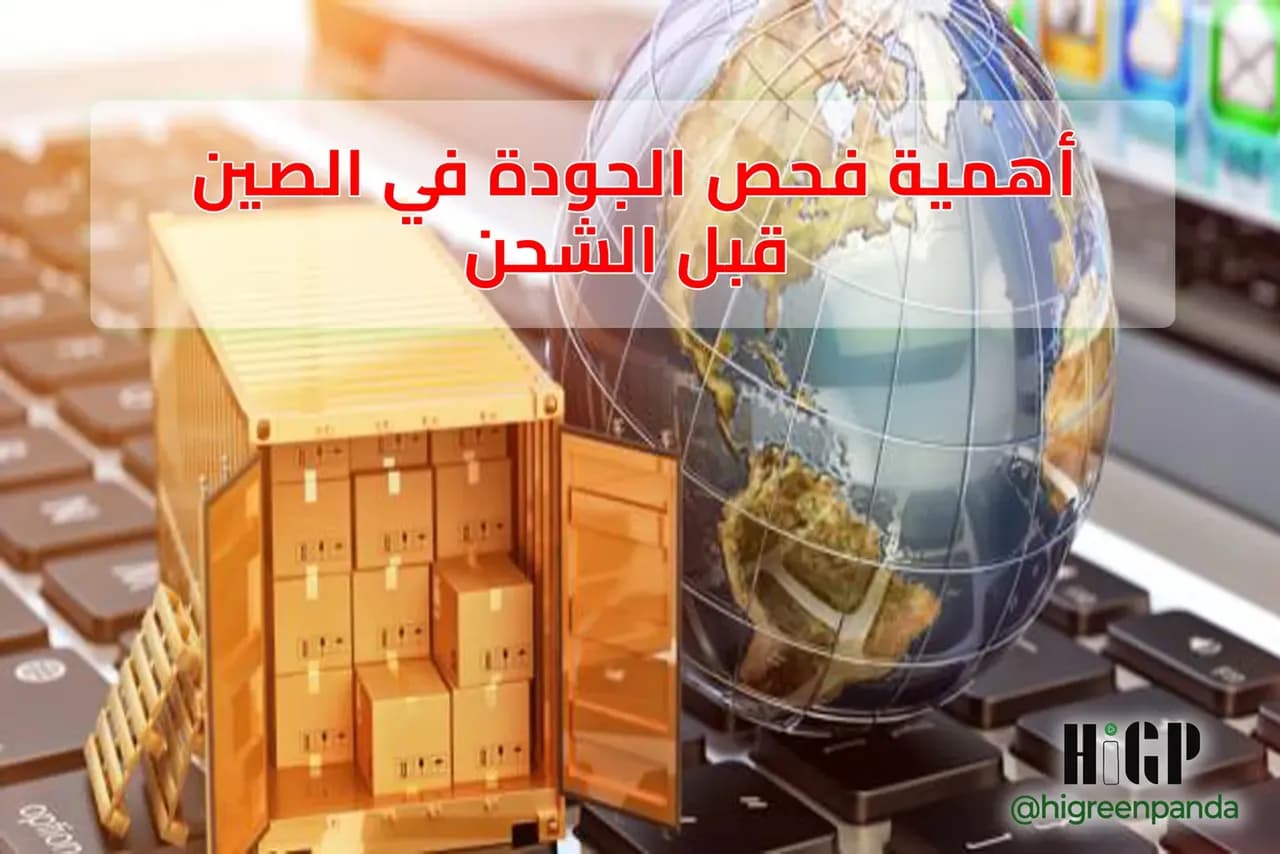
You paid the deposit, the supplier says the goods are ready, and the balance is due before shipment. If you pay now and the cartons arrive in Jeddah or Jebel Ali full of defects, your leverage has gone and the cost of fixing the problem has multiplied. Quality inspection in China before shipment is the step that protects you. By the end of this guide you will know which inspection to book and when, what it costs, what the inspector checks and how to act on the report.
Why quality inspection is necessary
Neglecting inspection can lead to large financial losses, damage to your brand and even legal problems. There are five main reasons to inspect.
- Avoiding defects and losses. Inspection finds defects before the goods ship, saving you the cost of re-shipping, repair or disposal. Returning goods to China is rarely practical once freight and duty have been paid.
- Protecting your reputation. Poor quality hurts your standing with customers and retail partners. Inspection helps make sure what reaches them meets their expectations.
- Complying with standards and regulations. Technical rules differ between countries. Inspection checks that the goods meet your market's requirements and avoids problems at customs.
- Controlling cost. An inspection costs far less than handling defective goods after arrival. Over time it lowers your total cost of importing.
- Building trust with suppliers. A supplier who knows every order will be inspected keeps its standards higher. Over time this supports trust and long-term cooperation.
Inspection matters most when you pay a balance before shipment, which is the usual arrangement. The inspection report is your evidence for releasing, or holding, that payment. It is also key evidence in commercial disputes when importing from China.
The five common types of quality inspection
Inspections can be done at different stages of production. Most importers use one or two per order, and add more for new suppliers or high-value goods.
Pre-production inspection (PPI)
Carried out before production starts. The inspector checks raw materials and components, and confirms that the factory can meet your quality requirements. Use it for a new supplier, a new product, or when materials such as fabric, leather or electronic components decide the final quality.
During production inspection (DPI)
Carried out when part of the order is finished, usually 20% to 50%. It catches problems early, while the factory can still correct the rest of the run. Use it for large orders, long production times or products with a history of defects.
Pre-shipment inspection (PSI)
The most common and most important inspection. It is done when production is 100% complete and at least 80% of the goods are packed. The inspector checks that the finished products match your specifications, quantity, packaging and labelling. If you book only one inspection, book this one.
Container loading check (CLC)
Carried out while the goods are loaded into the container. The inspector confirms that the right products are loaded, that they are loaded safely, and that the quantity matches the invoice. It protects you against short shipment or swapped cartons, and it is useful for mixed loads from several suppliers. A mismatch between cartons and paperwork can also hold up China customs clearance.
Factory audit
An assessment of the factory rather than of a single order. The auditor reviews production capacity, quality management systems, working conditions and compliance with social and environmental standards. Use it before placing your first significant order with a new supplier.
Which inspections to book for your order
Match the inspections to the risk. For a repeat order from a supplier with a good record, a PSI alone is usually enough. For a first order with a new supplier, add a factory audit before you pay the deposit and a PSI before the balance. For a large order, a long production run or a product with tight tolerances, add a DPI so problems are caught while there is still time to fix them. For mixed containers or goods from several factories, add a CLC. The extra cost is a few man-days; the saving is a shipment you do not have to write off.
Who should carry out the inspection?
Importers have three options.
- Sending your own team. Large companies sometimes send their own staff. It gives full control but is expensive and slow, especially if you buy from factories in several provinces.
- Relying on the supplier. Some importers accept the supplier's own quality report. This carries a clear conflict of interest: the factory is judging its own work, and it wants your balance payment.
- Using an independent inspection company. This is the most common and safest method. China has many specialised third-party inspection firms with inspectors in the main manufacturing cities.
Whichever you choose, the inspector must work for you, not for the factory. Pay the inspection company yourself, and do not let the supplier choose the inspector or the sample. Tell the supplier the inspection date, but ask the inspector to pick cartons at random from the whole lot on the day.
What a pre-shipment inspection checks
Inspectors do not check every piece. They pick a random sample using AQL (acceptance quality limit) tables from the international sampling standard ISO 2859-1. The sample size depends on the order quantity. You set how many defects you accept in three classes: critical (unsafe or illegal), major (the product fails or will be returned) and minor (small cosmetic faults). A common choice is 0 critical, 2.5 major and 4.0 minor, but tighten these for premium goods.
A typical PSI covers:
- Quantity produced and packed against your order.
- Workmanship and visual defects on the sample.
- Measurements, weight and colour against the approved sample.
- Function and safety tests, for example electrical, zip or load tests.
- Packaging, carton strength and a carton drop test.
- Labels, barcodes, markings and instruction leaflets, including any Arabic labelling your market requires.
- Shipping marks and carton counts that match your documents.
Check your own market's rules separately. Gulf countries have conformity schemes for many product groups, such as Saudi Arabia's SABER platform and the GCC G-Mark for toys and some electrical goods. An inspector can check that markings are present, but the certificates must come from the supplier and a recognised lab. Our compliance checklist for importing from China lists what to confirm.
How to book an inspection, step by step
- Write your quality standard. Record specifications, materials, colours, dimensions and tolerances, packaging and labelling requirements. Attach photos of the approved sample.
- Agree inspection in the contract. State that goods will be inspected before shipment, the AQL levels, and what happens if they fail: rework, replacement or a price reduction.
- Book with the right lead time. Book about 3 to 5 working days before the inspection date. Confirm the date with the factory, based on when goods will be 100% complete and at least 80% packed.
- Brief the inspector. Send your checklist, the approved sample photos and any special tests.
- Read the report. Reports usually arrive within 24 to 48 hours with photos, measurements and a pass, fail or pending result. A pending result means a decision is needed from you, often on a defect your specification did not cover.
- Decide. If the goods pass, release the balance. If they fail, ask the factory to rework or replace, then book a re-inspection before shipment.
- Keep the record. File the report with the order. Over several orders it shows you which suppliers are improving and which are not.
What it costs
Independent inspections are usually priced per man-day. In most Chinese manufacturing cities expect roughly USD 250 to 400 per man-day, including travel to the factory. Remote locations, large sample sizes, laboratory tests and weekend work cost more. A single PSI on a typical consumer product order often takes 1 man-day. Compare that with the cost of one container of unsaleable goods, and it is one of the smallest lines on your landed cost. Our guide to reducing import costs shows where it fits. Your Incoterm decides which other costs are yours; see Incoterms for importing from China.
Common mistakes that let defects through
- Paying the balance before the inspection report arrives.
- Letting the supplier pick the inspector or prepare the sample cartons.
- Having no written specification, so the inspector has nothing precise to check against.
- Booking the PSI when goods are only half finished, so the inspector cannot sample the full lot.
- Accepting a failed result because the vessel is booked, instead of pushing the shipment back a few days.
- Skipping the factory audit for a new supplier and discovering capacity problems mid-order.
- Forgetting market-specific checks such as Arabic labels, plug types or voltage.
Inspection works best alongside a good supplier relationship. A factory that trusts you is more willing to rework goods quickly; see our guide to building guanxi with Chinese suppliers. For a wider view of the risks inspection does not cover, read how to ensure product quality when importing from China.
What to do this week
- List every open order and the date each will be 100% complete.
- Write or update the quality specification for your top 3 products, with photos of approved samples.
- Add an inspection clause and AQL levels to your next purchase contract.
- Get quotes from two independent inspection providers for your next PSI.
- Tell your suppliers that every order will be inspected before the balance is paid.
If you prefer one partner to set your standards, arrange inspections and follow up with the factory, HiGreenPanda's quality inspection team works from Shenzhen and Shanghai.
本文解答的问题
What is a pre-shipment inspection in China?
It is a check of finished goods carried out when production is 100% complete and at least 80% is packed. An inspector samples the goods and checks specifications, quantity, packaging and labelling against your order before you pay the balance and the goods ship.
How much does quality inspection in China cost?
Independent inspections are usually priced per man-day, roughly USD 250 to 400 in most Chinese manufacturing cities including travel. Remote locations, larger samples, lab tests and weekend work increase the price. Get quotes from at least two providers.
What is the difference between PPI, DPI and PSI?
A pre-production inspection checks materials and factory readiness before production. A during production inspection is done when 20% to 50% of the order is finished to catch problems early. A pre-shipment inspection checks the finished, packed goods before they leave.
What AQL should I use for inspection?
Many importers use 0 for critical defects, 2.5 for major defects and 4.0 for minor defects, based on ISO 2859-1 sampling tables. Use tighter limits for premium or safety-sensitive products, and write the levels into your contract.
What happens if goods fail inspection?
Hold the balance payment and ask the supplier to rework or replace the defective goods, then book a re-inspection before shipment. Your contract should state these remedies in advance, including a price reduction if rework is not possible.
HiGreen Panda Marketing