Importing from China
Understanding China's Customs Clearance System for Import and Export
China's customs clearance system is a complex process that requires a precise understanding of regulations and laws to ensure the smooth movement of goods across borders. Whether you are importing from or exporting to China, compliance with customs requirements is crucial to…
By Sami Al-Hajri4 min read
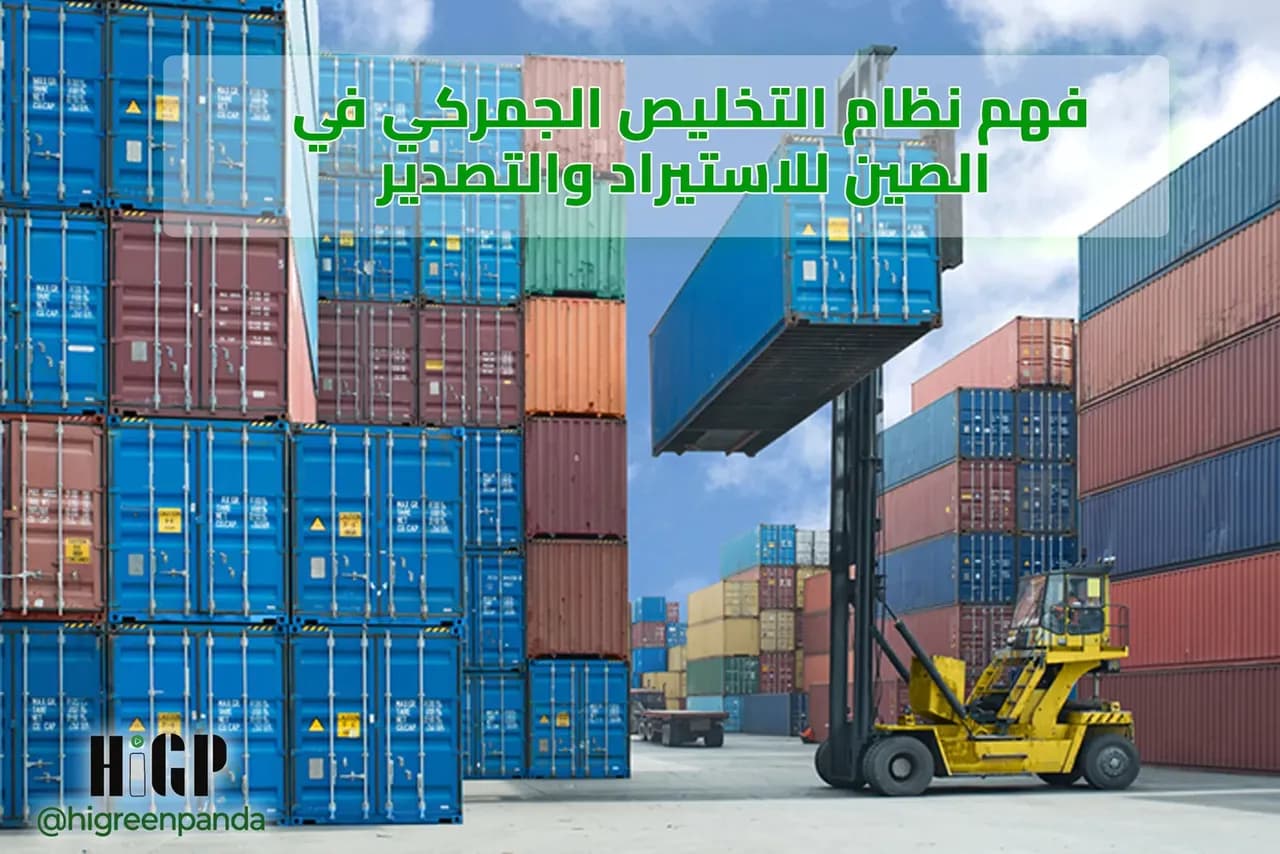
China's customs clearance system is a complex process that requires a precise understanding of regulations and laws to ensure the smooth movement of goods across borders. Whether you are importing from or exporting to China, compliance with customs requirements is crucial to avoid delays, fines, or even confiscation of goods. This article aims to provide a comprehensive overview of this system.
Fundamentals of Customs Clearance in China
The General Administration of Customs of China (GACC) manages all customs activities in the country. Customs aims to:
Collect customs duties and taxes.
Monitor the movement of goods across borders.
Combat smuggling.
Protect national security, public health, and the environment.
The customs clearance process depends on several factors, including the type of goods, their value, country of origin, and country of destination.
Required Documents for Customs Clearance
To successfully complete the customs clearance process, a set of essential documents must be submitted, which may vary slightly depending on the type of shipment:
Commercial Invoice: Contains details of the goods, their value, and terms of sale.
Packing List: Details the contents of each package, its weight, and dimensions.
Bill of Lading (B/L) for sea freight or Air Waybill (AWB) for air freight: The transport document proving ownership of the goods.
Certificate of Origin: Proves the country of origin of the goods, and may be necessary to benefit from free trade agreements.
Sales Contract: Between the seller and the buyer.
Import/Export License: For certain types of restricted goods.
Other Certificates: Such as quality certificates, health certificates, conformity certificates (e.g., CCC for electrical appliances), or inspection certificates (e.g., CIQ) depending on the product type.
Customs Clearance Process (General Steps)
The customs clearance process typically includes the following steps:
- Document Preparation: The exporter or importer accurately prepares all required documents.
- Submission of Customs Declaration: The customs declaration is submitted electronically to Chinese Customs. The declaration must include detailed information about the goods, their value, customs classification (HS Code), and all supporting documents.
- Document Review: Customs reviews the submitted documents to ensure their accuracy and completeness.
- Determination of Customs Duties and Taxes: Based on the goods' classification and value, Customs determines customs duties, Value Added Tax (VAT), and any other consumption taxes.
- Payment: Due fees and taxes are paid.
- Physical Inspection (Optional): Customs may decide to conduct a physical inspection of the goods to ensure they match the information provided in the customs declaration. This inspection can be random or based on risk analysis.
- Customs Release: After completing all procedures and paying fees, Customs releases the goods to allow them to enter or exit China.
Common Challenges and How to Avoid Them
Errors in Documents: Any error or inaccuracy in documents can lead to significant delays or fines. All documents must be reviewed with extreme care.
Incorrect HS Code: Using the wrong HS code can lead to incorrect customs duties or legal problems. The correct classification of the product must be ensured.
Non-Compliance with Regulations: Some products require special certificates or licenses. Failure to obtain them in advance can lead to goods being detained .
Valuation Issues: Customs may disagree with the declared value of the goods, leading to re-evaluation and additional fees.
Communication: Communication with Chinese Customs can be challenging due to language barriers or cultural differences.
HIGREENPANDA's Role in Customs Clearance
HIGREENPANDA provides specialized services to help its clients navigate China's complex customs clearance system, ensuring smooth and efficient import and export operations:
Document Preparation: Assists in preparing and reviewing all required documents for customs clearance to ensure their accuracy and completeness.
Customs Classification: Provides advice on the correct customs classification of products (HS Code) to avoid errors.
Coordination with Customs: Acts as an intermediary between the client and Chinese Customs, tracking shipment status and resolving any issues that may arise.
Compliance with Regulations: Advises on product-specific regulations and requirements, and assists in obtaining necessary licenses and certificates.
Problem Solving: In case of any delays or customs issues, HIGREENPANDA works to find quick and effective solutions to minimize the impact on the supply chain.
Consultations: Offers comprehensive consultations on all aspects of customs clearance, including customs duties, taxes, and trade agreements.
Through its expertise and network of relationships, HIGREENPANDA enables its clients to fully comply with Chinese customs regulations, saving time and money and ensuring goods reach their final destination without obstacles.
HiGreen Panda Marketing