Importing from China
China Customs Clearance: Documents, Steps and Common Mistakes
China customs clearance decides whether your paid-for goods leave the port on time. Learn which documents GACC expects, how a declaration moves to release, and the errors that cause holds and fines.
作者:萨米·哈吉里阅读约需 9 分钟
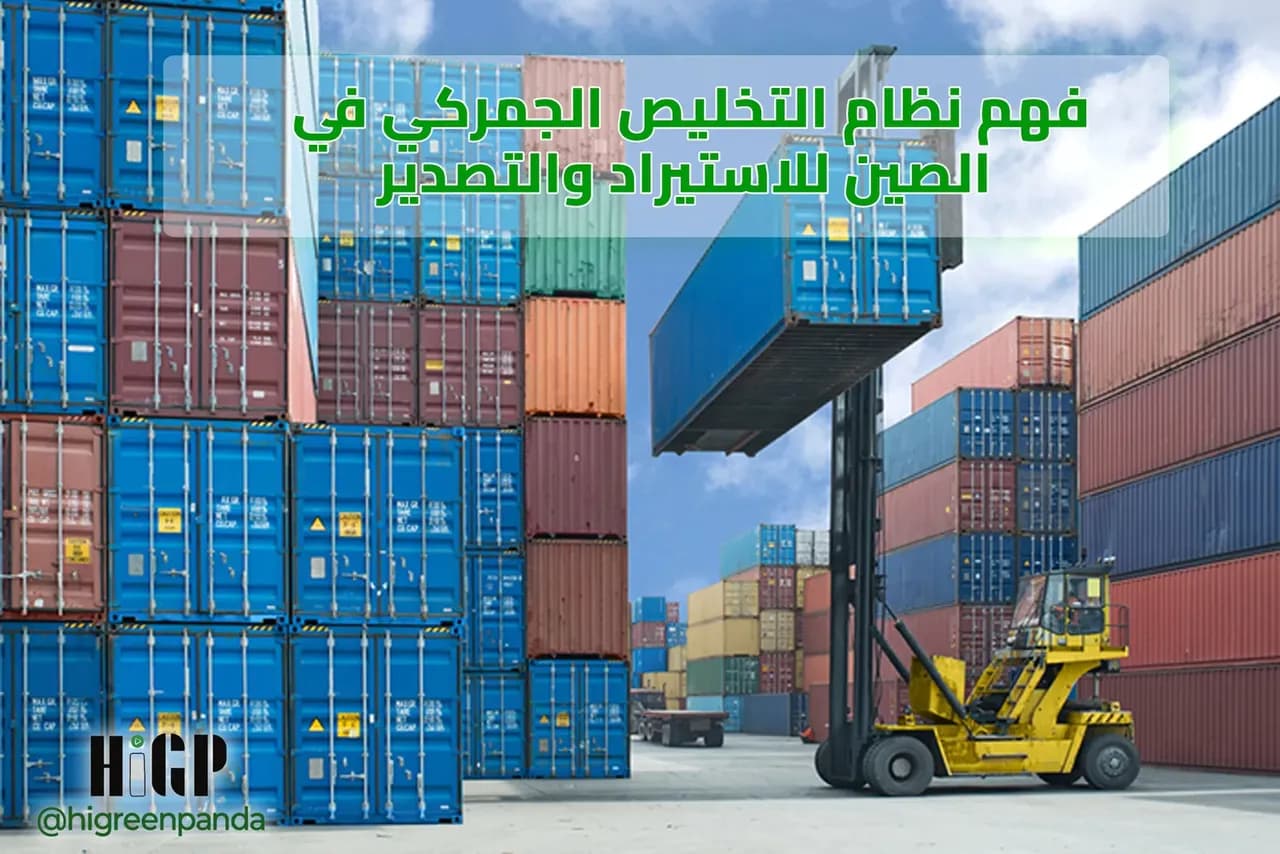
Your goods can be finished, paid for and sitting at the port, and still go nowhere because one document does not match another. China customs clearance is where many first shipments stall, and every day of delay costs you storage fees and lost sales. By the end of this guide you will know which documents Chinese customs expects, how a declaration moves from filing to release, what sets your duties and taxes, and which mistakes cause holds, fines or confiscation.
Who runs customs in China and what it checks
The General Administration of Customs of China (GACC) manages all customs activity in the country. Its job is to:
- collect customs duties and import taxes;
- monitor the movement of goods across the border;
- combat smuggling;
- protect national security, public health and the environment.
Since 2018 GACC has also carried out the inspection and quarantine work that used to belong to a separate body known as CIQ. One authority now checks both the paperwork and, for regulated products, the goods themselves. How your shipment is treated depends on the type of goods, their value, the country of origin and the country of destination.
Export clearance and import clearance are two different jobs
If you buy in China and ship to the Gulf, your goods pass through two clearances: export clearance in China at the port of loading, and import clearance in your own country on arrival. Who files the Chinese export declaration depends on your sales terms. Under FOB or CIF the supplier or its customs broker handles it; under EXW you or your freight forwarder must arrange it. If you have set up a company in China and bring goods into the mainland, you face Chinese import clearance as well, with duty and VAT to pay.
Documents you need for customs clearance
The core set is the same for most shipments, with extra certificates depending on the product:
- Commercial invoice: the goods, their value and the terms of sale.
- Packing list: the contents of each carton, with gross and net weight and dimensions.
- Bill of lading (B/L) for sea freight or air waybill (AWB) for air freight: the transport document, and for sea freight the document of title to the goods.
- Certificate of origin: proves where the goods were made and may be needed to claim a lower duty rate under a trade agreement.
- Sales contract between seller and buyer.
- Import or export licence for restricted goods.
- Other certificates depending on the product: quality, health or conformity certificates and inspection results. For goods sold inside China, listed electrical and electronic products need CCC (China Compulsory Certification).
What your own customs will ask for
Gulf customs authorities normally ask for the commercial invoice, packing list, bill of lading and certificate of origin. Some require the certificate of origin to be issued or certified by CCPIT (the China Council for the Promotion of International Trade) or a chamber of commerce, and some require further attestation. Regulated products need conformity certificates at home too; Saudi Arabia, for example, issues product and shipment certificates through its SABER platform. Rules change, so confirm the current list with your customs broker or your national customs portal before the goods leave China, not after they arrive.
Keep every number identical
Quantities, weights, values, HS codes, consignee name and address must match across the invoice, packing list, bill of lading and customs declaration. A difference of a few kilograms or a misspelt company name is enough to trigger a query. Ask your supplier for draft documents and check them line by line before they submit anything.
How China customs clearance works step by step
- Prepare the documents. The exporter or importer assembles every document above and checks that the figures agree.
- Submit the customs declaration. A registered declarant, usually a licensed customs broker, files the declaration electronically through China's single-window system. It must show a full description of the goods, their value, the HS code and the supporting documents.
- Customs reviews the documents for accuracy and completeness and may ask questions or request extra papers.
- Duties and taxes are assessed. Based on the classification and value, customs calculates the customs duty, value added tax (VAT) and any consumption tax. For imports into China the standard import VAT rate is 13%, with 9% for some categories; consumption tax applies to specific goods such as alcohol, tobacco and some cosmetics.
- Pay what is due. Clearance does not proceed until duties, taxes and fees are paid.
- Physical inspection, if selected. Customs may open the container to confirm the goods match the declaration. Selection is either random or based on risk analysis.
- Release. Once procedures and payments are complete, customs releases the goods to enter or leave China.
How long clearance takes
With complete, consistent documents a routine export declaration usually clears within 1 to 2 working days. A physical inspection typically adds 2 to 5 days, and more if samples go for laboratory testing or the port is congested before Chinese New Year or in the autumn peak. The date that matters most is the vessel's customs cut-off, often 1 to 3 days before sailing. If clearance is not finished by then, your container rolls to the next vessel, which can mean a week's delay and extra port charges.
What sets your duties: HS code and customs value
The HS code
The first 6 digits of an HS code are international, so they should match between the Chinese export declaration and your import declaration at home. China extends the code to 10 digits for its own tariff and statistics. The code decides the duty rate, whether a licence or inspection is needed and, on the export side, the VAT rebate your supplier can claim. A wrong code leads to wrong duties at best and legal problems at worst.
Ask your supplier which code they will declare. Compare the first 6 digits with the classification your own broker uses. If they differ, settle the difference before the goods ship; correcting a declaration after filing takes time and can bring a penalty.
The customs value
Customs may disagree with the value you declare and reassess it, which means extra duty and fees. Declare the real transaction value. Some suppliers offer to put a lower figure on the invoice to reduce your duty at home. Refuse: the export value in China and the import value in your country can be compared, and undervaluation brings back duty plus penalties. Across most GCC states the common external tariff is 5% on most goods, so the saving is small and the risk is not. There are legitimate ways to cut landed cost, set out in our guide on strategies to reduce import costs from China.
Products that need licences or special certificates
Most general merchandise clears without a licence, but several categories need preparation weeks before loading. Food, cosmetics, medical devices, chemicals, products containing lithium batteries and items that could have military use all face extra checks on one side of the border or both. Branded goods are another risk: Chinese customs can hold exports that appear to infringe a trademark recorded with it, so goods carrying a brand you do not own or license can be seized at the port.
Before you confirm an order, run through this checklist, and use the fuller compliance checklist for importing from China for regulated products:
- Is the product on any restricted or licensed list in China or in your country?
- Does it need a conformity certificate at home, and who will apply for it?
- Does it contain batteries, liquids, powders or magnets that need a safety data sheet or a transport test report?
- Does it carry a logo or brand name, and do you have written authorisation to use it?
- Does the supplier hold its own export rights, or will an agent export under another company's name?
- Will the certificate of origin need certification or attestation for your customs?
Common customs clearance mistakes and how to avoid them
Most holds come from a short list of avoidable errors:
- Errors in documents. Any inaccuracy can cause long delays or fines. Review every document with care, and compare them against each other, not only against the order.
- An incorrect HS code. It leads to wrong duties or legal problems. Agree the classification with the supplier and your broker before shipment.
- Missing licences or certificates. Products that need special approvals get detained if the papers are not ready in advance.
- Valuation disputes. Customs may reject the declared value, reassess it and charge more. Keep the contract, invoice and payment records consistent.
- Communication gaps. Queries from Chinese customs come in Chinese, often with short deadlines. Make sure your broker or supplier will answer on your behalf quickly.
- A third-party exporter you did not know about. If the factory lacks export rights, an agent's name appears on the export documents. This is legal, but the invoice, certificate of origin and bill of lading must still agree.
- Goods that do not match the paperwork. Wrong carton counts or missing labels surface at inspection. A pre-shipment quality inspection catches these before the container is sealed.
For the wider picture of what can go wrong between order and delivery, see our guide to risk management strategies when importing from China.
What to do next
If you have an order in production, spend this week on the paperwork rather than waiting for the vessel date:
- Ask your supplier for draft invoice, packing list and the HS code they will declare.
- Send the drafts and the code to your own customs broker and ask what your customs will require, including any conformity or attested certificates.
- Confirm who files the Chinese export declaration under your agreed terms, and get the vessel's customs cut-off date in writing.
- Book the inspection so it happens before the goods are packed into the container.
If you are new to the process, our step-by-step guide to importing from China shows where customs fits in the full journey. HiGreenPanda's team in Shenzhen and Shanghai checks documents, classification and supplier coordination for clients through its full import management service.
本文解答的问题
What documents are needed for customs clearance in China?
The core set is a commercial invoice, packing list, bill of lading or air waybill, certificate of origin and the sales contract. Restricted goods also need an import or export licence, and some products need quality, health or conformity certificates. All figures must match across the documents.
How long does customs clearance take in China?
A routine export declaration with complete documents usually clears within 1 to 2 working days. A physical inspection typically adds 2 to 5 days, and laboratory testing or port congestion can add more. Plan around the vessel's customs cut-off, which is often 1 to 3 days before sailing.
Who handles export customs clearance when I buy from a Chinese supplier?
It depends on your sales terms. Under FOB or CIF the supplier or its customs broker files the export declaration. Under EXW the buyer or the buyer's freight forwarder is responsible for it.
What happens if the HS code is wrong?
A wrong HS code can lead to the wrong duty rate, a missed licence requirement or legal problems, and correcting a filed declaration takes time and can bring a penalty. Agree the code with your supplier and your own broker before shipment, and check that the first 6 digits match on both declarations.
Does Chinese customs physically inspect every shipment?
No. Customs selects shipments for physical inspection either at random or based on risk analysis. Regulated products, first-time exporters and shipments with inconsistent documents are more likely to be checked.
HiGreen Panda Marketing