Importing from China
Top 10 Industrial Cities in China Every Trader Should Know
Which Chinese city makes what, which port serves it, and how to use that knowledge to find the right factory faster. A practical guide to the top 10 industrial cities in China for Gulf and Arab importers.
作者:萨米·哈吉里阅读约需 9 分钟
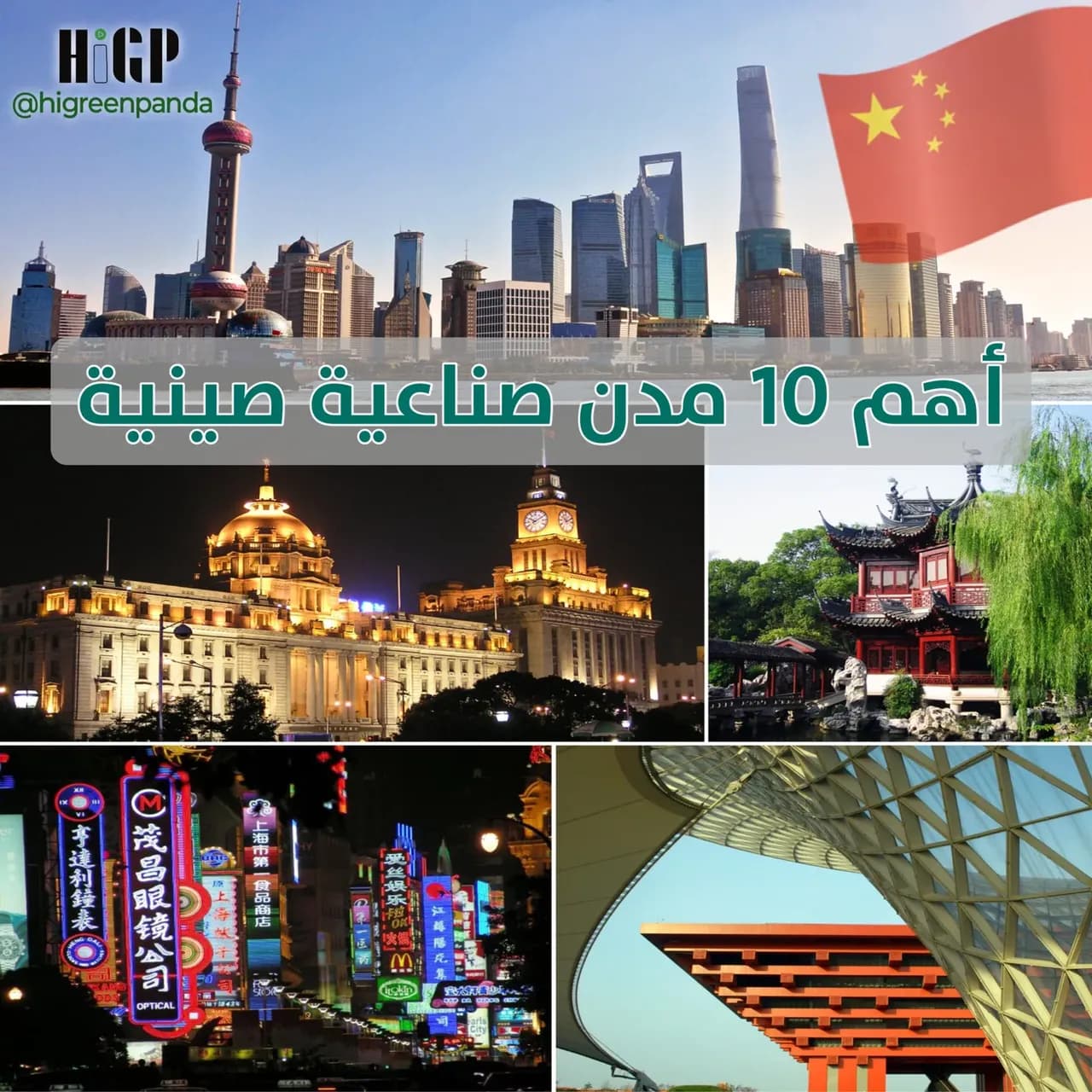
Search for a product online and you will find hundreds of Chinese sellers, many of them traders far from the factory. The quickest way to cut through them is to know where your product is actually made. China's reputation as the world's factory rests on a network of specialised industrial cities in China, each with clusters of factories, suppliers and markets for particular goods. By the end of this guide you will know the 10 cities traders deal with most, what each one makes, which port serves it, and how to use that knowledge to source better.
Why the city matters when you source from China
Chinese manufacturing is organised in clusters. When dozens or hundreds of factories making the same type of product sit in one city or district, component suppliers, packaging makers, testing labs and logistics firms gather around them. For you, that means more choice, faster samples, prices close to factory level and suppliers who understand the product well.
Knowing the cluster also helps you check a supplier's claims. A company that says it manufactures ceramic tiles but is registered in a city with no ceramics industry is probably a trading company. That is not always a problem, but you should know who you are dealing with and what margin sits between you and the factory. Our guide on how to inspect a factory in China shows how to tell the two apart.
The top 10 industrial cities and what they make
1. Shanghai
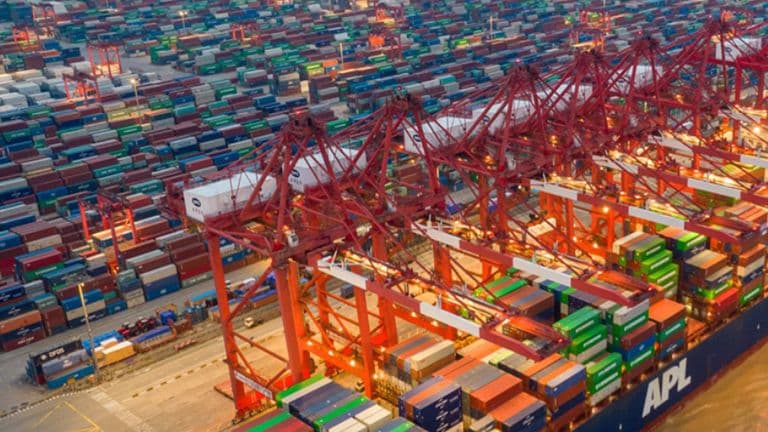
Shanghai is not only a financial centre. It is a major base for heavy industry, chemicals and automobiles, and it is home to the world's busiest container port. For importers, Shanghai is also a convenient gateway to the factories of neighbouring Jiangsu and Zhejiang provinces, and a good city for meetings, trade exhibitions and company set-up.
2. Shenzhen
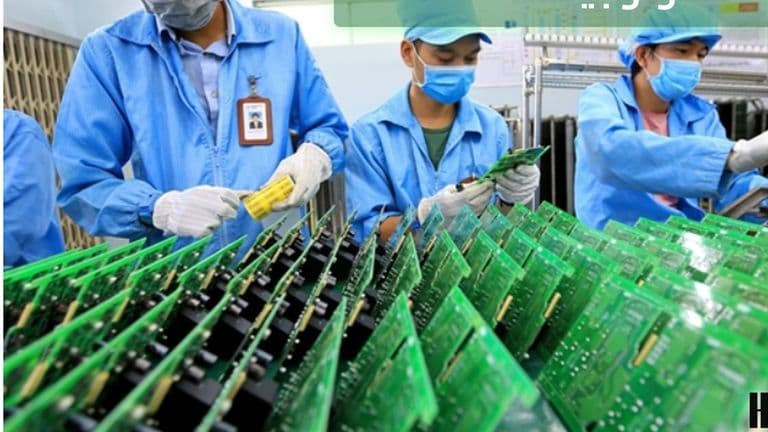
Shenzhen is China's electronics and technology capital, home to many high-tech companies and thousands of electronics factories. Its component markets, contract manufacturers and design houses make it the first stop for consumer electronics, phone accessories, smart devices, LED products and drones. Goods ship through Yantian and Shekou ports.
3. Guangzhou
Guangzhou is a massive commercial and industrial centre known for textiles, apparel, home appliances and consumer electronics, as well as cosmetics and leather goods. It hosts the Canton Fair twice a year and has large wholesale markets for clothing, fabrics and accessories. Nansha port handles much of its export cargo.
4. Ningbo
Ningbo is an important coastal city known for petrochemicals, port industries and machinery manufacturing. Nearby towns also produce small household appliances, moulds and hardware. The Ningbo-Zhoushan port, one of the busiest in the world, is on its doorstep, which keeps inland transport short.
5. Tianjin
Tianjin is northern China's industrial hub, focused on automotive production, petrochemicals and heavy equipment. Its port is the main gateway for northern China, including the Beijing region. If you buy machinery, vehicles or industrial materials from the north, Tianjin is often where they ship from.
6. Suzhou
Suzhou is known for precision electronics, information technology and textiles, including its long-established silk industry. Its industrial parks host many foreign-invested manufacturers with international quality systems. Goods usually ship through Shanghai, about 1 to 2 hours away by road.
7. Chongqing
Chongqing, in south-west China, is a major centre for automobile and motorcycle manufacturing, as well as machinery and equipment, and it assembles large numbers of laptops. Being inland, it relies on Yangtze river barges to Shanghai, rail links to the coast and international rail routes. Allow extra time for transport to the port compared with coastal cities.
8. Hangzhou
Hangzhou is a leading city for e-commerce and technology, and home to Alibaba. It is also known for textiles and machinery. If you plan to sell online or want suppliers experienced with cross-border e-commerce, Hangzhou's ecosystem is worth a look. Exports usually go through Ningbo or Shanghai.
9. Foshan
Foshan, next to Guangzhou, is known for ceramics, furniture and home appliances. Its districts contain large tile production areas and some of China's biggest furniture markets, and several major appliance brands are based there. For Gulf buyers fitting out homes, hotels or projects, Foshan is often the main sourcing destination.
10. Yiwu
Yiwu is not an industrial city in the traditional sense. It is a global hub for small commodities and consumer products, with a vast wholesale market selling toys, household goods, stationery, jewellery, festive items and much more. Many traders start there because they can buy many product lines in small quantities and consolidate them into one container, usually shipped through Ningbo.
Other clusters worth knowing
The top 10 do not cover every product. A few other well-known clusters include Dongguan for furniture, toys and electronics, Zhongshan's Guzhen town for lighting, and Jinjiang in Fujian for footwear and sportswear. Before you commit to a supplier, search for the main production area of your product and check whether the supplier is located there.
Coastal or inland: the trade-offs
Most traders start in the coastal cities because that is where export experience, English-speaking sales teams and short routes to port are concentrated. Inland cities such as Chongqing, and the growing industrial areas of central and western China, can offer lower labour and land costs, and some factories have moved inland for that reason, but the factory price is not the full cost of importing from China.
Weigh the saving against three costs. First, transport: an inland factory may need several extra days and an extra transport leg by rail, river or road to reach the port, which adds cost and one more point where things can go wrong. Second, experience: newer export factories may be less familiar with documentation, labelling and conformity rules for Gulf markets. Third, oversight: visiting and inspecting takes more time when the factory is far from the cities you already travel to.
Spreading orders between two regions can reduce your exposure if one area is hit by power restrictions, floods or a local shutdown. Our article on risk management strategies when importing from China explains how to build that resilience without losing control of quality.
How to use city specialisation to find the right supplier
- Identify the cluster. Find the city or district where most factories for your product are located. Supplier directories, trade fair exhibitor lists and industry associations help.
- Shortlist suppliers located in that cluster. Check the address on each supplier's business licence, not only the address on their website.
- Ask directly whether they are a factory or a trading company. Ask for photos or a video of the production line with the date visible, and compare the licence's business scope with what they claim to make.
- Request samples from 3 to 5 suppliers. Compare quality, packaging and communication, not only price.
- Plan the route to port. Confirm which port the supplier uses and the inland transport time, especially for inland cities such as Chongqing.
- Visit or audit. If the order is significant, visit the factory or arrange an audit before paying the deposit.
- Inspect before shipment. Book a pre-shipment inspection before the balance payment; our article on the importance of quality inspection before shipment explains what it covers.
If you are new to importing, our step-by-step guide to importing from China covers the full process from supplier search to customs clearance.
Planning a sourcing trip across several cities
Many of these cities are close enough to combine in one trip. Guangzhou, Foshan and Shenzhen form one cluster in Guangdong, linked by high-speed rail and metro. Shanghai, Suzhou, Hangzhou, Ningbo and Yiwu form another in the Yangtze River Delta, again connected by high-speed trains taking roughly 1 to 2 hours between most pairs. Tianjin and Chongqing are further away and usually need a flight.
A practical first trip covers one region in 5 to 7 days, timed around a trade fair such as the Canton Fair so you can meet many suppliers in one place and then visit the best of them in their own cities. You will need a business visa, and usually an invitation letter from a Chinese company.
- Business visa and invitation letter arranged in good time.
- Shortlist of suppliers grouped by city, with addresses checked against licences.
- Appointments confirmed in writing, with a local contact number for each.
- Product specifications, target prices and quantities written down to share at meetings.
- An interpreter or local agent for factories where English is limited.
- Payment apps set up, since mobile payment is standard in China.
Common mistakes when choosing a sourcing city
- Buying from a trader in a city with no link to the product and assuming you are dealing with the factory.
- Choosing a supplier far inland on price alone without counting the extra transport time and cost to the port.
- Treating Yiwu as a factory source for every product. It is excellent for small mixed orders, but for large volumes of one product the factory cluster elsewhere is often better.
- Visiting too many cities in one trip and not spending enough time at the factories that matter.
- Skipping relationship-building with good suppliers. Our article on building strong relationships (guanxi) in China explains why it pays off on price, priority and problem-solving.
For more ways to protect your margin once you have the right city and supplier, see our strategies to reduce import costs from China.
What to do next
This week, write down your top three products and find the main production city for each. Check whether your current suppliers are based in those clusters and whether they are factories or traders. Then ask two or three suppliers located in the right cluster for quotes and samples on the same specification. If you want someone on the ground to find, verify and visit factories in these cities for you, HiGreenPanda offers this through its product sourcing service.
本文解答的问题
What are the main industrial cities in China?
The cities traders deal with most are Shanghai, Shenzhen, Guangzhou, Ningbo, Tianjin, Suzhou, Chongqing, Hangzhou, Foshan and Yiwu. Each has its own specialisation, from electronics in Shenzhen to ceramics and furniture in Foshan and small commodities in Yiwu.
Which Chinese city is best for electronics?
Shenzhen is China's electronics and technology capital, with component markets, contract manufacturers and design houses in one place. Suzhou is also strong in precision electronics and information technology, often with foreign-invested manufacturers.
Which city in China is known for furniture?
Foshan in Guangdong is the best-known furniture centre, with some of China's largest furniture markets, and it is also a leading source of ceramics and home appliances. Dongguan is another important furniture cluster.
Is Yiwu a factory city?
Not in the traditional sense. Yiwu is a wholesale hub for small commodities and consumer products, where you can buy many product lines in small quantities and consolidate them into one container. For large volumes of a single product, the factory cluster for that product is often a better source.
How do I know if a Chinese supplier is a real factory?
Check the address and business scope on its business licence, and whether it is located in the known production cluster for the product. Ask for dated photos or video of the production line, and visit or arrange a factory audit before a large order.
HiGreen Panda Marketing