Quality and inspection
Contract Manufacturing in China: Advantages and Disadvantages
What contract manufacturing in China gives you on cost, speed and capacity, where the real risks sit, and the steps, contract terms and checks that protect your product and your money.
作者:萨米·哈吉里阅读约需 8 分钟
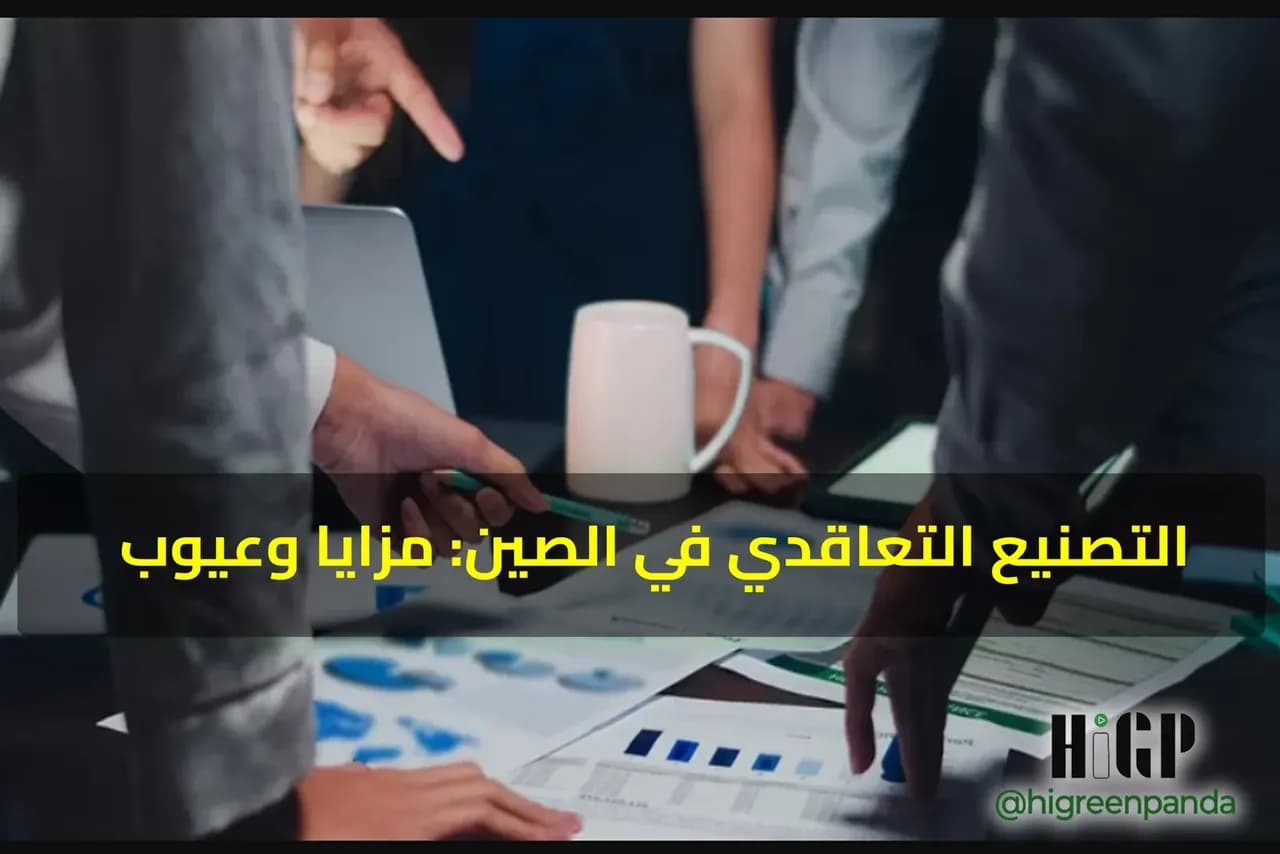
You have a product idea or a best seller you want under your own brand, and making it at home costs too much. Contract manufacturing in China lets you use an existing factory, its machines and its trained workers, while you keep the design, the brand and the customers. By the end of this guide you will know the real advantages and disadvantages, what the process looks like step by step, and which terms and checks keep your product and your money safe.
What contract manufacturing in China means
In contract manufacturing, a Chinese factory produces goods to your specification and puts your brand on them. You do not own the factory or employ its staff. For many years China has been the world's manufacturing centre, and after COVID-19 partially reduced output, many factories became keen to win new clients, including smaller buyers who would once have struggled to get attention.
OEM, ODM and private label
- OEM (original equipment manufacturing): you supply the design, drawings and specification; the factory builds it. You own the design, but you pay for development and tooling.
- ODM (original design manufacturing): the factory already has a design and you customise it, for example colour, logo, packaging or small feature changes. Faster and lower upfront cost, but competitors may sell something very similar.
- Private label: you buy a standard product and add your brand and packaging. The lowest entry cost, with the least control over the product itself.
Most Gulf importers start with ODM or private label to test demand, then move to OEM once a product sells steadily.
The advantages of manufacturing in China
Lower unit costs
Cost reduction is the most obvious advantage. The better your product and price, the more units you sell. Local production may look attractive in theory, but it carries rising overheads that a Chinese factory has already spread across many clients: rent, machinery, energy contracts and a local supply base for components and packaging within a few kilometres.
Lower labour costs without hiring
You gain skilled workers without having to search, hire and train them. Wages are lower than in most Gulf markets for comparable factory work, and you avoid visas, housing, insurance and end-of-service costs that come with building your own workforce.
Fast production at scale
Chinese factories produce for companies worldwide, and whole industrial clusters are organised around speed: electronics in Shenzhen and Dongguan, furniture in Foshan, small commodities in Yiwu, textiles around Guangzhou and Shaoxing. If you need a large quantity in a short time, a well-chosen factory can deliver. A typical order runs 1 to 4 weeks for samples and 30 to 60 days for mass production, depending on complexity and season.
Warranty and after-sales terms
Many manufacturers offer a warranty for a set period, which gives reassurance when ordering from the other side of the world. In practice, a warranty usually means replacement parts, a credit against your next order or a partial refund. Write the period, the defect definition and the remedy into your contract; a verbal promise is hard to enforce across borders.
Service for smaller buyers
Many Chinese suppliers place a strong emphasis on client service. Even a small company can get the same responsiveness as a large global brand: quick replies on WeChat, sample revisions within days, and flexibility on packaging. That attention is strongest when the factory sees you as a long-term customer.
Protection through a reliable local partner
Working through a reputable company on the ground helps you find reliable manufacturers that work to proper standards, and agents who bridge the language and cultural gaps. This is where most fraud is prevented: verifying the business licence, visiting the factory and checking the goods before you pay.
The disadvantages and risks
The advantages are real, but so are the risks. Each one below has a practical control.
- Minimum order quantities (MOQ): factories often ask for 500 to 5,000 units per model or colour. Negotiate a lower first order at a higher unit price, or combine colours.
- Tooling costs: custom moulds for plastic or metal parts commonly cost from about USD 1,500 to more than USD 15,000, depending on size and number of cavities. Your contract should state that you own the moulds.
- Quality drift: the first batch matches the sample, later batches slip. Keep a signed golden sample and inspect every order.
- Intellectual property: designs can be copied or sold to others. Register your trademark in China early and use a China-specific NNN (non-disclosure, non-use, non-circumvention) agreement.
- Communication and distance: specifications get lost in translation, and you cannot drop by the factory. Use drawings, photos and written specifications in both English and Chinese.
- Payment risk: a typical term is 30% deposit and 70% before shipment. Pay only to the company account named on the business licence, never a personal account.
- Lead time and shipping: add sea freight of 15 to 25 days to Jebel Ali, plus customs, so plan 2 to 4 months from order to shelf.
Chinese product standards have risen sharply in the last decade, as our article on how Chinese product standards have changed explains, but the gap between the best and the weakest factories is still wide. Your controls decide which one you end up with. The same holds for vehicles, as our guide to importing cars from China shows.
How to set up contract manufacturing step by step
- Write a product specification: materials, dimensions and tolerances, colours (with Pantone codes), packaging, labelling in Arabic and English, and the certifications your market requires.
- Shortlist 5 to 10 factories in the right industrial cluster through B2B platforms, trade fairs or a sourcing agent, then check each business licence on the national enterprise credit system.
- Send the same request for quotation to each and compare unit price, MOQ, tooling cost, sample cost and lead time.
- Sign an NNN agreement in Chinese, enforceable in China, before sharing drawings for an OEM product.
- Order samples from your top 2 or 3, test them against your specification, and approve one as the signed golden sample.
- Sign a manufacturing agreement covering price, quality standard, inspection rights, delivery date, late penalties, mould ownership, warranty and payment terms.
- Pay the deposit, then book a pre-production check of materials and a during-production inspection for larger orders.
- Run a pre-shipment inspection before paying the balance, then book freight and customs clearance.
Quality control that actually works
A factory's own quality team works for the factory. Independent inspection is what protects you. A third-party inspector typically costs around USD 250 to 400 per man-day in the main manufacturing regions and checks a statistical sample under AQL standards: product, packaging, labels, carton marks and function tests. Our guide to ensuring product quality when importing from China covers the inspection stages in detail.
Before your first order, check these points:
- The factory makes the product itself and is not a trading company presenting as a factory, unless you knowingly accept that.
- Export experience to the Gulf or to markets with similar standards.
- Test reports for materials, especially for children's products, cosmetics, food-contact items and electronics.
- Capacity to meet your volume without subcontracting to unknown workshops.
- Labels, warnings and instructions in Arabic where your market requires them.
- Certificates required at destination, such as Saudi SABER certificates or UAE conformity marks for regulated products; confirm the current rules with the authority or your customs broker.
- A clear AQL level and defect list agreed in writing before production starts.
Regulated sectors carry extra requirements. If you plan to manufacture health products, read about strict standards in China's medical devices industry before you approach factories.
Common mistakes with contract manufacturers
- Choosing the lowest quote without asking why it is lower; it is often thinner material or a skipped process.
- Sharing full drawings before signing an NNN agreement and registering the trademark in China.
- Approving production from photos instead of a physical golden sample.
- Paying the full amount upfront, or paying the balance before inspection.
- Leaving mould ownership out of the contract, so the factory keeps the tooling if you move.
- Ordering in November or December for delivery after Chinese New Year, when factories close for 2 to 4 weeks and restart slowly.
- Changing the specification by WeChat message mid-production without a written, signed revision.
What to do next
This week, write a one-page specification for the product you want made, including target unit price, order quantity and the certifications your market needs. Then shortlist five factories in the right cluster and send them the same request for quotation. File your trademark application in China at the same time; it takes months, and it protects you before you share your design. If you want support on the ground, HiGreenPanda's manufacturing service finds and vets factories, manages samples and inspects production from Shenzhen and Shanghai. For a wider view of which sectors offer the best terms, read about opportunities in China's manufacturing sector.
本文解答的问题
What is contract manufacturing in China?
It is an arrangement where a Chinese factory produces goods to your specification and under your brand, using its own equipment and workers. You keep the design, brand and customers without owning a factory. It is often called OEM when you supply the design and ODM when you adapt the factory's design.
What are the disadvantages of manufacturing in China?
The main risks are high minimum order quantities, tooling costs, quality drift between batches, copying of your design, communication gaps and payment fraud. Each can be controlled with a written contract, an NNN agreement, a trademark registered in China, a golden sample and independent inspection before paying the balance.
What is the difference between OEM and ODM?
With OEM, you provide the design and specification and the factory builds it, so you own the design but pay for development and moulds. With ODM, you customise a design the factory already has, which is faster and costs less upfront. ODM products may look similar to what competitors sell.
How long does contract manufacturing in China take?
Samples usually take 1 to 4 weeks and mass production 30 to 60 days, depending on complexity and season. Add 15 to 25 days of sea freight to the Gulf and time for customs. Plan 2 to 4 months from order to shelf, and more around Chinese New Year.
How do I protect my product design in China?
Register your trademark in China early, because China follows a first-to-file system. Sign an NNN agreement written in Chinese and enforceable in Chinese courts before sharing drawings. Make sure your contract states that you own any moulds and tooling you pay for.
HiGreen Panda Marketing