Industries and sectors
Manufacturing in China: Opportunities for Foreign Companies
China is still the world's factory, but costs, rules and competition have changed. This guide explains where the opportunities are for foreign companies, how to choose a route and how to get from sample to shipment.
作者:萨米·哈吉里阅读约需 7 分钟
You want your own product made, whether private-label furniture for Riyadh showrooms or components for a plant in Oman, and China is the obvious place to look. What is less obvious is which route suits you, how costs have changed, and how to avoid the factory that promises everything and delivers late. Manufacturing in China still offers the widest choice of suppliers anywhere. By the end of this guide you will know where the opportunities are, how to choose between contract manufacturing and your own operation, the steps from sample to shipment and the risks to manage.
Why China is still the world's factory
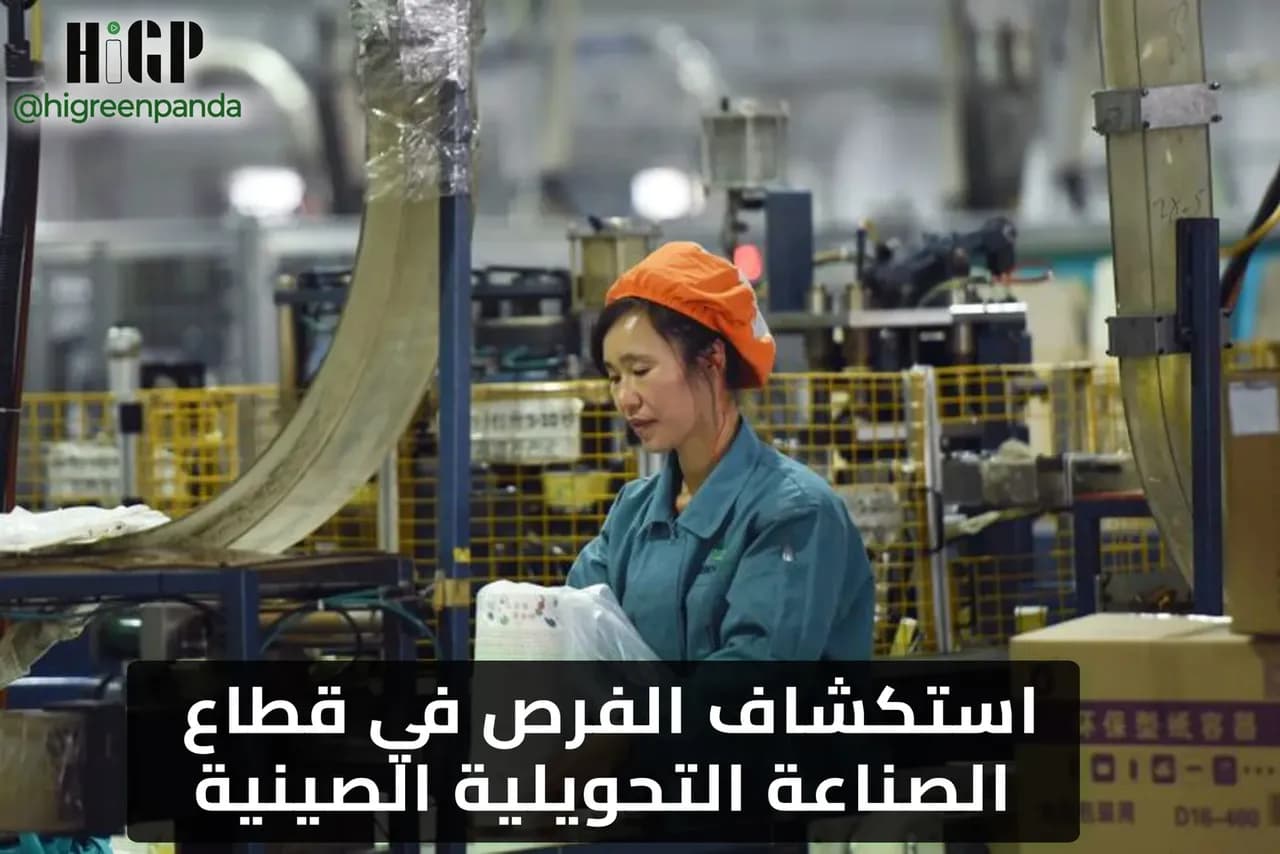
China is known as the world's factory, and its manufacturing sector is the largest and most diverse in the world. It is the backbone of the Chinese economy and contributes a large share of GDP. Despite global economic pressures and shifts in supply chains, five features keep it ahead:
- Production capacity: China makes almost everything, from electronics and textiles to machinery and heavy equipment, at any volume.
- Integrated supply chains: raw materials, components, packaging and moulds are often available within the same city, which shortens lead times.
- Innovation and technology: factories are investing in robotics, artificial intelligence and smart manufacturing.
- Skilled workforce: a large, experienced workforce is backed by capable engineers and researchers.
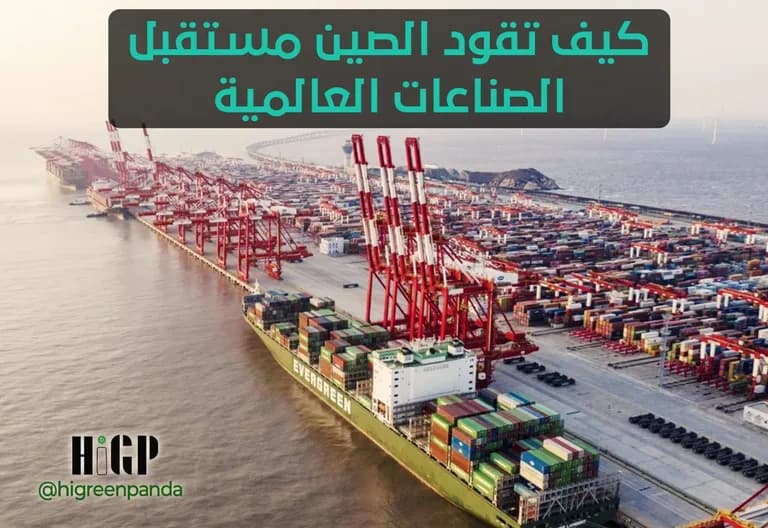
- Infrastructure: ports, rail and roads move goods efficiently from factory to ship.
Production is organised in clusters, so knowing where your product is made saves weeks. Shenzhen and Dongguan are known for electronics, Foshan for furniture, Yiwu for small commodities, Shaoxing for textiles and Yongkang for hardware and tools.
Five opportunities for foreign companies
Manufacturing for global markets
China remains attractive for companies that want products made in large quantities at competitive cost for export. It offers advantages in cost, efficiency and access to extensive supply chains. For Gulf buyers, trade tensions between China and the United States can also mean factories are keener to win customers in other markets, which strengthens your negotiating position.
Manufacturing for the Chinese domestic market
China's middle class is growing and so is its purchasing power, which makes the domestic market a primary target for many companies. Foreign companies can set up factories in China to meet local demand, cutting shipping costs and customs duties on goods that would otherwise be imported.
High-value-added industries
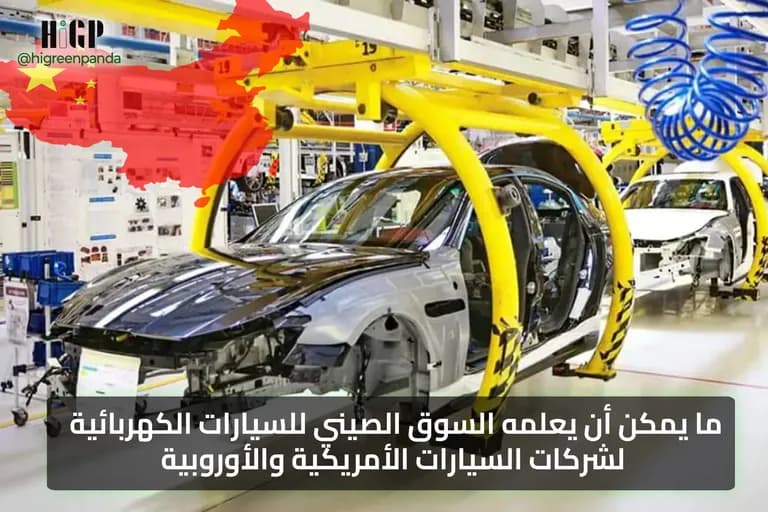
China is encouraging a shift towards high-value-added and technologically advanced industries, such as electric vehicles, renewable energy, pharmaceuticals and biotechnology. These sectors offer significant investment opportunities. Our guide to investment opportunities in China's technology sector covers the technology side in more depth.
Partnerships and technology cooperation
Foreign companies can partner with Chinese manufacturers to use their production expertise, market access and research capabilities. These partnerships are an effective way to exchange technology and develop new products, provided ownership of designs and moulds is agreed in writing from the start.
Sourcing components and raw materials
For companies manufacturing outside China, including in the Gulf's growing industrial zones, China remains a major source of components and raw materials at competitive prices and acceptable quality. Its supply chains let you obtain the inputs your own production needs without holding months of stock.
How to choose your manufacturing route
Most foreign companies do not need their own factory. Match the route to your volume and how much control you need.
- OEM, or contract manufacturing: the factory makes your design to your specification. Best when you own the design and want control of quality. Contract manufacturing in China sets out the advantages and disadvantages.
- ODM, or private label: you choose from the factory's existing designs and add your brand. Fastest and lowest in tooling cost, but competitors can buy the same product.
- Joint venture or partnership: a Chinese partner runs production while you bring the market or technology. Suits long-term, higher-volume plans.
- Your own factory: a wholly foreign-owned company with its own production. Suits large, steady volumes and products for the Chinese domestic market.
Minimum order quantities (MOQ) vary widely: a few hundred units for simple private-label goods, thousands for custom moulded parts. What moves the MOQ is the material, whether new tooling is needed and how busy the factory is. Payment terms of 30% deposit and 70% before shipment are common for new buyers.
What a factory audit should cover
An audit tells you whether the supplier is a real factory, whether it can make your product at your volume and whether it will still be operating when your order is due. Visit in person or send someone who can read Chinese documents. Check at least the following:
- The business licence names the company you will pay, and its scope covers manufacturing, not only trading.
- Production lines, machines and headcount match the capacity the sales team quoted.
- Written quality procedures exist, with incoming material checks and records of past inspections.
- Environmental permits and any product certifications your market needs are current.
- Current customers, especially other exporters to the Gulf, can be contacted for a reference.
- Warehouse and packing areas are clean, dry and organised, since damage often happens after production.
Steps from idea to shipment
- Write a specification: materials, dimensions, tolerances, colours, packaging, labelling and the standards your market requires, such as SASO rules in Saudi Arabia or the ECAS scheme in the UAE.
- Shortlist 5 to 10 factories in the right cluster and verify their business licences and export records.
- Audit the 2 or 3 strongest candidates: production capacity, quality systems and regulatory compliance.
- Sign an NNN agreement (non-disclosure, non-use, non-circumvention) under Chinese law before sending your designs.
- Order samples, test them and approve a golden sample that both sides sign and keep.
- Agree the contract: price, MOQ, lead time, payment terms, penalties for delay and who owns the moulds.
- Monitor production and book inspections before production, during production and before shipment through a quality inspection provider.
- Arrange freight and documents. Sea transit from southern and eastern Chinese ports to Gulf ports typically takes 2 to 4 weeks, depending on port and routing; shipping and freight support can coordinate the move to your final destination.
Challenges and how to manage them
Rising labour costs
Labour costs in China have risen, reducing the cost advantage in some labour-intensive industries. Automation offsets part of this, and the effect differs by product. See how China's changing workforce affects manufacturing costs and wages.
Environmental regulations
China is tightening environmental rules, and factories must meet strict standards. Non-compliant plants can be ordered to stop production, which can halt your order without warning. Ask for environmental permits during the audit; how to choose environmentally friendly suppliers explains what to look for.
Intellectual property, competition and trade tensions
Intellectual property protection has improved but remains a challenge, so register trademarks and designs in China and keep mould ownership in your name. Local companies are becoming more capable and may copy successful products. Trade tensions and protectionist policies can also affect supply chains and market access, so keep a second qualified supplier for your most important products.
Common mistakes foreign buyers make
- Choosing a factory on price alone without an audit, then discovering it is a trading company subcontracting the work.
- Sending full designs before signing an NNN agreement enforceable in China.
- Paying for moulds without a written clause stating that you own them.
- Skipping the pre-shipment inspection and finding defects only when the container reaches Jebel Ali or Jeddah.
- Ignoring Gulf conformity requirements until the goods are held at customs.
- Placing a large first order instead of a trial run.
- Relying on one supplier for a product that drives most of your revenue.
What to do this week
Choose the one product you most want made and write a one-page specification, including the conformity standard your home market requires. Identify the cluster where it is made and list 10 candidate factories. Check each business licence and ask each for its MOQ, sample cost and lead time. Prepare an NNN agreement before you share any drawings. HiGreenPanda can identify and audit factories, manage production and coordinate shipping on the ground through its manufacturing service.
本文解答的问题
Is manufacturing in China still worth it?
For most products, yes. China still has the largest production capacity, integrated supply chains and efficient ports. Labour costs have risen and environmental rules are stricter, so the advantage is smaller for some labour-intensive goods, but the range of suppliers and speed remain hard to match.
What is the difference between OEM and ODM manufacturing in China?
With OEM, or contract manufacturing, the factory makes your own design to your specification. With ODM, or private label, you choose an existing factory design and add your brand. ODM is faster and needs less tooling, but competitors can sell the same product.
How do I protect my product design when manufacturing in China?
Register your trademarks and designs in China, and sign an NNN agreement (non-disclosure, non-use, non-circumvention) under Chinese law before sharing drawings. State in the contract that you own the moulds. Work with factories that have passed an audit rather than unknown suppliers.
What is a typical MOQ for Chinese factories?
It varies with the product. Simple private-label goods can start at a few hundred units, while custom moulded parts often need thousands. Material, new tooling and how busy the factory is all affect the MOQ, and it is often negotiable for a trial order.
How long does shipping from China to the Gulf take?
Sea transit from southern and eastern Chinese ports to Gulf ports such as Jebel Ali or Jeddah typically takes 2 to 4 weeks, depending on port and routing. Add production time, inspection and customs clearance when planning your delivery date.
HiGreen Panda Marketing