Industries and sectors
Smart Manufacturing in China: How Robots and AI Change Sourcing
China has built more than 30,000 basic-level smart factories and 230 at its top tier. Here is what that means for quality, lead times and how you choose suppliers as an importer.
作者:萨米·哈吉里阅读约需 9 分钟
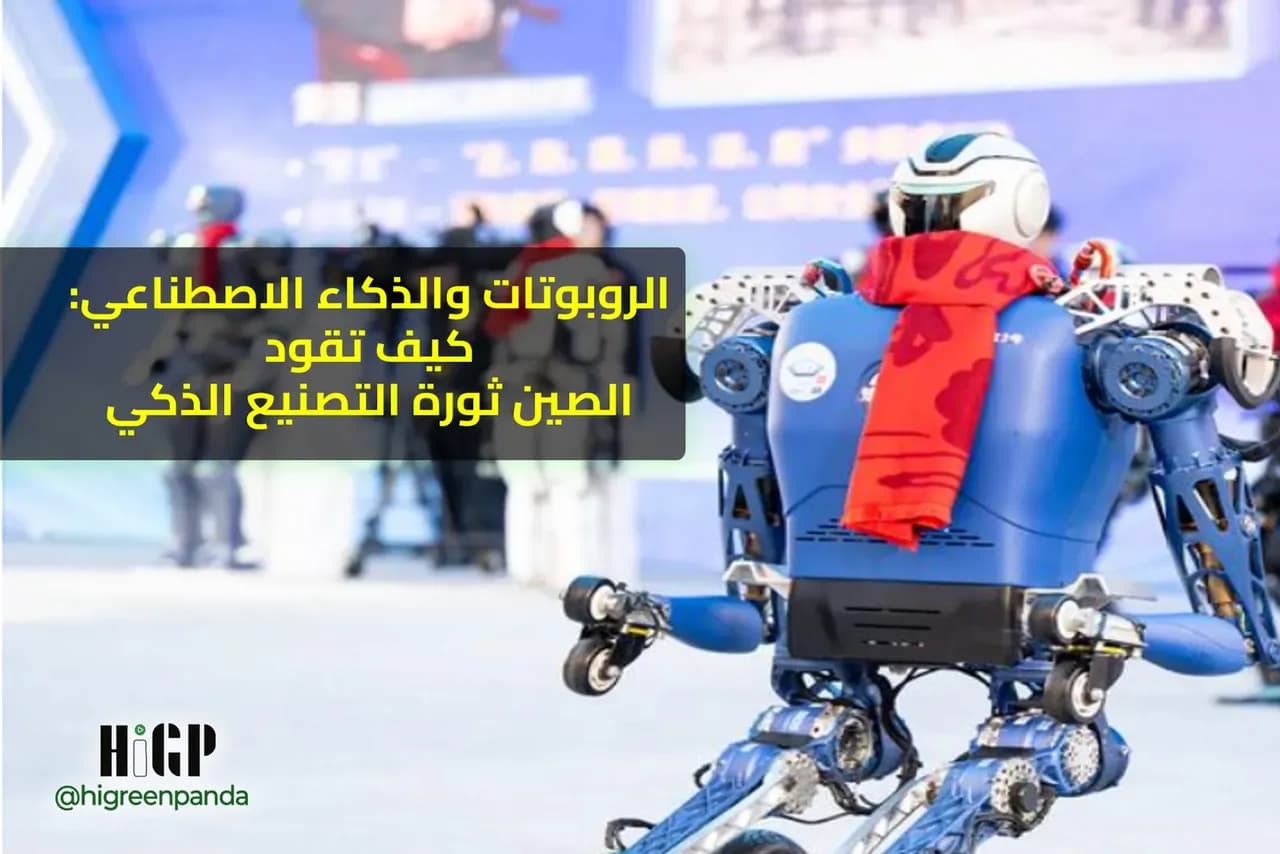
You hear that Chinese factories are full of robots, yet the batch you received last month still had loose stitching and the wrong carton marks. Both things can be true, because automation is spread very unevenly across China's industry. Smart manufacturing in China now runs on a formal national grading system, and by the end of this guide you will know what the levels mean, what results the best factories report, and how to use that knowledge when you choose and manage suppliers.
How far China's smart factory drive has gone
China has created more than 30,000 basic-level smart factories as part of a national campaign to speed up industrial digitisation. Above them sit about 1,200 advanced-level smart factories and 230 at the next tier, often translated as super level or excellence level. These 230 top-tier plants are spread across all 31 provincial-level regions and cover more than 80% of the country's manufacturing sectors. Together they have put roughly 2,000 advanced smart manufacturing scenarios into use, such as automated inspection, digital production scheduling and predictive maintenance.
The programme is run by the Ministry of Industry and Information Technology (MIIT). China is also the largest market for industrial robots in the world; the International Federation of Robotics has reported for several years that more than half of all new industrial robots are installed there. If you want to go deeper into the technology itself, read our article on the role of artificial intelligence in improving Chinese manufacturing efficiency.
The push has clear reasons. Factory wages have risen for years, the working-age population is shrinking, and manufacturers in Vietnam, India and elsewhere compete on labour cost. Automation lets Chinese plants keep their edge on speed, range and consistency rather than on low wages alone. For you as a buyer, that shift explains why well-run Chinese factories increasingly sell on reliability and lead time, and why the gap between the best and the weakest suppliers is widening.
The four levels of smart factory
MIIT grades smart factories in four steps. Each level builds on the one below, and a factory has to show working systems, not plans, to be recognised.
Basic level
Basic digitisation with smart manufacturing equipment. Machines are networked, production data is recorded, and the factory has started to replace paper records with software. This is where most of the 30,000 factories sit.
Advanced level
Deeper integration of smart technologies. Planning, production, quality and warehousing systems share data, so a problem on the line shows up in real time rather than at the end of the shift.
Super level
Comprehensive smart scenarios across the whole plant. These factories use data and AI to schedule production, inspect products with machine vision and adjust processes automatically. This is the tier of 230 factories described above.
Leading level
Still under development. It is meant for plants using the latest smart technologies and setting the pace for their industry. MIIT plans to expand the promotion of super-level factories while it prepares to introduce leading-level cultivation.
What the top smart factories report
Performance data from the super-level plants shows what full automation and data use can deliver:
- Product development cycles 28.4% shorter.
- Production efficiency 22.3% higher.
- Defect rates 50.2% lower.
- Carbon emissions 20.4% lower.
Treat these as averages from the best 230 plants, not as a promise from any supplier you meet. They do show where the gains come from: faster sampling, steadier output and fewer faulty units. The lower emissions figure also matters if your buyers ask about environmental standards; our guide on choosing environmentally friendly suppliers in China covers how to check those claims.
What smart manufacturing means for your orders
For an importer in Riyadh, Dubai or Sana'a, the value of a smart factory is practical. It usually shows up in five places.
More consistent quality
Machine vision and inline sensors catch defects on the line instead of at final inspection. That means fewer surprises when goods land, and a second order that matches the first. You still need your own pre-shipment inspection, but you should expect a lower failure rate.
Faster sampling and development
Digital design tools and simulation shorten the time between your drawing and a working sample. A development cycle that is about a quarter shorter can move your launch forward by weeks on a new product.
Better tracking and visibility
Factories with connected systems can often tell you exactly where your order stands: materials received, percentage produced, units passed. Ask for this. It makes planning shipping and customs clearance at home much easier.
Custom and mixed orders
Digital scheduling lets some plants switch between product variants with less downtime. That can make private-label packaging, colour variants or mixed containers easier to arrange. Ask the factory how long a changeover takes and whether it can combine several variants in one production run. If you are weighing whether to have goods made to your own design, our article on contract manufacturing in China sets out the advantages and disadvantages.
Price and minimum order quantity
Automation lowers labour cost per unit but raises the investment in machinery. Highly automated plants often prefer long runs and may set a higher minimum order quantity (MOQ). If your volumes are small, a well-run semi-automated factory may suit you better. The effect of rising wages on this choice is explained in how China's changing workforce affects manufacturing costs.
How to check a supplier's smart manufacturing claims
Many suppliers say they are automated. Fewer can show it. Use these steps before you place a large order.
- Ask whether the factory holds a recognised smart factory level and in which year it was recognised. Ask for the certificate or the published list from the provincial industry department or MIIT, and check the company name matches the business licence.
- Request a video walk-through of the production line, filmed on the day you ask, showing the machines running and the quality control station.
- Ask what system tracks production and quality, and whether you can receive progress reports or data during your order.
- Ask for the defect rate on a comparable product over the last 6 to 12 months and how it is measured.
- Confirm whether your product runs on the automated line or on a separate manual line. Some factories automate one product family and assemble others by hand.
- Book a factory audit or visit before the first large order, and a pre-shipment inspection on every order.
Recognition as a smart factory is a good sign, not a replacement for your own checks. Automated lines can repeat a wrong setting just as consistently as a right one.
Buying robots and automation equipment from China
Some readers want more than finished goods. Gulf governments are pushing local manufacturing, and Chinese makers of industrial robots, conveyors, packaging lines and CNC machines are strong suppliers for new plants in the region. The same checks apply, with a few additions.
- Confirm the voltage, frequency and plug standards for your country before the machine is built.
- Agree who installs and commissions the equipment, how many days of on-site training are included, and who pays engineers' travel and visas.
- Get the spare parts list, recommended stock and delivery time for parts in writing.
- Ask for manuals and control software in English or Arabic.
- Check the warranty period and whether it starts at shipment or at commissioning.
- Check the conformity and import rules for machinery in your country with the standards authority before you pay the deposit.
Plan logistics early. Large machines are often crated and may need a flat-rack or open-top container rather than a standard 20ft or 40ft box, which changes freight cost and port handling. Allow time for factory acceptance testing in China before shipment: run the machine with your own materials, record the results on video and sign off only when it meets the agreed output. Link the final payment to that test and to successful commissioning at your site.
For the wider investment picture, see investment opportunities in China's technology sector.
Common mistakes importers make
- Assuming every Chinese factory is highly automated because the national figures are large. Tens of thousands of factories are still at the basic level or below.
- Skipping inspection because a supplier says it has robots on the line.
- Taking the 50.2% defect reduction as a figure that applies to your supplier. It is an average across the top-tier plants.
- Choosing a highly automated plant for a small, frequently changing order, then struggling with high MOQs and slow changeovers.
- Buying automation equipment without agreeing installation, training and spare parts in the contract.
- Ignoring changeover time. A factory that runs one product very efficiently may charge more or delay your order if it has to reset the line for a short run.
- Accepting a certificate or factory photo without checking the company name against the business licence and the published list.
What to do this week
List your three most important suppliers and send each one the questions from the checklist above: smart factory level, production tracking, defect rate and which line your product runs on. Compare the answers with the quality you actually received on your last two orders. Where the answers are weak, request a live video tour and schedule an audit before your next large order. If you want help finding and vetting factories that match your volume and quality needs, HiGreenPanda offers product sourcing from its offices in Shenzhen and Shanghai.
本文解答的问题
How many smart factories does China have?
China has created more than 30,000 basic-level smart factories, about 1,200 advanced-level factories and 230 super-level factories. The 230 top-tier plants are spread across all 31 provincial-level regions and cover more than 80% of manufacturing sectors.
What are the levels of smart factories in China?
The Ministry of Industry and Information Technology uses four levels: basic, advanced, super and leading. The leading level is still being developed and is meant for plants using the latest smart technologies.
Do smart factories in China produce better quality?
The top 230 plants report defect rates 50.2% lower and efficiency 22.3% higher. Individual suppliers vary, so you should still check samples, audit the factory and inspect goods before shipment.
Is China the world leader in industrial robots?
China is the largest market for industrial robots, and the International Federation of Robotics has reported that more than half of new industrial robots are installed there. That scale does not mean every factory is automated, so check each supplier.
How can I tell if a Chinese supplier is really automated?
Ask for its recognised smart factory level and the certificate, a live video tour of the line, and its defect rate over the last 6 to 12 months. Confirm your product runs on the automated line, and book an audit before large orders.
HiGreen Panda Marketing